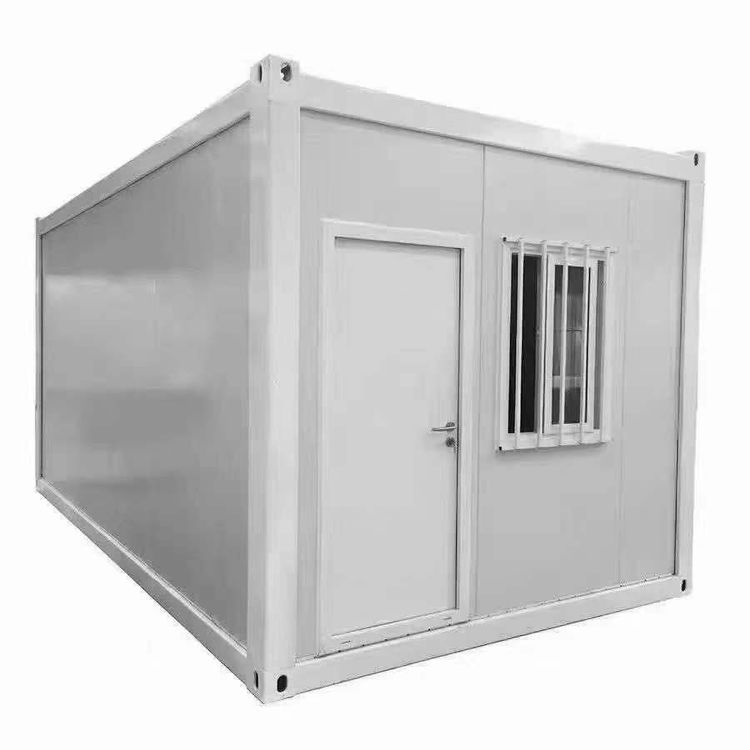
Are Rural Mobile Toilets Easy to Use?
Overall, rural mobile toilets are relatively easy to use and offer multiple advantages, but attention should also be paid to maintenance and management.

Outstanding Convenience and Adaptability
Rural mobile toilets are easy to move and can be quickly installed without complex infrastructure projects. Whether it's for temporary events, construction sites, or remote areas where sanitation facilities are insufficient or temporarily unavailable, they can be rapidly deployed to meet basic sanitation needs in different environments. For example, portable mobile restrooms are lightweight and easy to carry, suitable for field operations or temporary gatherings; trailer-mounted mobile restrooms can be moved by vehicle traction, making them suitable for construction sites or large-scale events.
Diverse Types
- Portable Toilets: Made of high-strength plastic materials and equipped with detachable waste tanks, they are suitable for temporary use or placement in elderly people's rooms.
- Biodegradable Types: By adding microbial decomposers to treat waste, the resulting organic fertilizer can be directly used in vegetable gardens, achieving resource reuse.
- Waterless Flush Types: Using special sealing structures and combined with adsorbent materials, they prevent odor diffusion and save water resources.
- Solar-Powered Mobile Restrooms: Utilizing solar technology for power supply or water heating, they integrate photovoltaic panels to operate lighting or ventilation equipment, reducing reliance on traditional energy sources and being suitable for remote or off-grid areas.
High Cost-Effectiveness
The price of ordinary rural household mobile toilets ranges from 300 to 800 yuan, with relatively low renovation costs and simple post-maintenance. Using mobile toilets for rural toilet renovations offers the advantage of high cost-effectiveness, saving money for rural households.
Good Sanitation and Environmental Protection Effects
They can effectively block the breeding of mosquitoes and flies, significantly improving sanitation standards and reducing the risk of groundwater pollution from traditional dry toilets. The treated waste as fertilizer is safer and more hygienic. Households using mobile toilets can see a reduction in mosquito density around them by about 60%, having a significant effect on improving the quality of the living environment. At the same time, their design often takes sustainability into account, such as using recyclable materials or water-saving technologies to reduce environmental impact.
No Site Restrictions
No excavation of septic tanks is required during installation, making them particularly suitable for households with small homestead areas.
However, the maintenance and management of rural mobile toilets are crucial for ensuring their long-term use. Regular cleaning and inspections are needed to prevent malfunctions and sanitation issues. For some complex types, professional maintenance personnel may be required. When purchasing rural household mobile toilets, factors such as the number of family members, frequency of use, and climatic conditions should also be considered.