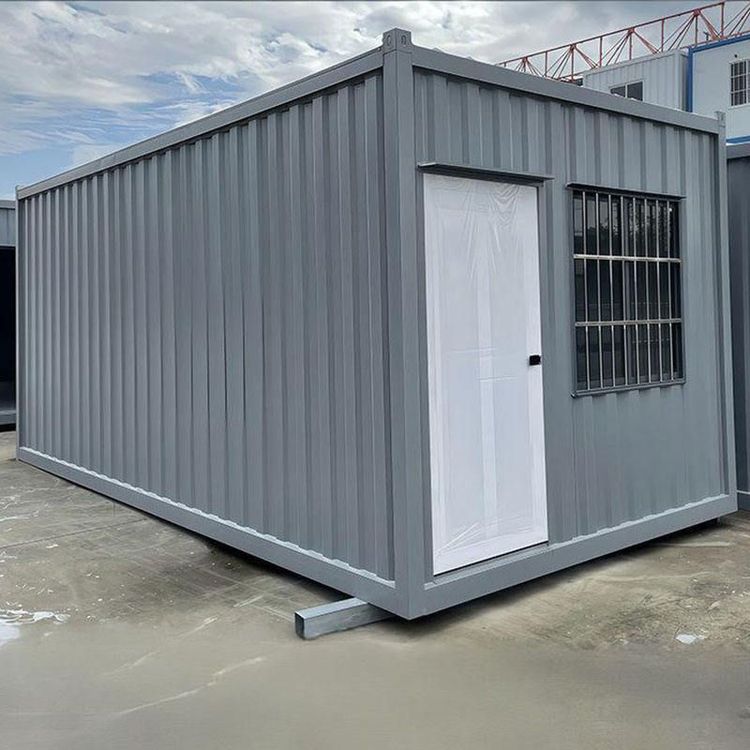
Rural Mobile Toilet Installation
The installation of rural mobile toilets is simple, and the choice of type should be based on actual needs while paying attention to their advantages and disadvantages.

Installation Process and Site Requirements
Most rural mobile toilets are factory-finished products with pre-installed internal water supply and drainage systems and reserved external interfaces, eliminating the need for complex engineering during installation. The core steps include:
- Site Selection: A flat and hardened ground is required, avoiding sloped or soft soil to ensure stability.
- Interface Connection: Connect the reserved water inlet pipe, water outlet pipe (or sewage outlet) to external water sources, sewage storage devices, or septic tanks. Some models may require connection to a power source (such as solar power equipment).
- Fixing and Debugging: Secure the toilet body with ground anchors or counterweights, check the water and electricity systems for smooth operation, and ensure there are no leaks.
Common Types and Applicable Scenarios
Mobile toilets come in various types, mainly divided into the following three categories:
- Packing Type: Uses replaceable plastic collection bags to store waste, suitable for remote areas without sewage pipelines, but requires regular cleaning of the collection bags.
- Biodegradable Type: Utilizes microorganisms to decompose excrement, ultimately converting it into harmless fertilizer, suitable for ecologically sensitive areas or scenarios with high demand for resource recycling.
- Circulating Water Flush Type: Uses a small amount of water for circulating flushing, combined with a filtration system to reduce water consumption, suitable for areas with scarce water resources but requiring cleanliness.
Economy and Resource Utilization
Initial Cost: Mobile toilets are generally less expensive than brick-and-mortar fixed toilets and can be repeatedly disassembled and deployed, suitable for temporary or mobile scenarios. Long-term Maintenance: The cost of replacing components (such as collection bags and filter elements) is relatively low, but regular cleaning of waste is required, and labor costs may be high. Resource Utilization Advantages: Some models support on-site treatment of excrement into fertilizer, reducing pollution and achieving resource recycling, meeting the sustainable development needs of rural areas.
Limitations to Note
- Capacity Limitation: The number of users per session is limited, requiring frequent cleaning (especially for packing types), and is not suitable for high-traffic scenarios.
- Environmental Adaptability: In extreme weather conditions (such as severe cold or strong winds), insulation or wind resistance performance may be insufficient, requiring additional reinforcement or the selection of specialized models.
- Durability: The main body materials are mostly lightweight alloys or plastics, which are prone to aging when exposed to the outdoors for a long time, and their lifespan is generally shorter than that of fixed toilets.
Summary: Rural mobile toilets offer the advantages of easy installation and flexible types, but the choice of type should be based on usage frequency, environmental conditions, and budget, with proper planning for regular maintenance.