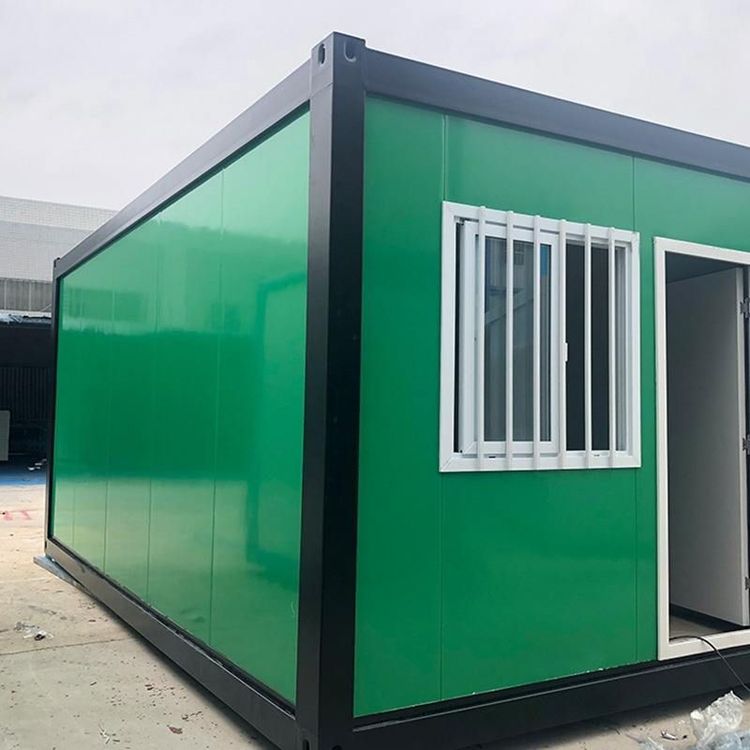
Rural Mobile Toilet Home Installation
The installation of rural home mobile toilets requires selecting an appropriate plan based on the type and paying attention to key points in purchasing, using, and maintaining them.

Installation Process: Mobile toilets are mostly factory-finished products with internal water supply and drainage already installed. Only external interfaces need to be reserved. After arriving home, connect the reserved interfaces to the household water supply and drainage systems for use. For mobile toilets, refer to the instruction manual and follow a simple six-step tutorial. Pay special attention to checking whether the sealing strips and interface connections are tight to avoid leakage or odors during subsequent use.
Type Selection:
- Portable Toilets: Made of high-strength plastic materials and equipped with detachable waste tanks, they are suitable for temporary use or placement in elderly rooms. Ensure that the waste tank is firmly connected to the main body during installation.
- Biodegradable Types: These process excrement by adding microbial degraders, and the resulting organic fertilizer can be directly used in vegetable gardens. Reserve an agent addition port during installation and ensure good ventilation to maintain microbial activity.
- Waterless Flush Types: These use a special sealing structure combined with adsorbent materials to prevent odor diffusion. Check whether the sealing strips are intact during installation to avoid odor leakage due to poor sealing.
Purchase Considerations:
- Number of Family Members: Families with fewer than 3 members can choose a 15-liter capacity model, while those with more than 5 members are advised to select a model with a capacity of over 30 liters to avoid frequent cleaning.
- Frequency of Use: Families that use the toilet frequently can opt for a design with dual waste tanks for easy alternating cleaning and reduced downtime.
- Climatic Conditions: In northern regions, choose frost-resistant materials in winter to prevent the waste tank from freezing. In southern humid regions, consider mold-resistant treatment to extend the equipment's lifespan.
Daily Use and Maintenance:
- Regular Cleaning: It is recommended to clean the waste tank no more than every 3 days and spray disinfectant after cleaning to prevent bacterial growth.
- Agent Replenishment: For biodegradable types, add microbial agents every 2 months to ensure decomposition efficiency.
- Moving Protection: Handle the mobile toilet gently when moving it to avoid severe collisions that could damage the sealing strips and cause sealing failure.
Common Problem Handling:
- Odor Problems: Check whether the sealing ring is aging and replace it with new parts if necessary. For biodegradable types, check whether the microbial agents are sufficient.
- Freezing in Winter: Add an appropriate amount of salt to the waste tank to lower the freezing point and prevent freezing and expansion from damaging the equipment.
- Reduced Decomposition Efficiency: Increase the ambient temperature appropriately or add more microbial agents to restore decomposition activity.