Container on Rural Houses
Whether placing containers on rural houses is legal requires discussion on a case-by-case basis. The core lies in whether it complies with land nature, planning approval, and construction standard requirements. Unauthorized use without approval may involve the risk of illegal construction.

I. Core Conditions for Legality
Compliance with Land Nature
If containers are used for residence or business operations, it must be ensured that the land nature is homestead land or that approval for the conversion of agricultural land has been obtained. According to the Land Administration Law, unauthorized occupation of cultivated land (especially permanent basic farmland) for the construction of container houses is illegal and may face the risk of demolition and restoration of the land to its original state. For example, an agricultural company in Hainan was ordered to rectify for occupying permanent basic farmland to build container sheds.Proper Planning Approval
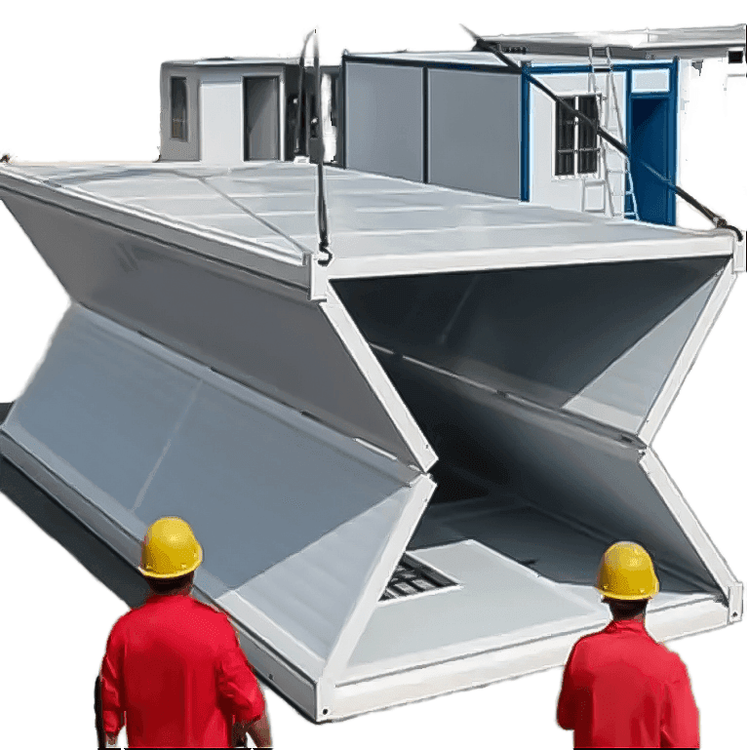
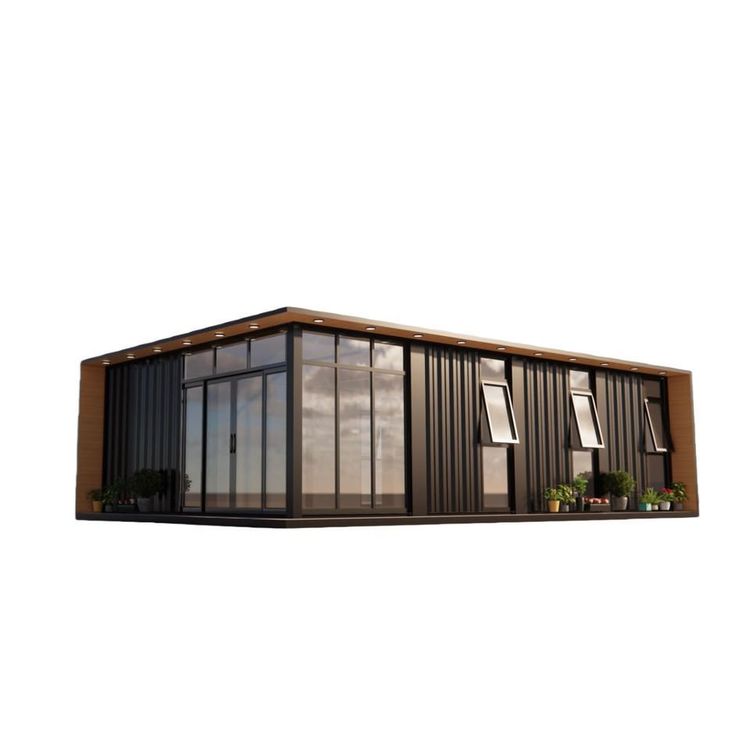
If container houses are used as permanent buildings, they need to be included in rural construction planning. According to the Technical Policy for Rural Housing Construction issued by the Ministry of Housing and Urban-Rural Development, rural houses should generally not exceed 3 stories with a floor height not exceeding 3.3 meters. For example, a homestay in Anji, Zhejiang, legally constructed container houses for business operations by submitting a design plan and obtaining approval, horizontally piecing together containers. If used as temporary buildings (such as for post-disaster relocation or construction site sheds), some regions allow exemption from planning permits for 1-2 years, but they must be self-demolished upon the expiration of the use period.Meeting Construction Standards
Container houses used for residence need to use Class A fire-resistant materials (such as rock wool boards), and the building area of each unit should not exceed 300 square meters. For example, a container street market by the river in Shanghai was included as a legal business venue for using flame-retardant materials and passing fire safety inspections. If using easily flammable materials such as foam sandwich panels, they may be forcibly demolished due to non-compliance with fire safety standards.
II. Handling of Special Scenarios
- Placing Containers on Rooftops or Farmland
If used only for temporary storage of agricultural materials and tools, without hardening the ground, connecting water and electricity, or changing the land use, it is generally not considered illegal construction. However, if the ground is hardened or used for business operations or residence, it may be identified as a substantial change in land use, and it is necessary to consult relevant departments in advance.
III. Suggestions for Legalization
- Apply for Approval Procedures
Apply to local planning and land departments for rural construction planning permits, land use certificates, etc., to ensure that container houses comply with building safety and fire safety requirements. - Avoid Illegal Operations
Do not occupy permanent basic farmland, do not擅自 (unauthorizedly) change land use, and do not carry out permanent foundation construction. - Pay Attention to Policy Dynamics
There are differences in the identification of container houses in some regions, and local policies should prevail.