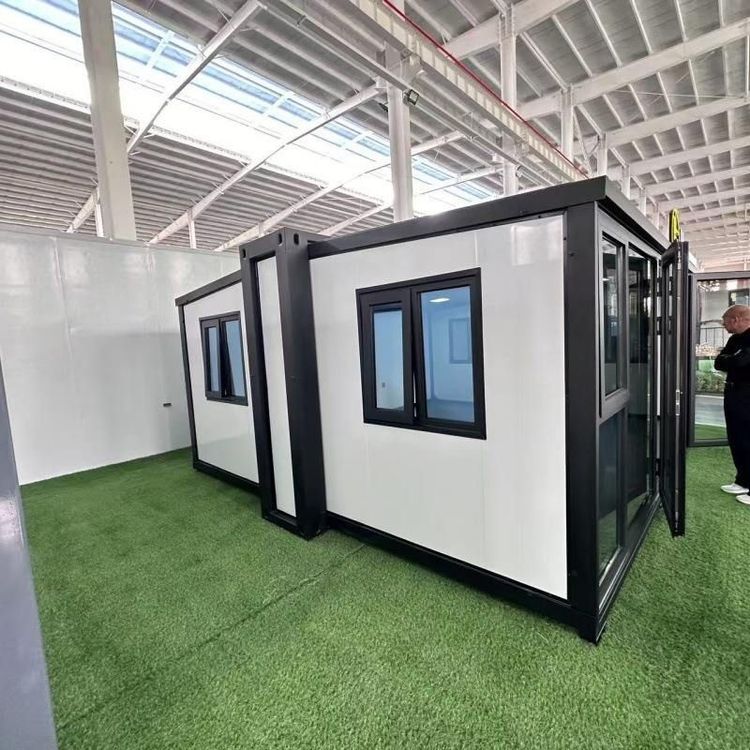
Rural Ecological Mobile Toilet
A rural ecological mobile toilet is a type of toilet that does not cause environmental pollution, makes full use of resources, and emphasizes the self-purification of pollutants and the recycling of resources. The following is an introduction from two aspects: technical characteristics and development history.

Technical Characteristics
Rural ecological mobile toilets possess various advanced technical features. Odorlessness is one of their prominent characteristics. Through scientific design and an effective ventilation system, they can promptly expel unpleasant odors from the toilet, maintaining fresh air. Waterless flushing is also an important feature. For example, they use 304 stainless steel foot-operated opening and closing squat toilets, eliminating the need for water flushing in dry toilets and significantly conserving water resources. In terms of pollution-free discharge, waterless ecological toilets employ advanced microcomputer control systems. The sensing system can automatically detect the presence of users, triggering lighting, ventilation, and separation systems. Through composite microorganisms, solid waste is biologically treated into gases, while urine is decomposed and treated to meet the standards for reclaimed water for recycling, achieving effective treatment of pollutants and reuse of resources. Waste resource utilization is equally crucial. Some rural ecological mobile toilets can be equipped with microbial degradation and fermentation chambers to degrade and treat fecal waste, converting it into usable resources such as organic fertilizers.
Development History
The development of rural ecological mobile toilets follows a certain historical trajectory. In the 1950s, harmless ecological toilets began to be promoted in rural areas, serving as a means to improve urban and rural environmental sanitation and prevent and control diseases in China. At that time, many places explored and implemented sanitary toilets suitable for local environments, such as the "three-pass biogas type" in Shandong and the "double-urn funnel type" in Henan. These toilet models laid the foundation for the development of rural ecological toilets. Over time and with continuous technological advancements, rural ecological mobile toilets have continuously evolved and improved. By 2026, Heshan District had promoted the use of 1,230 sets of straw powder ecological toilets, indicating that rural ecological mobile toilets have been further promoted and popularized in practical applications, playing a significant role in improving rural environmental sanitation.