
Ruian Cement Prefabricated House
Ruian cement prefabricated houses are modern prefabricated building forms that use cement as the main material, with components prefabricated in factories and assembled on-site.
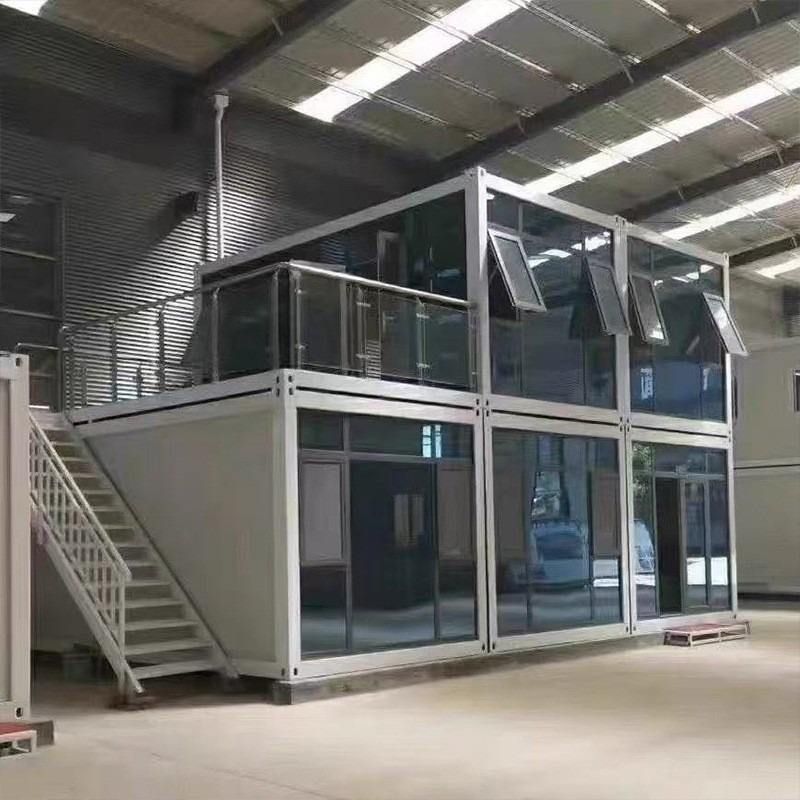
I. Advantages and Characteristics
- Structure and Performance: These houses adopt high-strength reinforced concrete structures with internal steel reinforcement frameworks, ensuring that their load-bearing capacity and seismic performance meet national building standards. Their production process is rigorous, with quality control systems in place at every stage to ensure the overall structural safety of the houses.
- Construction Efficiency: Components are produced in factories and transported to the site for assembly, reducing the construction period by more than 50%. This makes them particularly suitable for scenarios such as temporary office buildings, post-disaster reconstruction housing, rural self-built houses, and industrial plants.
- Environmental Protection and Energy Efficiency: Compared to traditional cast-in-place buildings, cement prefabricated houses reduce on-site wet operations, lowering dust and noise pollution. Additionally, the materials are recyclable, aligning with the concept of green buildings.
- Functional Optimization: They offer better waterproofing, thermal insulation, and sound insulation performance. Some products support rapid assembly and disassembly and can be reused, meeting flexible usage needs.
II. Limitations
- Seismic Performance Differences: The seismic performance of modular prefabricated structures (such as some cement prefabricated houses) is weaker than that of cast-in-place houses. They can meet requirements in non-seismic zones but should be chosen with caution in high-intensity earthquake areas.
- Floor Limitations: Due to structural system constraints, cement prefabricated houses are not suitable for constructing too many floors, as it becomes difficult to meet seismic design requirements. Ruian Urban Construction Engineering Company mainly focuses on buildings with six floors or fewer, indirectly confirming this limitation.
- Reflection on Historical Issues: In the past, cement prefabricated panel houses used in rural areas had safety hazards, such as short usable lifespans due to inferior materials and poor sound insulation and water leakage caused by edge gaps. Modern cement prefabricated houses have been significantly improved through process enhancements, but it is essential to choose reputable manufacturers and qualified products.
III. Application Scenarios Cement prefabricated houses are widely used in temporary buildings, rural housing, industrial plants, and other fields due to their advantages of rapid construction and cost control. For example, they can quickly provide safe shelter in post-disaster reconstruction and shorten construction periods while improving living quality in rural self-built houses. However, comprehensive evaluations based on geological conditions, usage needs, and regulatory requirements are necessary to avoid blindly pursuing speed or floor count while neglecting safety.



