
Row Movable Toilet
Row toilets are movable and belong to a form of mobile toilets.
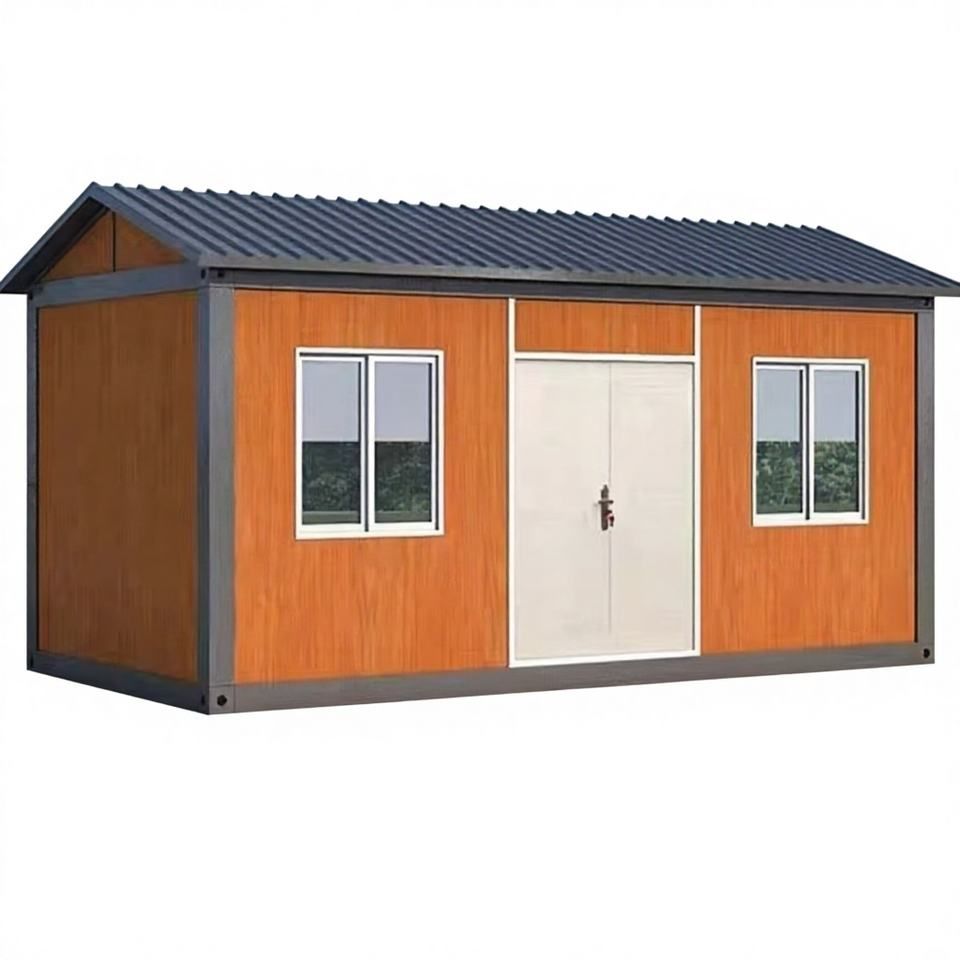
Mobile toilets are facilities that can be moved as a whole and set up at locations with fixed or temporary needs to provide toilet services for the public and customers. As a type of mobile toilet, row movable toilets have significant advantages such as being movable, combinable, and easy to transport.
In terms of structural features, row movable toilets are usually constructed using sturdy and durable materials. For example, some row-type movable toilets use thickened and reinforced galvanized frames. After welding, these frames can be used for more than 15 years, offering extremely high stability and durability. They can be used immediately upon placement without a complex installation process, greatly enhancing convenience of use. There are also row toilets with galvanized steel frame structures and high-density exterior wall panels. This combination not only ensures the overall strength of the toilet but also effectively isolates the external environment, providing a comfortable toilet space for users.
Regarding functional configurations, row movable toilets are equipped with complete sanitary fixtures inside to meet the usage needs of different locations. Taking a row-type movable toilet with four squatting positions and one management room as an example, it not only provides sufficient toilet space but also has a management room for daily maintenance and management by staff. A row toilet composed of six toilet units can serve more people simultaneously and is suitable for places with high foot traffic.
Row movable toilets have a wide range of application scenarios and are suitable for scenic spots, parks, camping sites, etc. In scenic spots and parks, row movable toilets can be flexibly adjusted in position according to changes in tourist traffic to provide convenient toilet services for tourists. At camping sites, the mobility of row movable toilets allows them to move with the changing locations of camping activities, meeting the basic living needs of campers.



