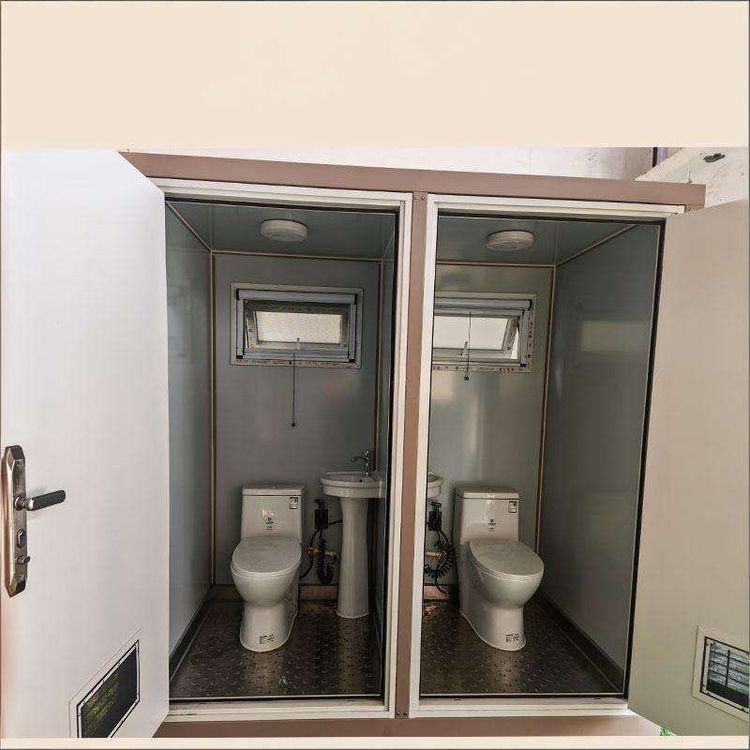
Room Portable Toilet for Bedroom
A room portable toilet for the bedroom is a portable sanitary device specifically designed for indoor spaces such as bedrooms, primarily serving individuals with mobility issues, such as the elderly, bedridden patients, or pregnant women. Its core function is to address the challenge of using the restroom when the bathroom is far away or inconveniently located.
I. Core Functions and Design Features
Portability and Installation-Free Design
The room portable toilet does not require fixed installation and can be easily moved as needed, making it ideal for spaces like bedrooms and hospital wards. Its lightweight design (some products weigh less than 5kg) and anti-slip base ensure stability during use, minimizing the risk of sliding.Targeted Design for Specific User Groups
Designed for individuals with limited mobility, the toilet height is typically set between 40-50cm, close to the height of a regular chair, reducing the difficulty of squatting or turning during use. Some models are equipped with armrests or backrests to further assist users in maintaining balance.Hygiene and Convenience Optimization
- Deep Commode Design: The commode depth can reach 20-30cm, reducing the risk of urine splashing and lowering the frequency of cleaning.
- Handles and Lids: The commode is equipped with handles for easy carrying and a lid to block odors. Some models feature a sealing ring design to prevent liquid leakage.
- Weight Capacity: High-quality products can support weights of over 150kg, meeting the needs of most users.
II. Usage Scenarios and Advantages
Addressing Spatial Limitations
In scenarios where the bathroom is far from the bedroom or located outdoors (such as in rural self-built houses or older residential areas), a portable toilet can shorten the path to the restroom, reducing the risk of nighttime falls, especially for pregnant women and the elderly, thereby significantly enhancing safety.Emergency and Temporary Needs
During home renovations, power outages, or bathroom repairs, a portable toilet can serve as a temporary alternative to maintain basic living needs.Medical and Rehabilitation Assistance
Postoperative patients or long-term bedridden individuals can use a portable toilet to reduce the need for getting out of bed, lowering the risk of secondary injuries and facilitating care by nursing staff.
III. Considerations for Purchase
- Material Safety: Prioritize products made of PP plastic or stainless steel to ensure they are non-toxic, corrosion-resistant, and easy to clean.
- Stability Testing: Check for anti-slip pads or suction cup designs at the base to prevent sliding during use.
- Commode Capacity: Choose a capacity based on usage frequency (typically 5-10L) to avoid frequent emptying.
- Additional Features: For nighttime use, consider models with night lights or quiet flushing designs.
The room portable toilet for the bedroom effectively balances portability, hygiene, and safety through its user-friendly design, making it a practical tool for improving the quality of life for specific user groups.