Adding a Mobile Toilet to a Room
Whether adding a mobile toilet to a room is illegal depends on a comprehensive assessment of the building's structure, its intended use, and the approval procedures. Illegal actions may include damaging the structure, altering its purpose, or failing to obtain necessary approvals.
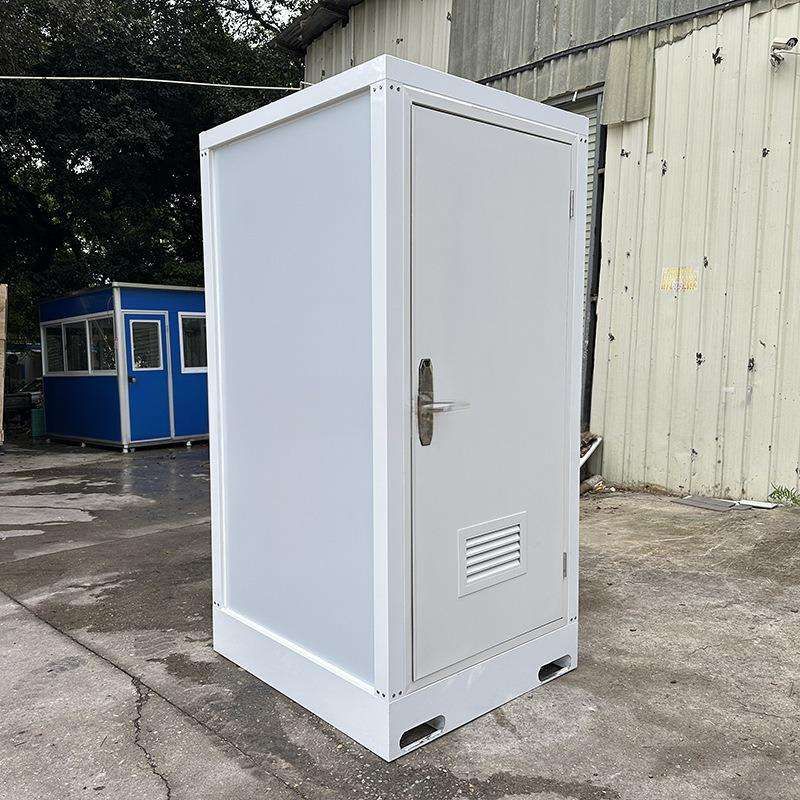
Illegal Scenarios
Damaging the Building Structure or Safety
Drilling holes in load-bearing walls or removing key load-bearing components such as beams violates the 'Regulations on the Quality Management of Construction Projects,' which prohibits unauthorized alterations to the main structure and load-bearing elements of a building. Such actions weaken the overall stability of the building, endangering the safety of the entire structure, and are considered illegal. For example, cutting a door opening in a load-bearing wall of a brick-concrete structure house to install a mobile toilet may lead to wall cracks or even building settlement.Unauthorized Change of Property Use
Converting a non-bathroom room (such as a bedroom or living room) into a bathroom violates the 'Property Management Regulations' and the management rules of the residential community. Bathrooms require the installation of drainage pipes and waterproofing measures. If the original room lacks such designs, the renovation may damage the floor structure or infringe upon the rights of the downstairs owner. For instance, if a bedroom is converted into a bathroom and the waterproofing is not properly done, water leakage from the ceiling downstairs may result in compensation claims from neighbors.Failure to Obtain Approval Procedures
Constructing without applying for and obtaining approval from the planning and construction departments is considered illegal construction. It is necessary to first pass the review by the planning department to ensure compliance with the community's overall plan and then obtain approval from the housing and construction department for the construction plan. For example, installing a mobile toilet on a balcony requires submitting a waterproofing project acceptance report; altering water supply and drainage pipes requires providing compliance certificates for pipe alterations.
Approval Process
- Property Reporting: Submit the design plan to the property management or the homeowners' committee of the residential community, explaining the location of the bathroom, waterproofing measures, pipe routing, etc. The property management needs to review whether it affects other owners (such as occupying public space or affecting lighting).
- Planning Permission: Submit the property ownership certificate and design drawings (including dimensions and structural modifications) to the local planning department for review to ensure compliance with the overall plan of the residential community.
- Construction Permission: Submit the contractor's qualifications and safety protection measures (such as scaffolding erection and construction noise control) to the housing and construction department to ensure that the construction does not damage the building structure.
Potential Hazards
- Structural Safety Hazards: Damaging load-bearing structures may lead to wall cracks or building settlement.
- Water Leakage Risks: Improper waterproofing construction may trigger neighborhood disputes or even damage to the downstairs decoration.
- Pipe Conflicts and Safety Accidents: Unauthorized connections to water supply and drainage pipes may cause poor drainage or foul odors; altering gas pipes may lead to leaks or explosions.