Rooftop Outdoor Mobile Toilet
Currently, there is no clear and unified standard design for rooftop outdoor mobile toilets, but reasonable planning can be carried out based on the common structures of mobile toilets and the requirements of outdoor scenarios.
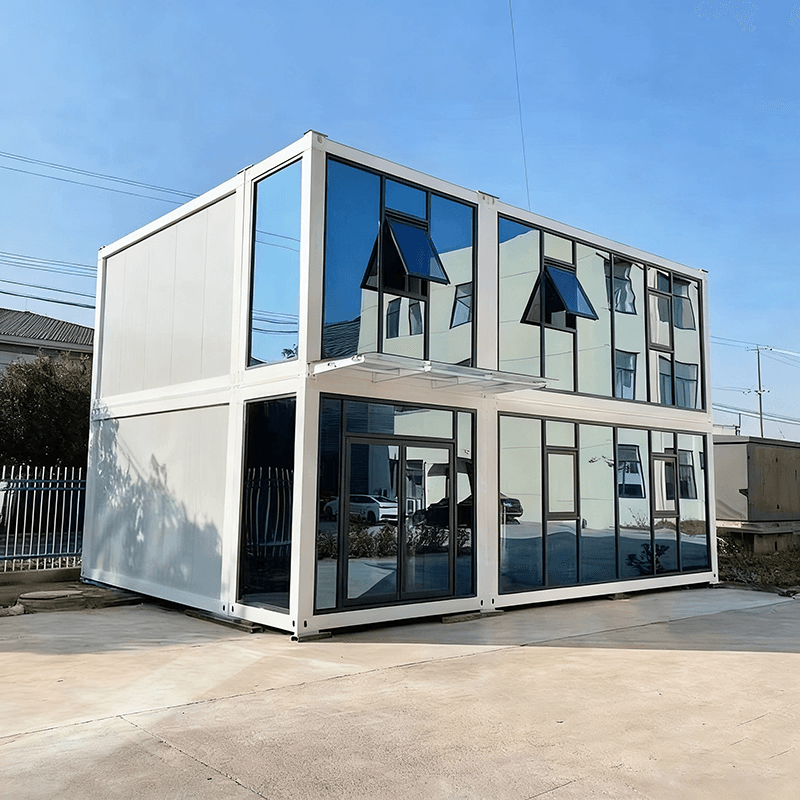
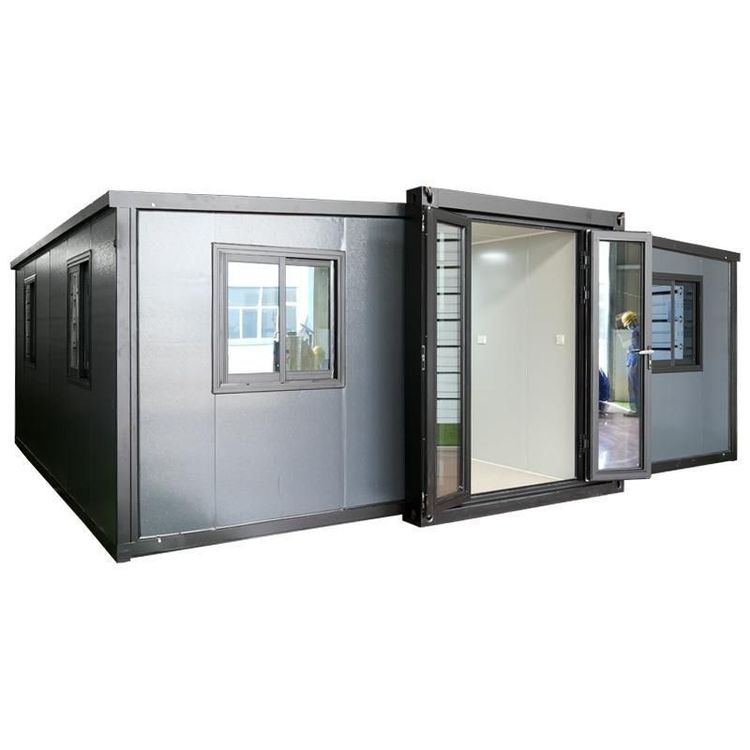
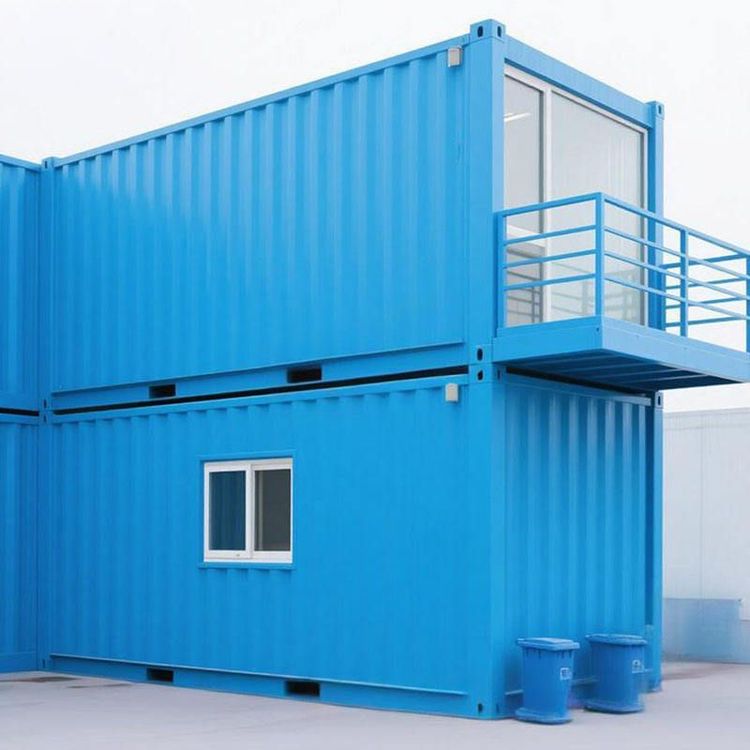
Mobile toilets are generally composed of core parts such as fecal sewage storage tanks (or disposal devices), floor slabs, sanitary ware, walls, washing equipment, water tanks, roofs, and mobile devices. These basic components provide a basic framework for the design of rooftop outdoor mobile toilets, but rooftop scenarios have their own particularities and require targeted optimization.
The roof design should take into account both waterproofing and load-bearing capacity. The rooftop environment is directly exposed to nature, and waterproofing is the primary consideration. The pointed roof design of some outdoor mobile toilets can be referred to, with waterproof asphalt shingles laid. This material can effectively block rainwater penetration, and the pointed roof structure is conducive to the rapid sliding of rainwater, reducing the risk of water accumulation. If a more stable structure is desired, a double-roof design is also a feasible option. For example, the double-roof mobile toilet produced by Dezhou Hongtu Metal Products Co., Ltd. adopts a galvanized frame structure, which not only enhances the overall stability but also disperses the roof pressure, reducing the concentrated impact on the rooftop load-bearing capacity. In terms of exterior wall materials, metal carved panels are a good choice. They are both aesthetically pleasing and durable, and can withstand harsh weather conditions such as strong winds and sun exposure on the rooftop.
The internal layout should make rational use of space. Rooftop space is limited, so the interior of the mobile toilet needs to be compact and fully functional. A public hand-washing area can be set up for easy cleaning after use; male toilets can be equipped with urinals to improve usage efficiency. When selecting sanitary ware, attention should be paid to water-saving performance to reduce the demand for water tank capacity and save space. At the same time, the floor slabs should have anti-slip and easy-to-clean properties to ensure safety and hygiene during use.
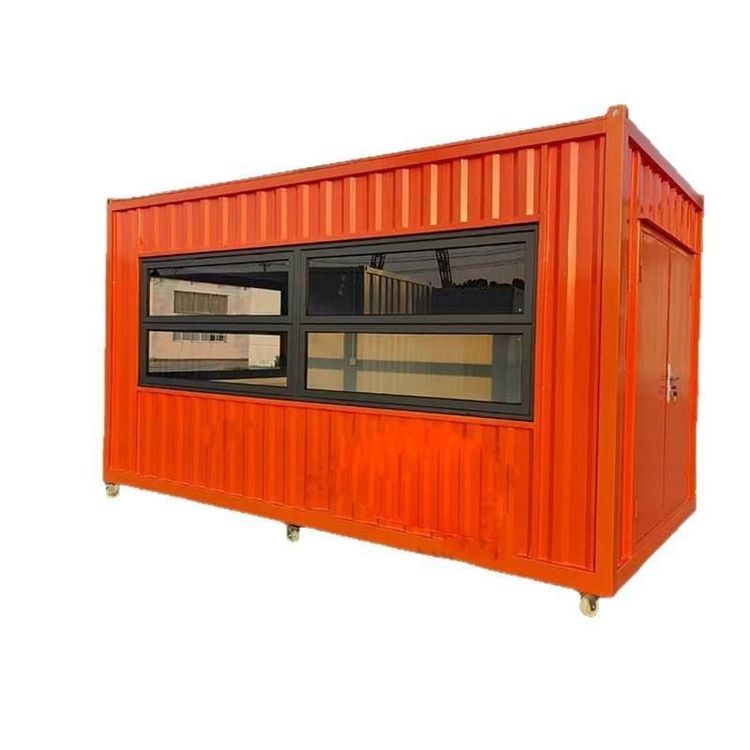
The mobile device should ensure flexibility and stability. Rooftop mobile toilets need to be movable so that they can be adjusted in position or maintained according to actual needs. The mobile device should be reasonably designed to be easily movable while remaining stable when fixed, preventing the mobile toilet from shifting due to strong winds on the rooftop or human use.
The disposal of fecal sewage should be environmentally friendly and efficient. The disposal of fecal sewage from rooftop outdoor mobile toilets is crucial. Storage tanks can be used for collection, with regular cleaning and transportation; or disposal devices can be equipped for on-site treatment to reduce the impact on the environment.