
Rooftop Mobile Container House
Whether it is feasible to place a mobile container house on the rooftop needs to be comprehensively judged based on its purpose, installation method, and local regulations. Generally, it is not considered an illegal structure if it is used temporarily without hardening the ground, connecting to water or electricity, but it is necessary to consult relevant departments in advance.
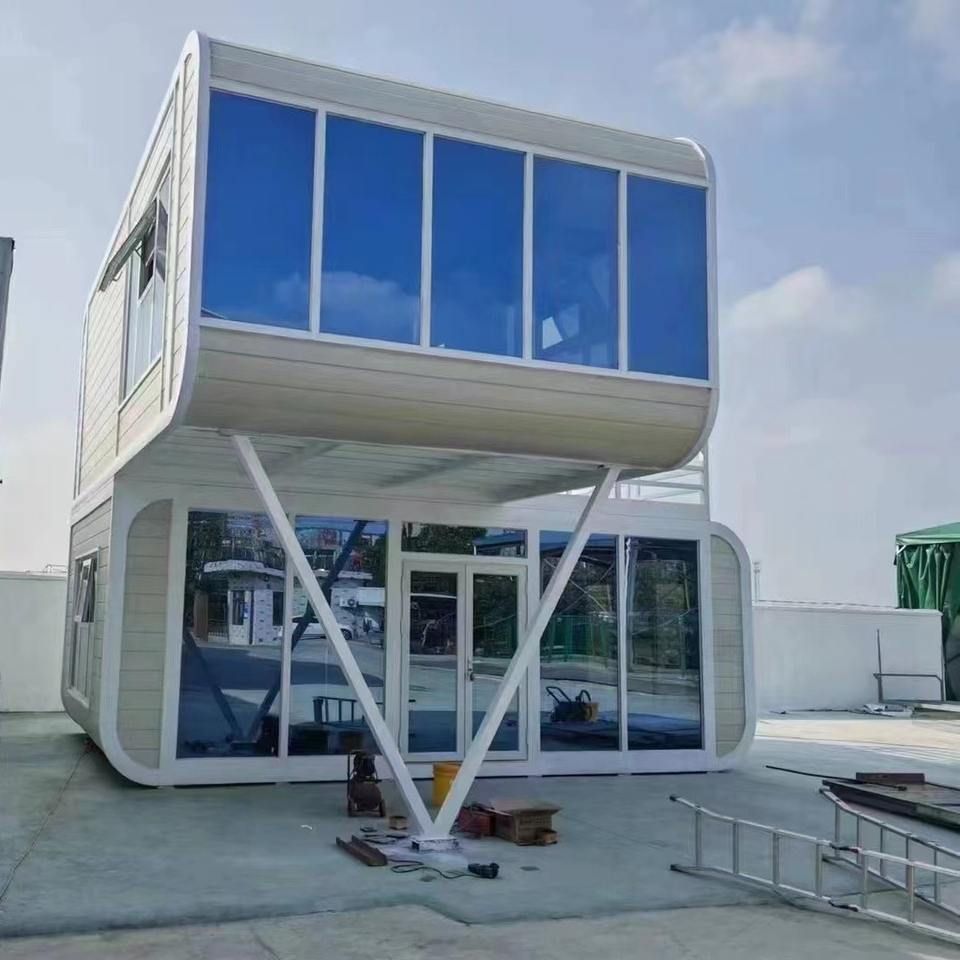
Nature and Uses of Mobile Container Houses
Mobile container houses are essentially movable metal structures with the characteristics of flexible disassembly and installation. They are commonly used in scenarios such as temporary storage, construction site dormitories, and emergency support. Their core advantage lies in their non-fixed nature, allowing for rapid relocation through lifting and transportation, which is fundamentally different from traditional brick-and-mortar buildings. If used solely as a container for temporarily storing tools or agricultural supplies, and without damaging the building structure or land properties, they are generally not considered illegal structures.
Key Factors in Determining Legality
Whether the ground is hardened or permanent foundations are built
If hardening materials such as cement or floor tiles are laid on the rooftop, or fixed piles are installed, it may alter the original structure of the building and be considered an illegal structure. Conversely, if only the container is placed without being fixed, it usually meets the standards for temporary use.Whether the purpose changes the nature of the land or building
If the container is used for living or business operations (such as opening a shop or a homestay), or if water and electricity are connected to form a long-term living space, it may be considered a “substantial change in purpose” and thus constitute an illegal structure. Temporary office or storage uses pose a lower risk.Differences in local policies
Some cities regard containers as temporary buildings and allow short-term use (e.g., 3-6 months), but require registration; other areas may directly prohibit them. For example, placing containers on rural farmland may be allowed if they meet the standards for “farmland guard houses” (area and height restrictions), but hardening the ground should be avoided.
Operational Recommendations
Consult the planning department in advance
Confirm the local management requirements for temporary buildings, clarify the usage period, area restrictions, and registration process.Avoid permanent modifications
Maintain the mobility of the container, do not damage the rooftop waterproof layer, and do not add fixed facilities to reduce the risk of illegal structures.Choose compliant products
Prioritize purchasing container houses that meet national standards to ensure structural safety (e.g., wind and earthquake resistance ratings meet standards) and avoid disputes caused by quality issues.



