
Rooftop Container Mobile House
Whether placing a container mobile house on a rooftop constitutes an illegal construction depends on various factors, primarily whether planning permission has been obtained, whether the land use has been altered, and the building's safety. In some cases, it may not be considered illegal construction, but strict adherence to local regulations is required.
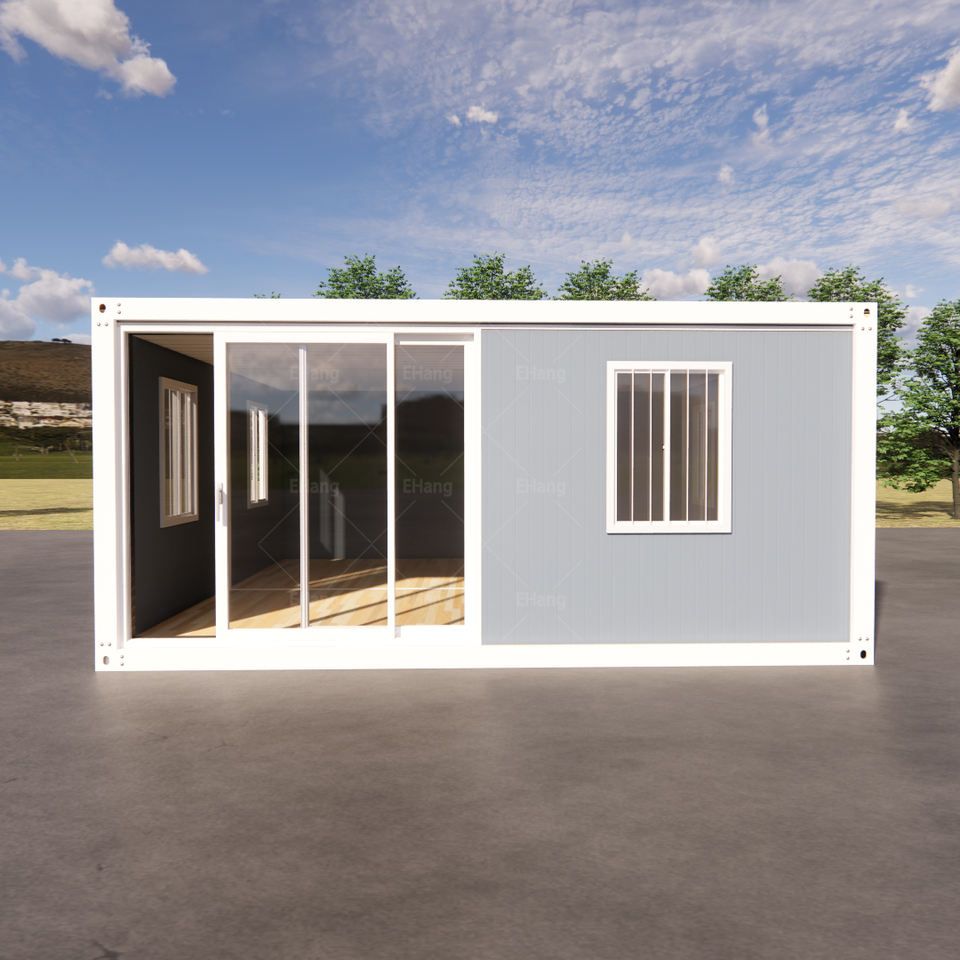
I. Legal Definitions and Core Criteria for Determination
According to the Urban and Rural Planning Law of the People's Republic of China and the Land Administration Law, any construction activity must obtain planning permission and land use permission in accordance with the law. The Guidelines on Regulating the Management of Temporary Buildings issued by the Ministry of Natural Resources specify that temporary buildings require temporary land use and temporary construction planning permits, with a general usage period not exceeding two years.
Determining whether a container mobile house constitutes illegal construction involves considering the following factors:
- Land Nature and Use: If placed on the rooftop of one's own residential building without altering the land use (e.g., from residential to commercial), the risk is relatively low. However, placing it on non-construction land such as farmland or public spaces may be suspected of illegal construction.
- Planning and Construction Permits: Even if the container is movable, if planning department permission has not been obtained, it may still be deemed illegal construction. Some localities allow temporary buildings to be exempt from permits, but prior consultation and confirmation are necessary.
- Building Safety: It is essential to ensure that the placement of the container does not damage the rooftop structure, does not exceed the building's load capacity, and complies with fire safety, earthquake resistance, and other safety standards.
- Usage Nature: If used for residence, business operations, or long-term occupation of public spaces, it may be considered a 'substantial alteration of use,' increasing the risk of illegal construction.
II. Compliance Analysis in Different Scenarios
Rooftop of One's Own Residential Building:
- Compliance Conditions: The ground is not hardened, no permanent foundation is built, no water or electricity is connected, the rooftop structure is not altered, and it is not used for business operations or residence.
- Risk Points: If the weight of the container exceeds the designed load capacity of the rooftop, or if it blocks fire exits or affects neighbors' sunlight, rectification may be required.
Farmland or Rural Homestead:
- Compliance Conditions: It is used only as a temporary storage for agricultural supplies or as a caretaker's house, without damaging the plow layer or occupying land quotas.
- Risk Points: If used for homestay business operations or long-term residence, approval for the conversion of agricultural land must be obtained; otherwise, it may be suspected of illegal construction.
Rooftop of Urban Public Buildings or Commercial Buildings:
- Strict Supervision: Structural safety assessments and planning permits are required, and the building's appearance or public interests must not be affected. For example, in the case of Enshi City, the urban management department determined that containers that 'do not generate accommodation or business activities and do not encroach on public spaces' are not considered illegal construction, but local policies must prevail.
III. Compliance Recommendations
- Consult in Advance: Confirm with local planning and urban management departments whether permission is required, and clarify usage period and purpose restrictions.
- Avoid Hardening the Ground: Maintain the mobility of the container and do not build permanent foundations.
- Control Usage Nature: Do not use it for residence or business operations, and do not alter the land use.
- Ensure Safety: Commission a professional institution to assess the rooftop's load-bearing capacity and avoid safety hazards.


