
Roof Container Transformation
Whether transforming a building's roof into a container structure is considered an illegal construction depends on various factors, primarily whether planning permission has been obtained, whether the land use has been altered, and the building's safety. In some cases, it may be deemed illegal.
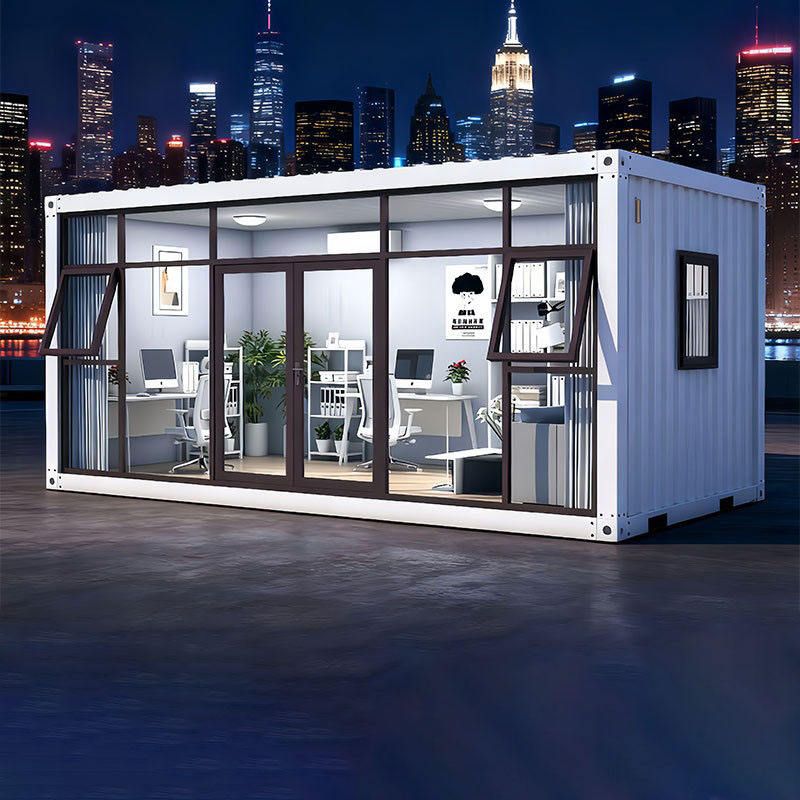
Legal Attributes of Container Houses and Criteria for Illegal Construction Determination
Container houses are movable metal structures, differing from traditional fixed buildings. The determination of illegal construction for container houses requires a comprehensive assessment based on land nature, planning permission, and usage. According to the Urban and Rural Planning Law and the Land Administration Law, any building without planning permission or land use approval is considered illegal construction. This includes buildings for which no permit has been applied for or obtained, those that have altered their planned or intended use without authorization, temporary buildings that have exceeded their permitted duration without being dismantled, and buildings for which permits have been obtained through fraudulent means. If a container house has not obtained temporary land use and construction planning permits, it may still be deemed illegal construction despite its mobility.
Risks of Illegal Construction When Placing Containers on Roofs
Restrictions on Urban Roof Additions
The Ministry of Housing and Urban-Rural Development's "Administrative Measures for Adding Structures to Existing Building Roofs" explicitly prohibits roof additions without structural safety assessments and planning permission. Urban roof container houses, due to their implications for building load-bearing capacity, fire safety, and neighbors' rights, are subject to stricter regulation. For example, after a resident in Changzhou added a container to their roof and was reported, urban management authorities faced enforcement dilemmas due to the lack of explicit legal basis. Nevertheless, such actions may still be ordered for removal due to safety hazards or alterations to the building's appearance.Complexity in Rural Areas
Against the backdrop of tightening rural homestead land, container houses are often used for temporary residence or storage of agricultural materials. If they do not damage the arable layer, harden the ground, connect to water and electricity supplies, and do not occupy land quotas, they may not be deemed illegal construction. However, if used for business purposes (such as homestays) or residence, or if the ground is hardened and permanent foundations are built, they may be investigated and dealt with for "substantially altering land use".
Recommendations for Legal Use of Container Houses
Consultation and Approval in Advance
Before placement, it is necessary to consult local planning and housing and construction departments to clarify whether temporary building permits are required. Some regions allow free erection and dismantling, but usage periods (usually not exceeding 2 years) must be adhered to.Avoid Altering Land Use
Container houses are intended for temporary use only and should not be used for business or long-term residence. For example, if a container house in a field is deemed to be used for homestay business, it may be ordered for removal due to violation of land use regulations, even if the ground has not been hardened.Ensure Building Safety
When adding structures to a roof, the original building's load-bearing capacity must be assessed to avoid safety hazards caused by the weight of the container. If a container house on an urban roof has not undergone a safety assessment, it may still be ordered for rectification due to safety non-compliance, even if planning permission has been obtained.



