Earthquake Resistance of Container Houses in Rongcheng City
Container houses in Rongcheng City generally possess strong earthquake resistance, but their safety can be further enhanced through standardized construction and reinforcement measures.

Fundamentals of Earthquake Resistance in Container Houses
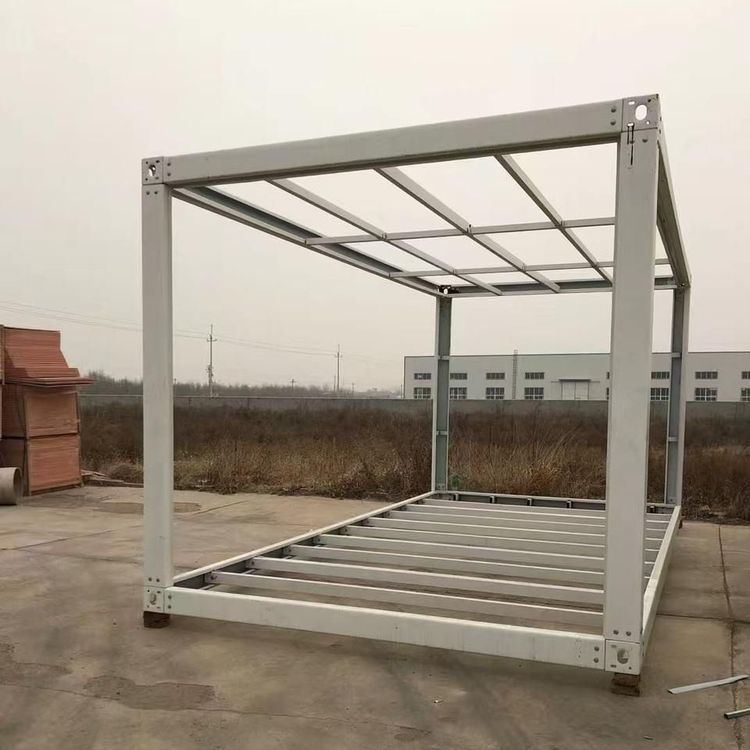
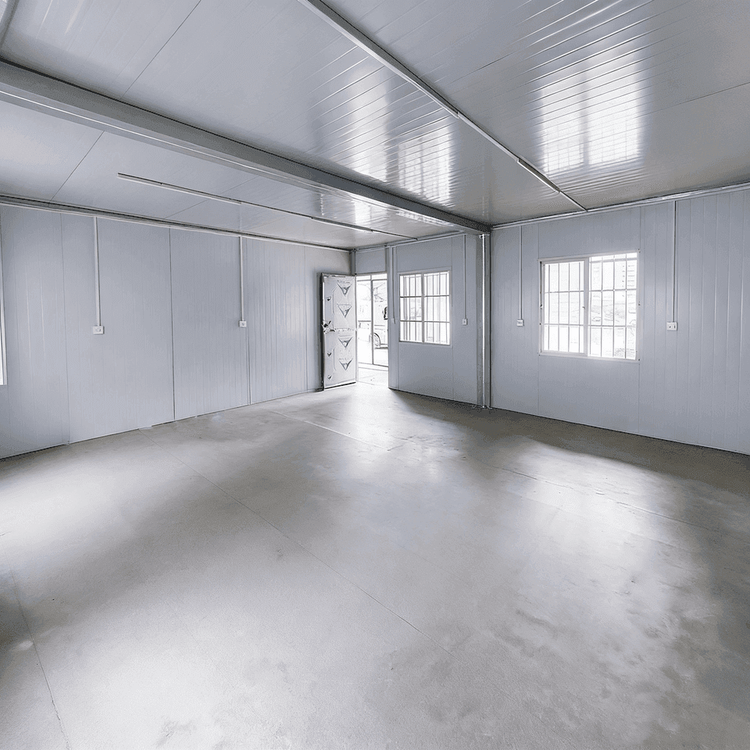
The earthquake resistance of container houses stems from their original design characteristics. Containers are manufactured to withstand harsh maritime environments, such as waves and turbulence, and are welded into an integral frame structure using high-strength steel, providing high structural stability. For example, Chengdong Housing's container products have been experimentally verified to withstand an earthquake intensity of 8 degrees (equivalent to a seismic resistance grade of 6.4), and their lightweight steel structures can absorb energy through deformation during earthquakes, reducing the extent of damage. This characteristic makes them more resilient than traditional brick-and-mortar structures during earthquakes.
Recommended Earthquake Resistance Measures in Rongcheng City
Although no specific earthquake resistance policies for container houses have been found in Rongcheng City at present, the following measures can be taken to enhance their earthquake resistance based on general standards and experimental data:
- Standardized Construction and Compliance
The construction of container houses must strictly adhere to national standards such as the Code for Seismic Design of Buildings to ensure that structural layouts and load distributions meet seismic requirements. For example, avoid placing containers directly on soft soil foundations; instead, reinforce the foundation through compaction or replacement. - Structural Reinforcement Techniques
- Foundation Reinforcement: Use concrete pouring or pile foundation techniques to enhance the stability of the connection between the house and the ground, preventing overturning during earthquakes.
- Support Column Installation: Install steel support columns inside the house to form an integrated load-bearing system with the container frame, improving lateral shear resistance.
- Joint Reinforcement: When connecting multiple container modules, prioritize welding or high-strength bolt connections over riveting, which is prone to loosening, to ensure structural continuity.
- Utilization of Lightweight Steel Structure Resilience
The lightweight steel structure of containers can dissipate energy through elastic deformation during earthquakes, but regular inspections of welds, bolts, and other connection points are necessary to prevent performance degradation due to fatigue damage.
Emergency Management Recommendations in Rongcheng City
The Rongcheng City Emergency Management Bureau promotes earthquake self-rescue knowledge through channels such as the "Shandong Earthquake Early Warning" WeChat mini-program and recommends that residents activate early warning functions to gain time for evacuation. For users of container houses, emergency plans (such as securing heavy objects and planning escape routes) can be developed in conjunction with such promotional content to further reduce earthquake risks.
Conclusion: The earthquake resistance of container houses relies on the combination of their original structural advantages and post-construction reinforcement measures. In Rongcheng City, significant improvements in seismic safety can be achieved through compliant construction, technical reinforcement, and emergency preparedness, but continuous attention to updates in national standards and local policies is essential.