
Rongchang Packaged Mobile Toilet Design
The design of Rongchang packaged mobile toilets encompasses several core aspects, including structural framework, enclosure modules, integration of internal functional modules, and environmental adaptability design.
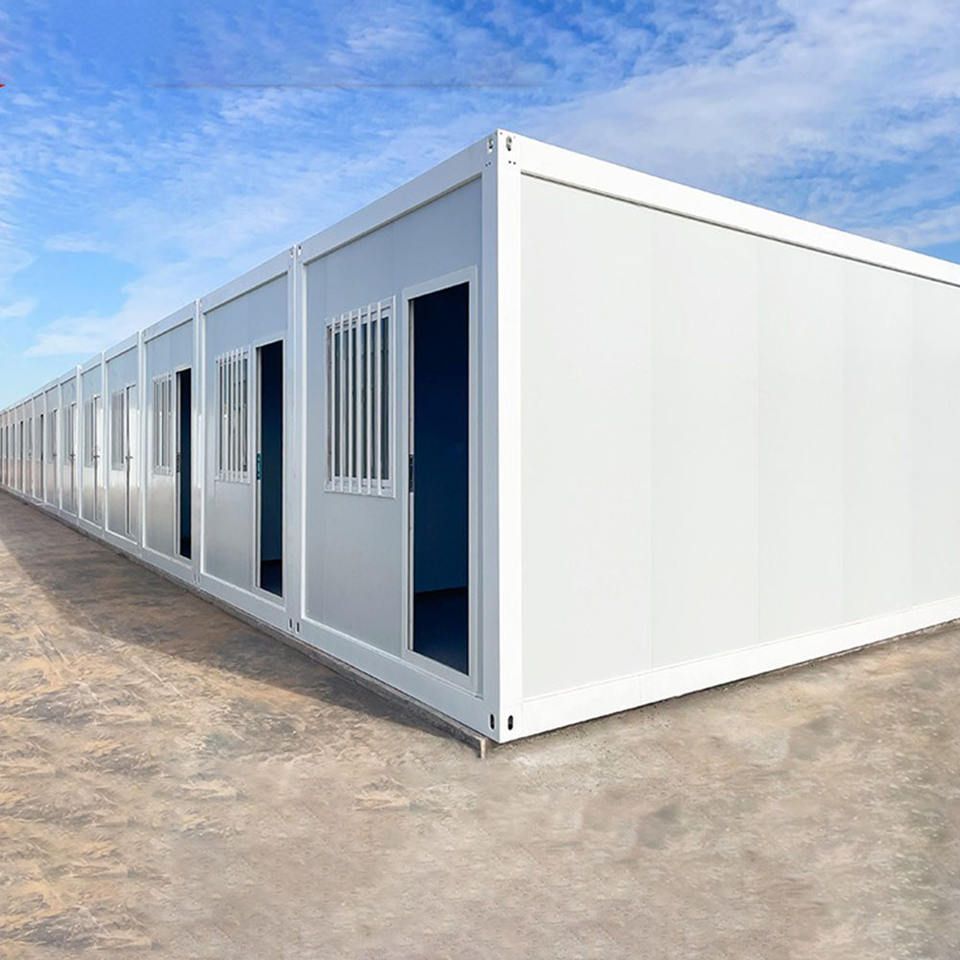
Structural Framework Design: Lightweight yet high-strength metal materials, such as galvanized steel or aluminum alloy, are commonly used. These materials ensure the stability and safety of the overall structure while reducing transportation and installation difficulties. For example, in the design of a 3m x 6m packaged mobile toilet, a 2.5-specification packaged box structure is adopted for the framework. By optimizing the node connection methods, it can withstand vibrations and stresses during lifting and transportation, meeting the demands of mobility.
Enclosure Module Design: This includes walls, roofs, and floors, with composite materials or eco-friendly panels often selected. These materials must possess properties such as thermal insulation, flame retardancy, and corrosion resistance to adapt to different environmental conditions. For instance, in cold regions, the enclosure modules need enhanced thermal insulation performance; in hot and humid areas, they require improved moisture resistance and corrosion resistance.
Integration of Internal Functional Modules: This covers subsystems such as water supply and drainage, electricity and lighting, and ventilation. These modules are prefabricated, tested, and initially assembled in the factory. Upon transportation to the site, only basic positioning and external water and electricity connections are required before they can be put into use. For example, the interior of a 3m x 6m packaged mobile toilet includes an integrated ceiling, deep gray floor tiles, two ceramic sinks, and well-planned functional areas such as men's restrooms and mop sinks, enhancing installation efficiency and user convenience through modular design.
Environmental Adaptability Design: Design parameters are adjusted according to different application scenarios. For example, in water-scarce scenic areas, waterless or water-saving technologies such as microbial degradation, foam sealing, or vacuum collection are employed; in temporary construction sites, the box structure needs to be reinforced to accommodate frequent movement. Additionally, the additional costs associated with mobility, such as the manufacturing costs of chassis, axles, and connecting mechanisms, as well as the reinforced design of the box structure to withstand dynamic loads during transportation, must be carefully considered.
Specific Design Case: A 3m x 6m packaged mobile toilet features a pure white exterior and internally divided functional areas by partitions. The left side is designated as the men's restroom, with a sink and mop sink in the middle, and deep gray floor tiles throughout. The overall design balances practicality and aesthetics.



