
Roadside Mobile Smart Toilet
A roadside mobile smart toilet is a facility that can be moved as a whole and placed in fixed or temporary locations to provide public restroom services.
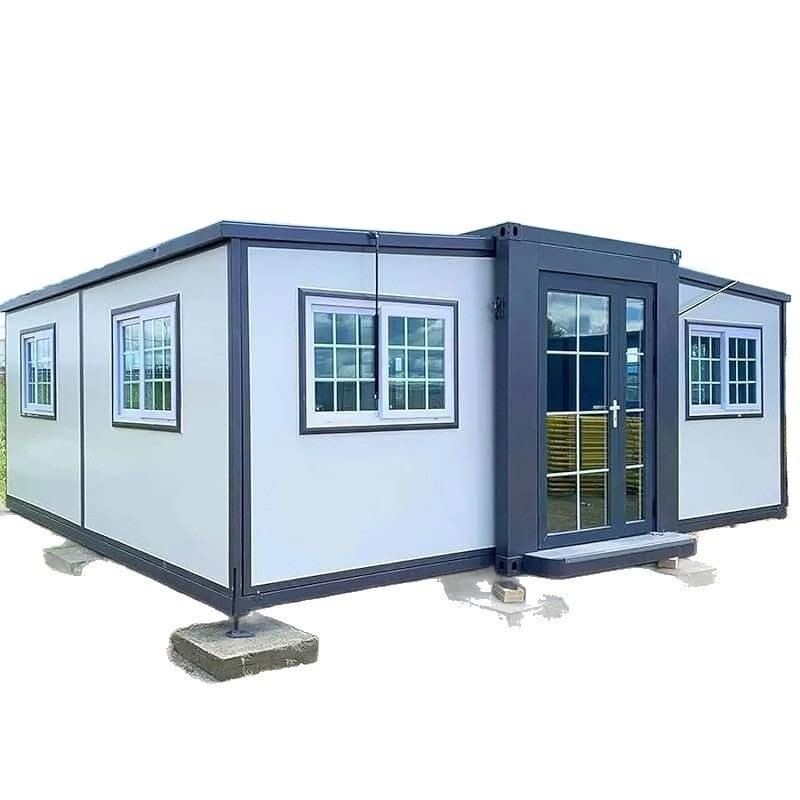
I. Basic Composition
Mobile smart toilets are generally composed of fecal sewage storage tanks (or disposal units), flooring, sanitary ware, walls, washing equipment, water tanks, roofs, and mobile units. They come in various structural forms, mobility methods, and sewage treatment approaches. For instance, some toilets equipped with fecal sewage storage tanks require regular removal and transportation of waste, while those with disposal units can achieve on-site purification, reducing reliance on the external environment.
II. Functional Features
- Flexible Space Design: Some mobile smart toilets are compact in design but fully equipped inside, integrating features such as a fecal collection system, handwashing station, smart mirror, and ambient lighting to meet basic needs while enhancing the user experience. For example, a 1.15m x 1.7m micro public toilet uses anti-slip flooring, balancing safety and practicality.
- Smart Upgrades: Some renovated public toilets incorporate smart technologies. For instance, in the case of Xicheng District's Tianqiao Street, the toilet is equipped with warm air, cool air, and fresh air systems. The accessible toilet cubicle features a fully automatic flushing and disinfecting robot for cleaning the toilet seat, and a UV disinfecting robot for cleaning the floor around the toilet, reducing manual intervention. Additionally, designs such as emergency call buttons, fall prevention radar, mosquito repellent lights, and feedback QR codes further enhance safety and service feedback mechanisms.
III. Application Scenarios
Mobile smart toilets are suitable for temporary events (such as exhibitions and sports events), tourist attractions, construction sites, and other scenarios. Their mobility addresses the issues of long construction periods and fixed locations associated with traditional public toilets. For example, factory-prefabricated toilets can be directly transported to the required location and quickly put into use, reducing construction costs.
IV. Technical Classifications
Based on sewage treatment methods, mobile smart toilets can be classified into direct discharge, packaged, and biodegradable types. Direct discharge types require connection to municipal sewage networks; packaged types store feces in replaceable containers; biodegradable types use microorganisms to decompose organic matter for resource utilization. Mobility methods include trailer-mounted and self-propelled types, adapting to different terrains and transportation needs.
By integrating modular design with smart technologies, mobile smart toilets enhance public health service levels while demonstrating eco-friendly and user-friendly design concepts.



