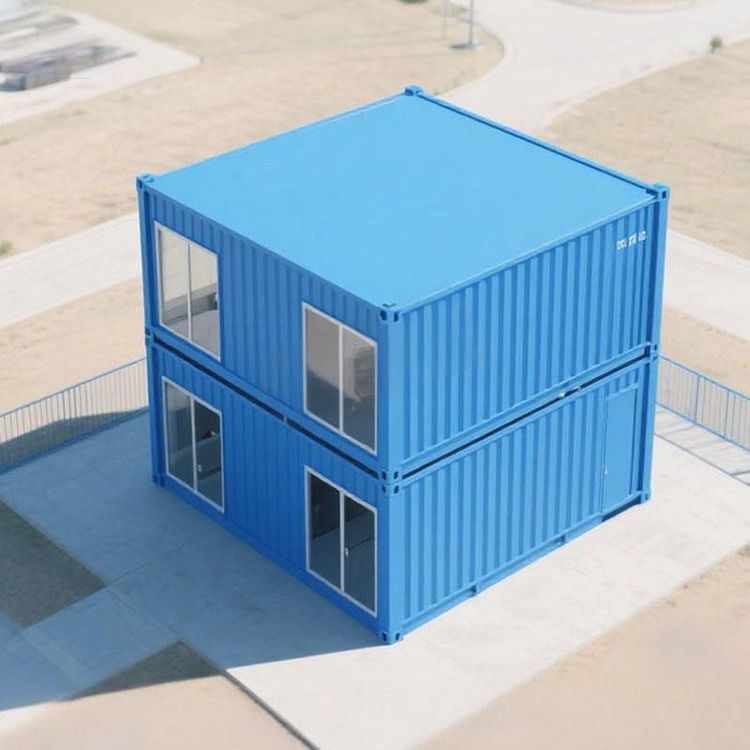
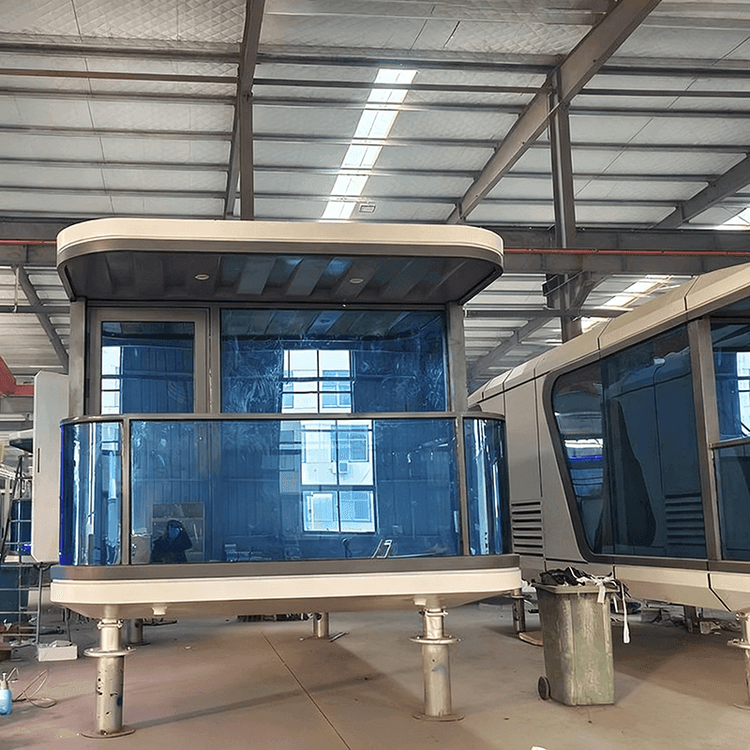
Rizhao Mobile Environmental Toilet Inspection
The inspection of mobile environmental toilets in Rizhao should be carried out around five core dimensions: structural safety, hygiene indicators, facility functionality, material environmental protection, and convenience and comfort, and a comprehensive assessment should be conducted in accordance with national and industry standards.

1. Structural Safety Inspection
Structural safety is the fundamental guarantee for mobile toilets. The inspection contents include:
- Frame Stability: Evaluate the wind and earthquake resistance of the frame through load tests to ensure no overturning or deformation occurs under extreme weather conditions.
- Floor Slip Resistance: Use a friction coefficient tester to detect the slip resistance of the floor to prevent slip and fall accidents in humid environments.
- Door and Window Lock Reliability: Check the durability and anti-theft performance of the locks to safeguard user privacy and property security.
- Foundation Bearing Capacity: Verify through static load tests whether the foundation meets the design requirements to prevent structural damage due to foundation settlement.
2. Hygiene Indicator Inspection
Hygiene conditions directly affect user experience and public health safety. The inspection focuses include:
- Air Quality: Use a gas chromatograph to monitor the concentrations of odors such as ammonia and hydrogen sulfide to ensure compliance with the limits specified in the Portable Sanitation Facility Hygiene Standards.
- Microbiological Indicators: Sample high-frequency contact areas such as toilets and washbasins to detect the total number of bacteria, coliforms, etc., and assess cleanliness.
- Sewage System Sealing: Check for leaks at pipeline connections through pressure tests to prevent sewage overflow and environmental pollution.
3. Facility Functionality Inspection
Functional integrity is a core requirement for mobile toilets. The inspection items cover:
- Flush System: Test the stability of water pressure, water-saving efficiency, and the smoothness of the sewage pipeline to ensure no blockages or incomplete flushing.
- Ventilation and Lighting: Evaluate the ventilation system's air exchange efficiency and lighting brightness distribution to meet the requirements of the Urban Public Toilet Design Standard (CJJ 14-2016).
- Accessibility Facilities: Check whether handrails, ramps, etc., comply with national standards to ensure convenience for disabled users.
4. Material and Environmental Performance Inspection
Material quality and environmental friendliness are related to the durability and environmental impact of the toilets. The inspection contents include:
- Corrosion Resistance: Verify the material's corrosion resistance through salt spray/acid-base tests to extend service life.
- Fire Resistance: Test the fire resistance limit of fireproof materials to ensure compliance with fire safety standards.
- Wastewater Treatment Efficiency: Evaluate the removal rate of pollutants such as COD and ammonia nitrogen by the purification system, as well as energy consumption management.
5. Convenience and Comfort Inspection
User experience needs to be optimized through detailed design. The inspection focuses are:
- Space Layout: Evaluate whether the internal space is reasonably arranged to avoid a cramped feeling.
- Equipment Operability: Test the operational convenience of faucets, toilets, and other equipment to reduce usage difficulty.
Inspection Basis: Compliance with regulations such as the Urban Public Toilet Design Standard (CJJ 14-2016) and the Portable Sanitation Facility Hygiene Standards, and reference to technical standards such as the Building Structural Load Standard (GB50009-2012). Third-party institutions usually use standardized methods (such as GB/T 17219-2021, ISO 30500:2018) and professional equipment (such as universal material testing machines, gas chromatographs) to complete the inspections.