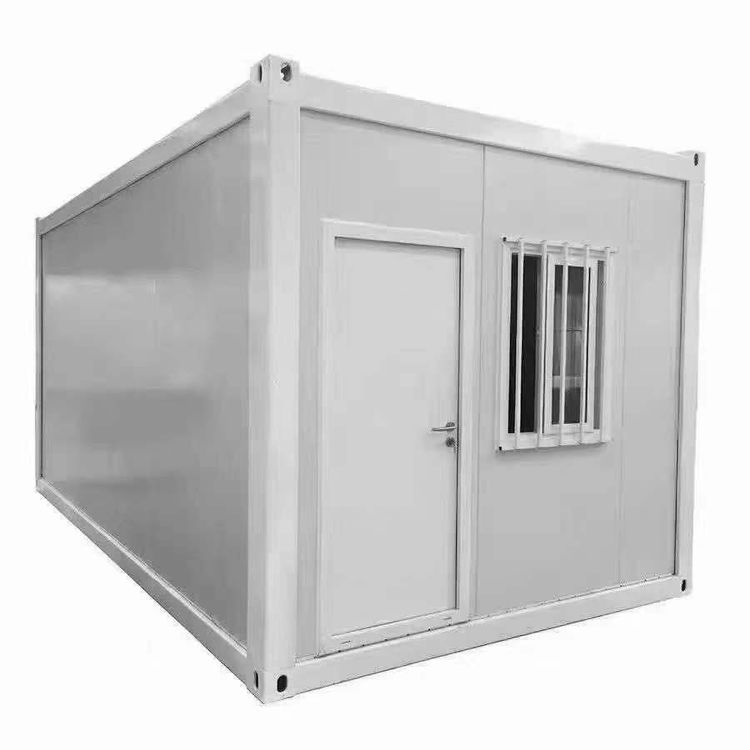
Restaurant Portable Toilet
If a restaurant needs portable toilets, it can meet temporary or mobile needs through customization or leasing, and the specific plan needs to be determined through communication with the supplier based on the site conditions.
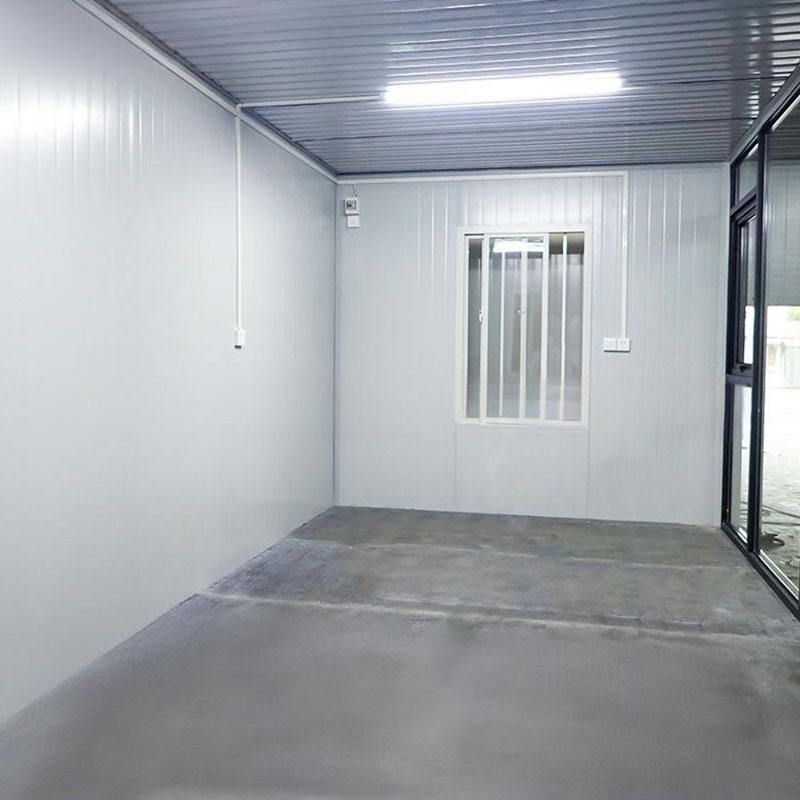
Portable toilets are suitable for a wide range of scenarios, including densely populated public places, bustling commercial streets, and temporary event venues. Their core advantages lie in portability and flexibility, allowing them to be repositioned or have facilities added or removed according to actual needs. For restaurants, portable toilets can be considered in the following situations:
- Temporary needs: For example, during large-scale outdoor events, festivals, or construction renovations, when the capacity of existing toilets is insufficient, portable toilets can be quickly deployed as supplementary facilities.
- Mobile needs: If a restaurant is located in a tourist attraction, exhibition center, or other areas with a high density of mobile populations, portable toilets can be adjusted in position according to changes in customer flow to improve service efficiency.
- Space constraints: Some restaurants, due to architectural structures or site limitations, cannot expand fixed toilets. Portable toilets can provide customized solutions, saving space costs.
The type selection of portable toilets needs to be combined with the restaurant's needs:
- Single-unit portable toilets: Suitable for scenarios with dispersed pedestrian traffic or limited space, such as the backyard or side entrance area of a restaurant. The single-toilet design is flexible and occupies a small area.
- Modular portable toilets: Multiple toilet units can be formed through modular assembly and equipped with facilities such as sinks and hand dryers. They are suitable for the main entrance or event areas of restaurants with high customer traffic.
Customization and leasing services are key links:
- Suppliers (such as local enterprises in Yangquan) can provide customization services for dimensions, layouts, and functional configurations, such as adding barrier-free facilities, children's dedicated toilet units, or smart sensing systems.
- The leasing model is suitable for short-term needs and can reduce initial investment costs; the sales model is suitable for long-term use or high-frequency scenarios, and maintenance and update costs need to be considered.
The implementation steps include:
- Evaluate site conditions (such as area, drainage, and power supply);
- Communicate needs with the supplier to determine the type, quantity, and functions of the toilets;
- Sign a contract and clarify service details (such as transportation, installation, and cleaning);
- Conduct regular maintenance to ensure hygiene and normal operation.
Through reasonable planning, portable toilets can become an effective tool for restaurants to improve service quality.