Design of Mobile Toilets in Residential Areas
The design of mobile toilets in residential areas should balance flexibility, convenience, environmental protection, and practicality. The core design features and implementation paths are as follows:

I. Structural and Functional Design: Combining Lightweight and Modular Approaches
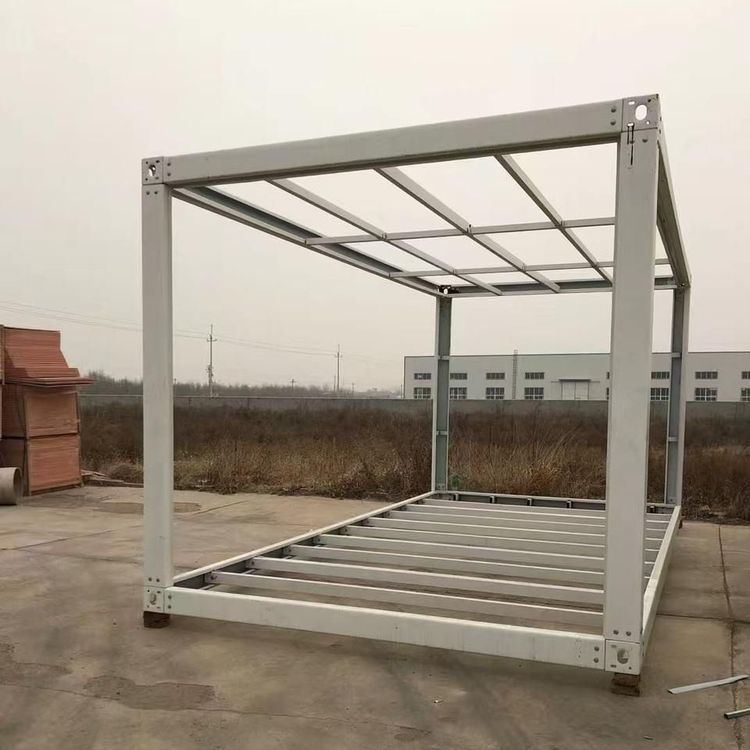
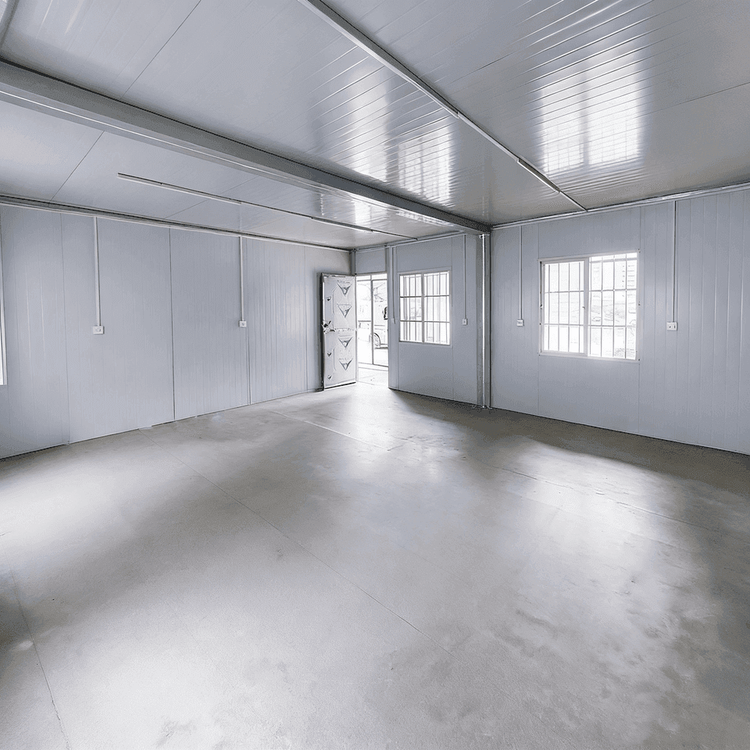
The main body of the mobile toilet is constructed using lightweight yet high-strength materials such as fiberglass-reinforced plastic and polyethylene, ensuring structural robustness while reducing transportation costs. The internal layout is primarily modular, with classic configurations like "4 squatting positions + a management room" that can be flexibly adjusted in terms of the number of squatting positions or the addition of barrier-free facilities. Basic configurations include ceramic squatting toilets, flush tanks, exhaust fans, and ceiling lights. Some designs expand internal space through external steps, enhancing user comfort. The modular design enables rapid assembly and disassembly, making it suitable for temporary events in residential areas, construction sites, and other scenarios.
II. Environmental Protection Technology Innovations: From Water Conservation to Resource Recycling
Water-Saving and Waterless Technologies
- Vacuum Suction Technology: Utilizes a negative pressure system to quickly remove waste, consuming less than one-tenth of the water used by traditional toilets per flush, significantly reducing water consumption.
- Microbial Degradation Technology: Employs specific microbial communities to decompose waste into carbon dioxide, water vapor, and harmless residues, enabling "zero-flush" operation and avoiding sewage discharge.
- Foam Sealing Technology: Covers the toilet bowl with a layer of foaming liquid to block odors and reduce splashing, with extremely low water consumption, suitable for water-scarce environments.
Waste Resource Utilization
- Small Integrated Treatment System: Integrates physical filtration and biological fermentation processes to convert waste into compliant reclaimed water, which can be used for greening irrigation or road cleaning in residential areas.
- Organic Composting-Oriented Design: Microbial degradation products can be directly used as raw materials for garden compost, forming a closed-loop cycle of "waste-fertilizer-vegetation."
Energy Self-Sufficiency
- Solar Integration System: Photovoltaic panels are installed on the roof to power lighting, ventilation, and other equipment, reducing reliance on the municipal power grid and lowering operational costs.
III. Design Principles and Optimization Directions: Balancing Practicality and Sustainability
The design should adhere to the principles of "mobility, cost-effectiveness, durability, and environmental friendliness," strictly controlling height (usually not exceeding 2.5 meters) and width (compatible with standard transportation vehicles) to ensure passage through narrow residential area roads. Addressing the pain points of traditional mobile toilets (such as high water consumption and chemical pollution), technological innovations are employed to achieve energy conservation and emission reduction. For example, microbial degradation technology replaces chemical deodorizers, reducing secondary pollution. These toilets are particularly suitable for renovation of old residential areas, temporary gatherings, and emergency scenarios, quickly弥补 (making up for) the insufficient layout of fixed public toilets and improving community environmental quality.
Through material optimization, technological integration, and modular design, mobile toilets in residential areas have evolved from single-function facilities into environmentally friendly public service terminals, providing sustainable solutions for urban micro-renewal.