
Rescue Integrated Container House
Rescue integrated container houses are a type of building form that plays a crucial role in emergency rescue scenarios, featuring rapid construction, flexible combination, and good fire resistance, although some may have potential safety hazards.
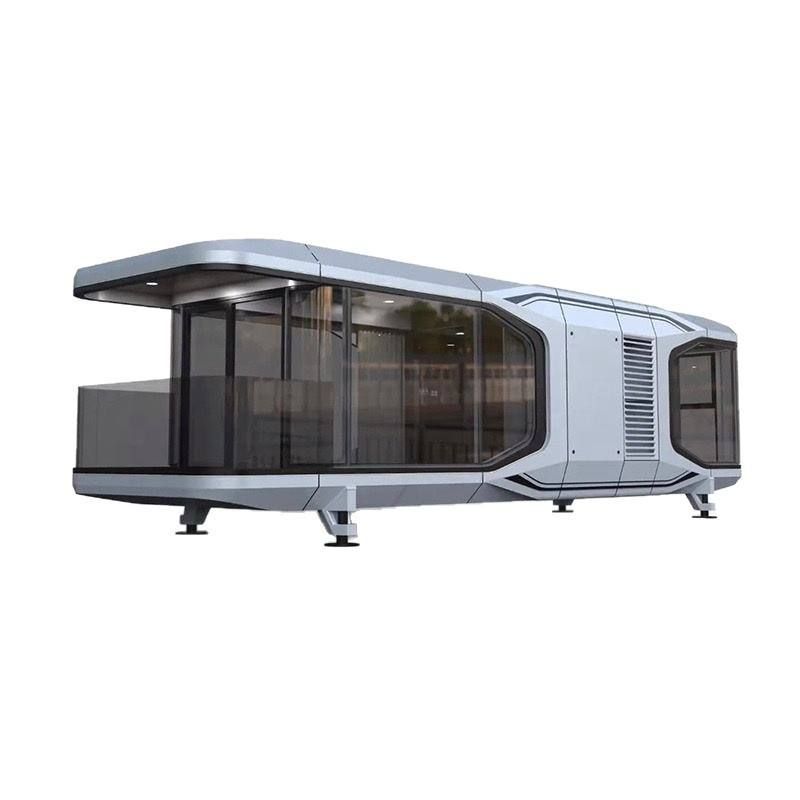
Rapid Construction: Rescue integrated container houses can be quickly erected in a short period after a disaster. For example, during the 2008 Sichuan earthquake and the 2010 Yushu earthquake, Chengdong's integrated houses were rapidly transported to the affected areas and a batch of temporary shelters were set up within just a few hours, providing timely protection from the elements for the affected people and effectively alleviating the post-disaster housing shortage.
Flexible Combination: These houses can be combined according to actual needs, using modules of different specifications and functions to create diverse spaces. For instance, during the SARS and COVID-19 pandemics, by flexibly combining integrated houses, fully functional temporary medical facilities were constructed, including isolation wards and treatment rooms, meeting the special needs of epidemic prevention and control.
Good Fire Resistance: Some container houses are made with rock wool boards and fireproof cotton as fillers, achieving a fire resistance rating above Class A and meeting fire safety requirements. For example, emergency relief packing container houses, quick-assembly container houses for temporary accommodation, and Chengdong's integrated houses provided strong fire protection guarantees for the smooth progress of rescue work in the Tonga volcanic eruption aid project.
Wide Range of Application Scenarios: Rescue integrated container houses are not only commonly used as workers' dormitories on construction sites but also serve as field operation houses, office buildings, temporary houses for tourist attractions, rental houses, emergency medical facilities, and post-disaster emergency buildings.
Potential Safety Hazards to Note: Some temporary houses on construction sites and illegal buildings of some enterprises use flammable materials such as polystyrene and polyurethane foam as core materials to save costs, posing numerous fire safety hazards, such as rapid combustion, extremely fast spread of fire, easy collapse, and highly toxic combustion products. These increase the difficulty of firefighting and rescue operations and make it harder for trapped people to survive, leading to a higher likelihood of casualties.



