Advantages of Well-Reputed Mobile Toilets
Well-reputed mobile toilets offer multiple advantages, including strong mobility, flexible treatment methods, a small footprint, environmental friendliness, and high cost-effectiveness.

1. Strong Mobility, Adapting to Site Changes
The core advantage of mobile toilets lies in their mobility, enabling them to be quickly relocated according to site requirements, especially suitable for temporary events, construction sites, or scenarios requiring frequent relocation. This flexibility avoids the resource waste caused by the demolition of traditional fixed toilets and reduces the long-term cost of land occupation.
2. Diverse Treatment Methods, Suitable for Different Environments
Mobile toilets can select appropriate treatment technologies based on the limitations of the usage environment, such as biodegradation, chemical treatment, or direct connection to municipal sewage networks. This diversity enables them to meet the needs of densely populated urban areas as well as adapt to usage conditions in remote areas or sites without infrastructure.
3. Small Footprint, Low Land Dependency
Compared to traditional fixed toilets, mobile toilets significantly reduce their footprint and have lower dependency on land resources. Their compact design is particularly suitable for urban areas with limited land resources and reduces damage to the natural environment.
4. Environmentally Friendly Materials and Recycling
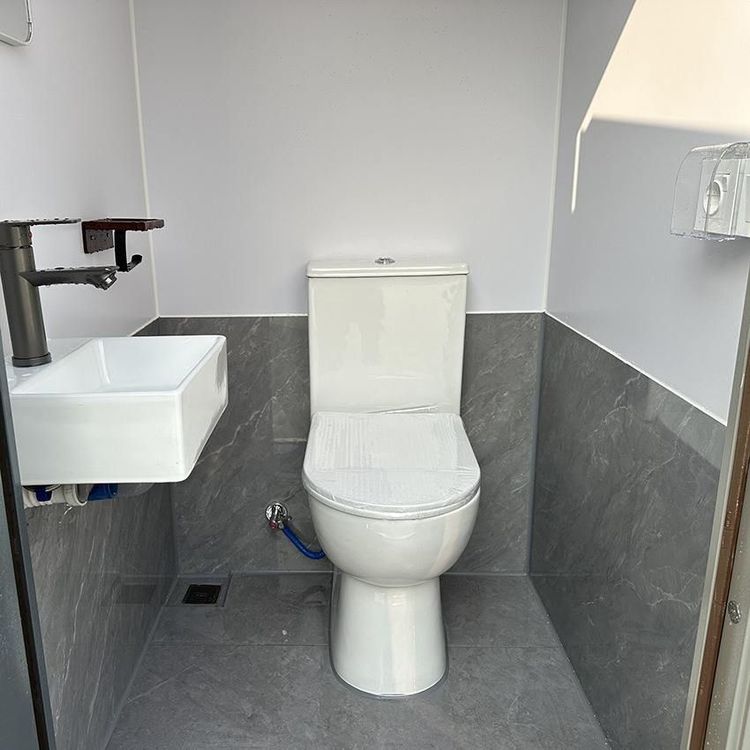
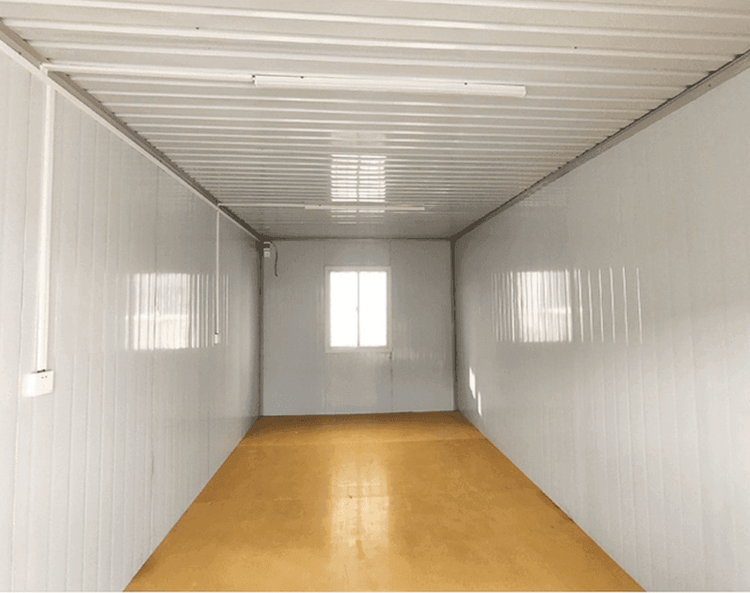
The overall framework of mobile toilets is mostly made of steel materials, which not only have recycling value but also reduce the environmental burden during long-term use. Some models use reinforced clean-grade EPS panels for walls, with large fecal storage tanks and minimal odor, further reducing pollution to the surrounding environment.
5. Simplified Approval Process and Efficient Construction
The construction of mobile toilets does not require complex foundation works, and the approval process is relatively simplified, with a short construction period (usually put into use within one month), while traditional civil engineering toilets require 3-6 months. Additionally, on-site construction does not produce dust or other pollution, meeting the requirements of green construction.
6. Strong Applicability, Solving Special Terrain Challenges
In areas with complex terrain or limited conditions (such as mountainous areas or wetlands), traditional civil engineering toilets are difficult to construct, while mobile toilets can be quickly deployed through modular design, effectively solving toilet needs in special scenarios.
7. Diverse Appearances, Enhancing Urban Image
The exterior design of mobile toilets breaks away from the monotony of traditional toilets, offering a variety of stylish options that can blend into the urban landscape or enhance the quality of temporary facilities.
8. High Cost-Effectiveness, Low Long-Term Costs
Although the initial investment may be slightly higher than that of simple toilets, the durability, low maintenance costs, and reusability of mobile toilets make their overall cost-effectiveness significantly better than that of traditional toilets, especially suitable for scenarios with limited budgets or short-term usage needs.