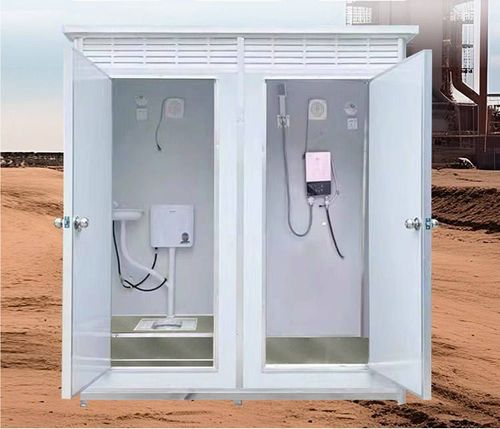
Accounting Entry for Rental of Mobile Toilets
The accounting entry for the rental of mobile toilets should be determined based on the specific circumstances of the enterprise and the nature of the lease, with the core principle being to classify accounting items based on actual usage and lease type.

1. Classification by Usage Scenario
Daily Office or Non-Project Usage
If mobile toilets are used for non-productive scenarios such as daily office work or administrative activities, the related rental expenses should be recorded under administrative expenses. For example, real estate companies renting temporary mobile toilets for employees during the construction period, or ordinary companies configuring mobile toilets for office premises, should directly allocate these expenses to the administrative expenses account. This treatment aligns with the principle of matching expenses with benefits, as the rental activity does not directly participate in production or project implementation.Project-Specific Usage
If mobile toilets are exclusively used for specific projects (e.g., construction sites, temporary work sites), the rental expenses should be recorded under project costs. For example, if a construction company rents mobile toilets for a bridge project, the expenses should be treated as direct project costs and accounted for through the "construction in progress" or "work in progress" accounts. This treatment ensures that project costs accurately reflect actual resource consumption.
2. Differentiation by Lease Type
Operating Lease
If the lease contract meets the characteristics of an operating lease (e.g., short lease term, no risk of ownership transfer), the lessee only needs to recognize the current rental expenses in the income statement without capitalization. For example, if a company pays monthly rent for mobile toilets, the expenses should be directly recorded under administrative expenses or project costs based on the period of occurrence, without adjusting the balance sheet.Finance Lease
If the lease contract meets the criteria for a finance lease (e.g., lease term constitutes a substantial portion of the asset's life, existence of a bargain purchase option), the lessee should recognize a right-of-use asset and a lease liability in accordance with the Accounting Standards for Business Enterprises. Specific operations include:- At initial measurement, recognize the right-of-use asset and lease liability based on the present value of lease payments;
- During subsequent measurement, depreciate the right-of-use asset (recorded under relevant expense accounts) and accrue interest expenses on the lease liability (recorded under financial expenses).
This treatment is more complex but provides a more accurate reflection of the enterprise's long-term assets and liabilities.
3. Special Industry Considerations
Some industries may have specific classifications for mobile toilets (e.g., "temporary facilities" in the construction industry, "mobile service facilities" in the service industry), but the allocation of rental expenses should still be based on actual usage. For example, if a construction company rents mobile toilets for a construction site, even if industry regulations require recording them under "temporary facilities," their essence still falls within the scope of project costs and should be accounted for uniformly with materials, labor, and other costs. Enterprises should ensure that their accounting treatment complies with industry practices and accounting standards while maintaining logical consistency.