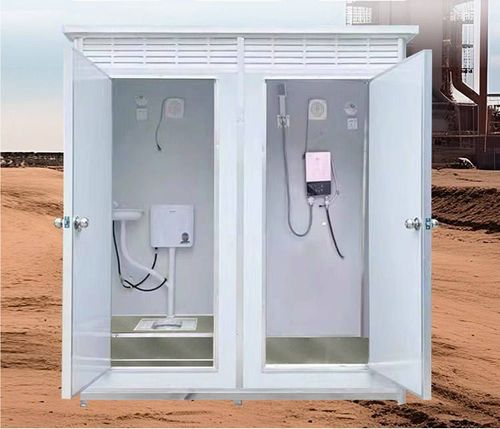
Accounting Treatment for Rental of Mobile Toilets
The accounting treatment for renting mobile toilets requires determining accounting subjects based on actual usage, while tax treatment involves declaring relevant taxes under the 'operating lease' tax item. The specific handling methods are as follows:

Accounting Subject Handling
Usage for Administrative Management Activities
If the mobile toilet is used for daily administrative activities such as at the company headquarters or administrative departments, the rental expense should be recorded under the 'administrative expenses' subject. For example, if a company pays a monthly rent of 1000 yuan for a mobile toilet, the accounting entry is:
Debit: Administrative Expenses - Rental Expenses 1000 yuan
Credit: Bank Deposit/Accounts Payable 1000 yuan
Such expenses are typically directly recorded as current expenses when incurred and do not require amortization.Usage for Production Workshops
If the mobile toilet serves production workshops (e.g., for temporary rest or sanitation for workers), the rental expense should be recorded under the 'manufacturing expenses' subject. For example, if a workshop pays a monthly rent of 800 yuan, the accounting entry is:
Debit: Manufacturing Expenses - Rental Expenses 800 yuan
Credit: Bank Deposit/Accounts Payable 800 yuan
Manufacturing expenses need to be allocated to product costs using a certain method (e.g., labor hour ratio), ultimately affecting inventory value.Usage for Sales Departments
If the mobile toilet is used by sales departments (e.g., at exhibitions or promotional event sites), the rental expense should be recorded under the 'sales expenses' subject. For example, if the sales department pays a temporary event rent of 500 yuan, the accounting entry is:
Debit: Sales Expenses - Rental Expenses 500 yuan
Credit: Bank Deposit/Accounts Payable 500 yuan
Such expenses are directly related to sales activities and are typically recorded as current expenses when incurred.Usage for Long-term Investments or Strategic Reserves
If the mobile toilet is rented for long-term projects (e.g., temporary facilities at construction sites) or strategic reserves, the expense should be amortized through the 'long-term prepaid expenses' subject. For example, if a company signs a 2-year lease contract with a total rent of 24000 yuan, the accounting entries are:
At Payment: Debit: Long-term Prepaid Expenses - Rental Expenses 24000 yuan
Credit: Bank Deposit 24000 yuan
Monthly Amortization: Debit: Administrative Expenses/Manufacturing Expenses, etc. 1000 yuan
Credit: Long-term Prepaid Expenses - Rental Expenses 1000 yuan
The amortization period should be determined based on the lease contract or actual usage period.
Supplementary Tax Treatment
Renting mobile toilets falls under the 'operating lease' tax item, and the lessor is required to pay the following taxes based on rental income:
- Property Tax: If the mobile toilet is classified as real estate (e.g., a fixed toilet), the lessor is required to pay property tax at 12% of the rental income; if it is not classified as real estate (e.g., a movable toilet), no property tax is required.
- Stamp Duty: The lease contract is subject to stamp duty at a rate of 0.1% of the contract amount. For example, if the annual rent under the contract is 12000 yuan, the stamp duty payable is 12 yuan.
- Income Tax: If the lessor is a company, the rental income is included in taxable income and subject to corporate income tax at a rate of 25%; if the lessor is an individual, the rental income is subject to personal income tax at a rate of 20% under the 'property rental income' item (with preferential tax rates available in some regions).
Note: Accounting treatment should be combined with the terms of the lease contract (e.g., lease period, usage) and the company's accounting policies, while tax treatment should be based on the regulations of the local tax authorities.