
Rental of Mobile Smart Toilets
Rental of mobile smart toilets is a service model that obtains temporary usage rights of movable sanitation facilities through commercial agreements. Its core lies in meeting sanitation needs in temporary or mobile scenarios through modular design, while integrating intelligent technologies to enhance user experience and management efficiency. The following elaborates on this from three aspects: service types, technical construction, and rental mechanisms.
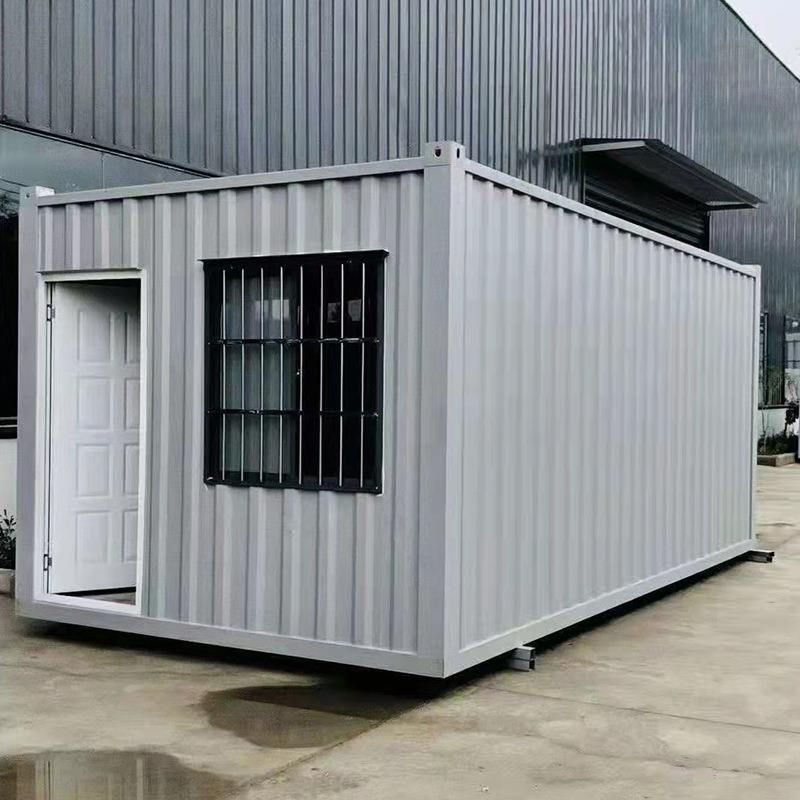
I. Service Types and Price Differences
The rental services for mobile smart toilets exhibit diverse characteristics, with prices significantly influenced by functional configurations and regional markets. For example, Beijing Jindongfang Environmental Landscape Engineering Co., Ltd. offers types such as urban smart toilets, energy-saving and water-saving mobile public toilets, and water-circulating mobile toilets, with price ranges from 10,000.0 yuan to 12,500.0 yuan, suitable for urban public event scenarios with high foot traffic. Merchants in Kunming provide customized services, allowing color selection (such as gray, blue, and red) within 48 hours, with standardized products measuring 1.2×1×2.4 meters and starting rental prices of 460.00 yuan per set, covering cross-regional demands including Beijing. These differences reflect the impact of functional complexity (e.g., water circulation systems) and customization levels on costs.
II. Technical Construction and Functional Realization
The essence of mobile smart toilets is an integrated functional unit, with its basic construction comprising three core modules:
- Water Storage Device: Achieves flushing functionality through an independent water pump, with some models equipped with water circulation systems to reduce water consumption;
- Sewage Storage Tank: Employs biodegradation or chemical treatment technologies to convert excreta into harmless substances, preventing direct discharge pollution;
- Air Circulation System: Combines physical isolation with ventilation equipment to suppress odor diffusion, with some high-end models equipped with air purification devices.
The collaborative operation of these modules enables maintenance of sanitation standards in scenarios without fixed infrastructure, such as outdoor music festivals, construction sites, or disaster emergency areas.
III. Rental Mechanisms and Contract Management
Rental services rely on supply-demand matching systems for operation. Service providers need to calculate the required number of facilities and layout plans based on event scale, duration, and foot traffic data. For example, large-scale exhibitions may require the configuration of 50 units with a grid-based distribution, while small community events may only need 5 units placed centrally. Contract terms typically cover equipment configuration standards (e.g., whether air conditioning is included), maintenance frequency (e.g., daily cleaning times), emergency response procedures (e.g., equipment failure response times), etc. The payment structure is calculated based on a combination of equipment quantity and usage period, including transportation and installation costs (accounting for 20%-30% of total expenses), daily maintenance costs (e.g., consumable replenishment), and equipment depreciation costs (amortized based on usage duration). Some service providers also offer 'all-inclusive' services, integrating all costs into a single rate to simplify client management processes.
You may also like

Portable Toilet Rental for Construction Sites: What to Consider
Read More
Portable Toilet Rental Price Guide: Budget, Mid-Range & Premium
Read More
Portable Toilet Color Steel: A Practical Buyer's Guide
Read More