
Portable Toilets for Rental Houses
When considering the use of portable toilets in rental houses, it is essential to take into account actual needs, site conditions, and budget. Rental services are available in some areas, but attention should be paid to applicability and cost issues.
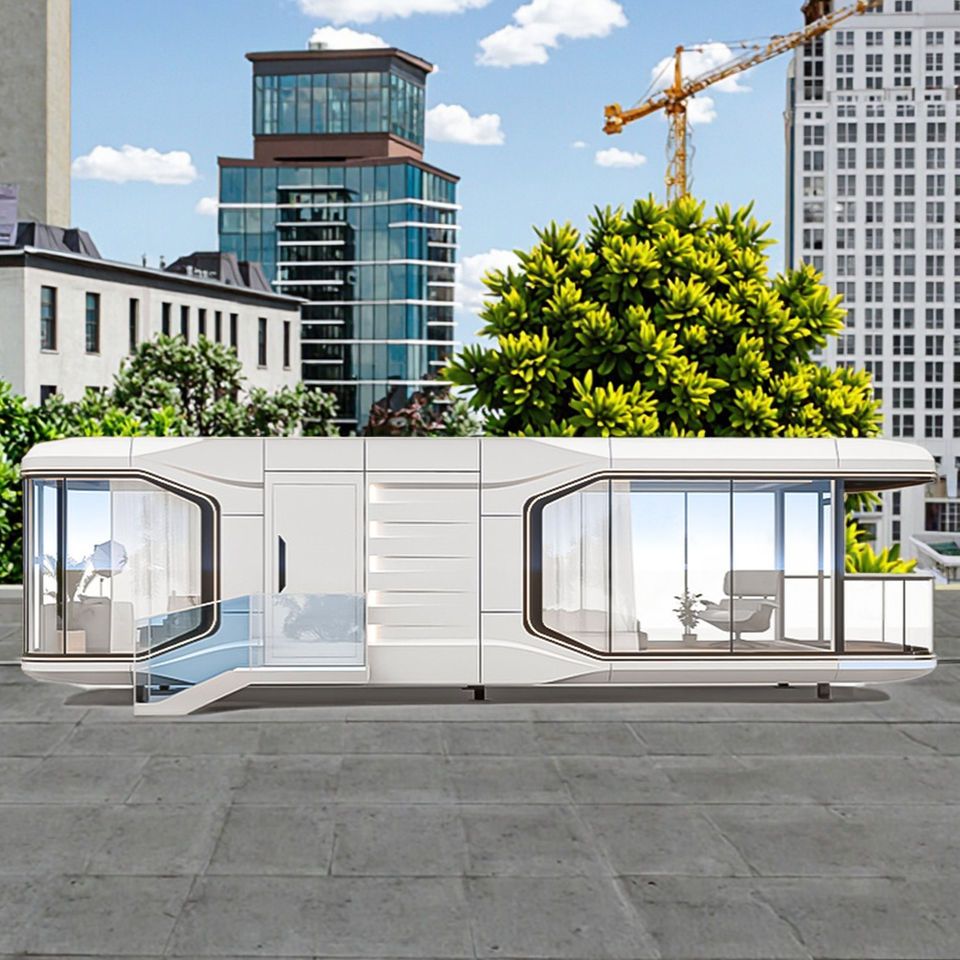
Common Application Scenarios of Portable Toilets and Their Suitability for Rental Houses
Portable toilets are typically used in temporary and highly mobile settings, such as outdoor events, construction sites, and exhibition venues. Their key advantages include the lack of a need for connection to water supply and drainage pipes, easy installation, and the ability to be placed on flat ground for use. For rental houses, if the property lacks an independent bathroom or if adding a fixed toilet is not feasible due to limited space or high renovation difficulty, portable toilets can serve as a temporary solution. However, it should be noted that rental houses are generally for long-term occupancy, and portable toilets may have weaker sealing, ventilation, and odor control capabilities compared to fixed toilets. Long-term use may affect the living experience, so careful evaluation is necessary.
Rental Prices and Selection of Portable Toilets
The rental prices of portable toilets vary significantly depending on type, configuration, and region. For example, in Wuhan, there was once a rental service for simple portable toilets at 6 yuan per day (including delivery), while high-end models (such as those with air conditioning and independent sewage systems) can cost several hundred yuan per day. Long-term rentals (such as monthly or yearly) may be cheaper. Common rental price ranges include 1900 yuan per month, 2000 yuan per month, 3800 yuan per month, and even higher-configured models can cost more than 15,000 yuan per year. Users of rental houses should choose based on their budget: if only short-term emergency use is needed, low-cost simple models can be prioritized; if long-term use is required, cost and comfort should be balanced to avoid additional expenses from frequent replacement or maintenance.
Placement and Usage Precautions for Portable Toilets
The placement of portable toilets should meet basic conditions: flat ground, good ventilation, and being away from living areas such as bedrooms and kitchens to reduce odor impact. If the rental house has limited space, dimensions should be measured in advance to ensure that the toilet door can open and close normally and that there is sufficient activity space inside. Additionally, attention should be paid to the sewage disposal method: some portable toilets use a fecal storage tank design and require regular cleaning; high-end models may be connected to a septic tank or municipal sewage system, but it is necessary to confirm whether such modifications are allowed in the rental house's area. Long-term use also requires consideration of water and electricity supply issues, such as whether additional power connections or water tanks are needed.
Alternative Solution Suggestions
If the applicability of portable toilets is limited, users of rental houses can consider other options: such as negotiating with the landlord to add a fixed bathroom (if the house structure allows), using public bathrooms (if there are community or commercial facilities nearby), or choosing portable toilets (which require regular disposal of waste). These options may be more cost-effective, convenient, and provide a better living experience, and a comprehensive decision should be made based on the actual situation.



