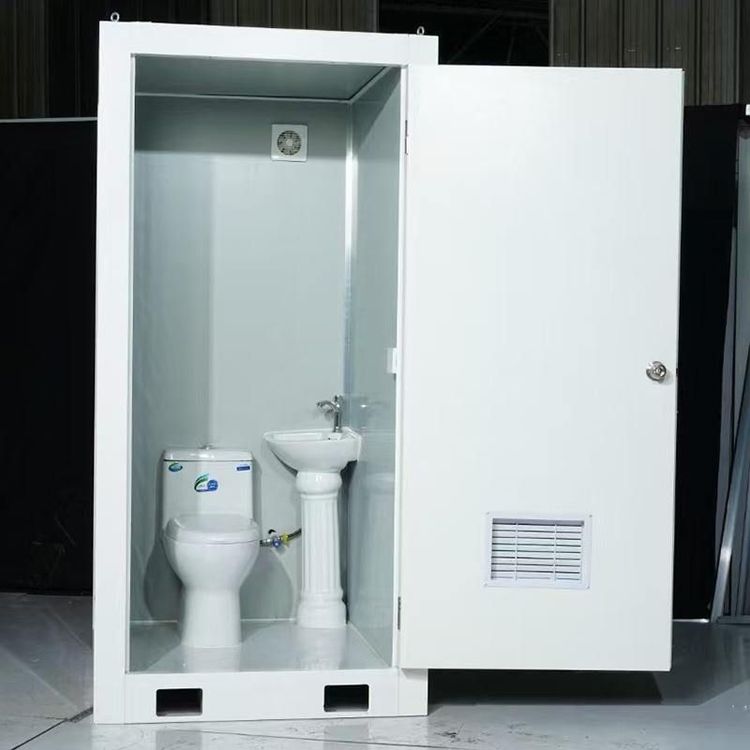
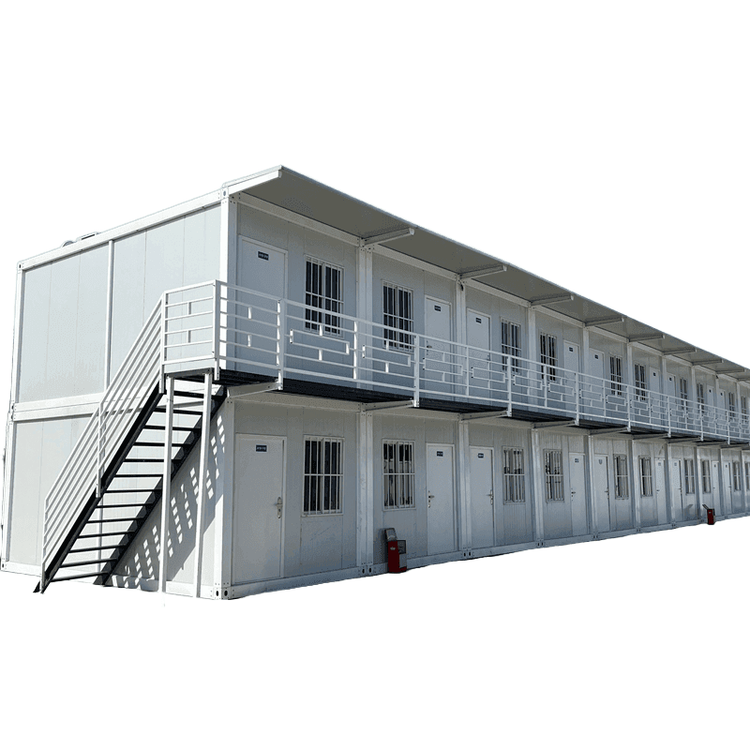
Rent Container-Style Mobile Housing
When renting container-style mobile housing, it is essential to focus on structural performance, cost-efficiency, and service adaptability. Here is a detailed analysis:

I. Structural Performance and Safety
Container-style mobile housing uses standard containers as carriers, which are transformed into independent office or living units after modification. Their core advantages lie in structural robustness and disaster resilience. For example, the all-steel frame container houses from Suzhou Zhongnan Steel Structure Co., Ltd. have been tested by third parties to meet wind resistance standards of up to Level 12 and seismic intensity of 8 degrees, with a frame deformation rate of only 0.2%. They comply with the GB50009-2012 building structural load code and are suitable for coastal areas prone to typhoons or construction sites with complex geological conditions. In contrast, non-standard, unbranded products may lack certification and could experience frame deformation or wall cracking in winds of Level 8, leading to rework costs as high as 60% of the unit cost and project delays. Therefore, choosing certified compliant products is crucial for ensuring safety and cost-effectiveness.
II. Cost-Efficiency and Flexibility
The cost advantages of container houses are reflected in transportation, storage, and reusability. Take the foldable containers from Suzhou Zhongnan Steel Structure Co., Ltd. as an example. When folded, their volume is only one-fifth of their expanded state, allowing 20 units to be loaded onto a standard freight truck, reducing transportation costs by 40%. During storage, they can be stacked up to 8 layers high, increasing space utilization by 60%, making them ideal for short-term turnover or frequent relocation scenarios. Additionally, installation efficiency directly affects project timelines: Suzhou Zhongnan's quick-assembly container units require only 2 hours for single-unit installation, enabling a 100-unit camp to be operational within 7 days, compared to 10-12 days for competitors, resulting in significant time cost differences. For time-sensitive scenarios like pop-up commercial stores, pre-installed customized interiors can further reduce setup time to 2 days, 3 days faster than the industry average.
III. Service Adaptability and Added Value
The flexibility of leasing services and after-sales support are key considerations. Some suppliers offer short-term and long-term leasing options and allow mid-lease size changes to meet the dynamic needs of engineering units. Transportation and lifting services are handled by professional teams to prevent ground damage and enhance safety. In terms of after-sales service, brands like Falilai provide 5-year waterproof warranties, lifetime quality maintenance, and buyback services to alleviate customer concerns. Furthermore, customized design capabilities can meet the personalized needs of brand exhibitions, cultural and creative parks, and other scenarios, such as the application of glass curtain walls and wood-grain finishes, balancing functionality and visual appeal.