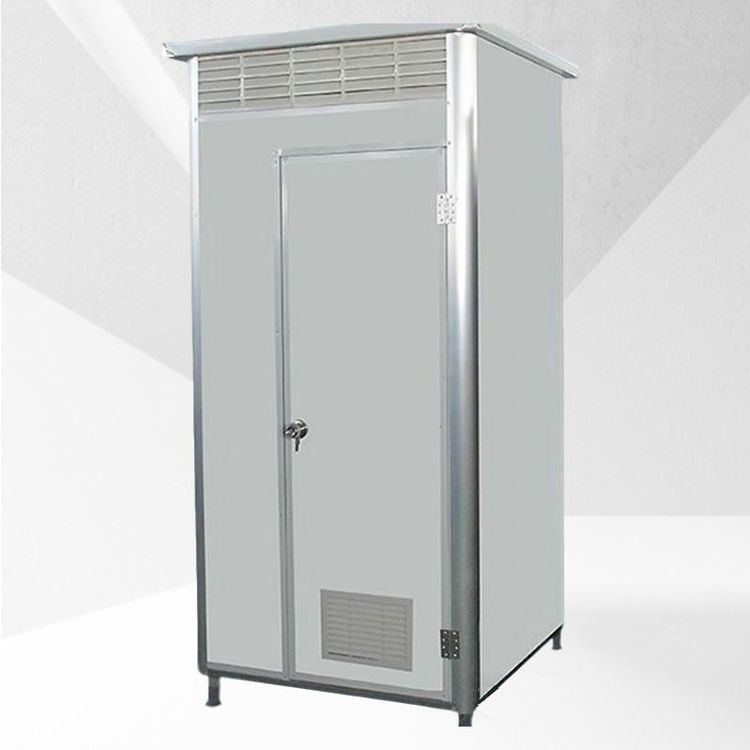
Renovation of Mobile Toilets
There are various ways to renovate mobile toilets, and appropriate plans can be selected according to different scenarios and needs. The following introduces specific renovation methods from three scenarios: rural areas, scenic parks, and the reuse of waste items.
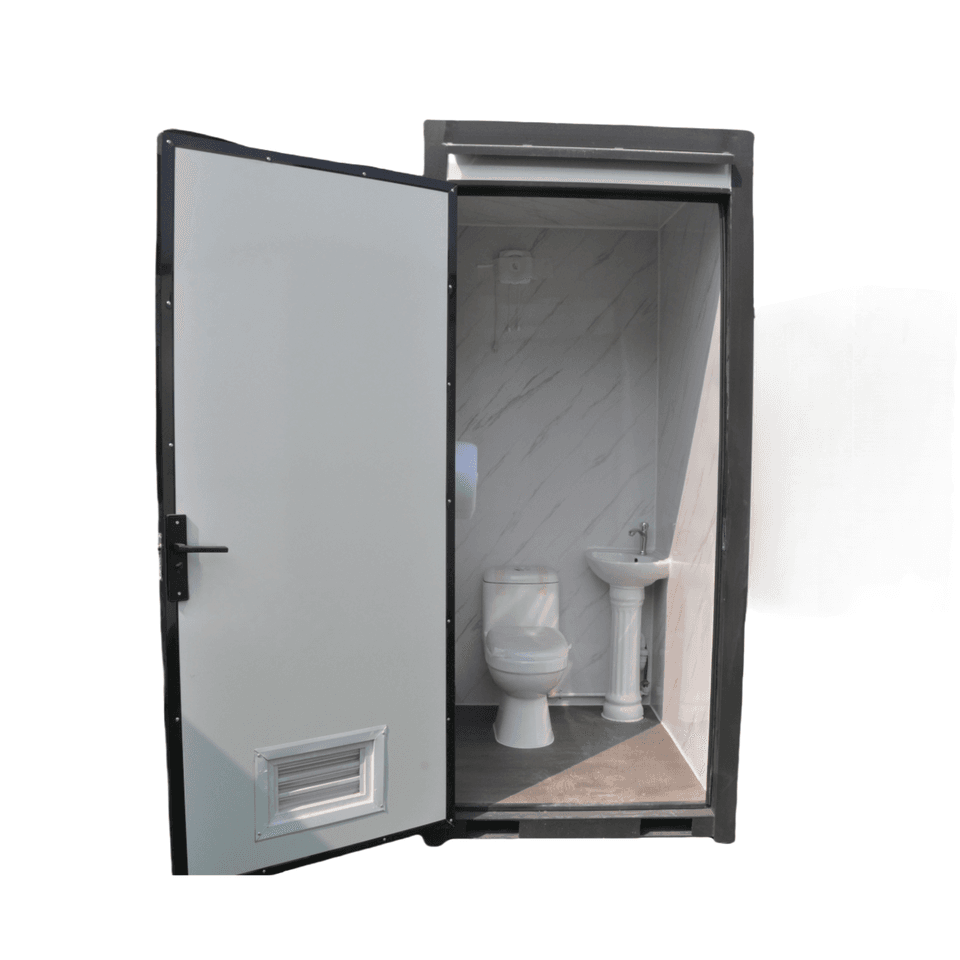
Rural Scenario: The renovation of mobile toilets in rural areas needs to balance safety, comfort, and practicality. Aluminum checkered plates and stone-like designs are common solutions. Aluminum checkered plates have anti-slip and corrosion-resistant properties and can be laid on the ground or walls to reduce the risk of slipping. Stone-like designs simulate the texture of natural stone through veneer materials, enhancing visual aesthetics while avoiding the drawbacks of stone, such as easy water penetration and difficulty in cleaning. The combination of the two can meet the durability requirements of the rural environment and improve the poor sanitary conditions of traditional dry toilets.
Scenic Park Scenario: Mobile toilets in scenic parks need to meet the demands of high foot traffic and easy maintenance, with size and material selection being crucial. For example, a modular structure with a width of 3 meters, a length of 6 meters, and an area of 18 square meters can be designed for easy transportation and assembly. The exterior walls can use metal insulated carved panels, which have both heat insulation and fire prevention functions, and the carved patterns can be integrated with the cultural elements of the scenic area. The door can be a single-opening colored aluminum glass door, which ensures lighting and enhances transparency. In addition, the interior can be equipped with sensor faucets, odor-proof floor drains, and other facilities to enhance the user experience.
Reuse of Waste Items Scenario: A renovation method that combines environmental protection and creativity is more cost-effective. Using waste plastic buckets as the core material, mobility can be achieved by adding universal wheels. Aluminum plates are used to reinforce the frame, and the door panels can be made of lightweight wooden boards or plastic boards. Standard hardware parts are selected for floor drains and valve switches. During renovation, attention should be paid to sealing treatment, such as applying waterproof glue at the joints of the bucket body to prevent leakage. Waterproof floor mats can be laid inside to enhance comfort. Such plans are suitable for temporary events or household backups, with low costs and the ability to be disassembled and reused.
When renovating, it is necessary to weigh functionality, cost, and aesthetics according to actual needs. For example, rural scenarios focus more on durability, scenic areas need to highlight cultural integration, and waste renovation emphasizes environmental protection and flexibility.