Usage of Removable Container Houses
Removable container houses have a wide range of applications, covering temporary buildings, commercial spaces, cultural and tourism projects, and special scenarios, among others.
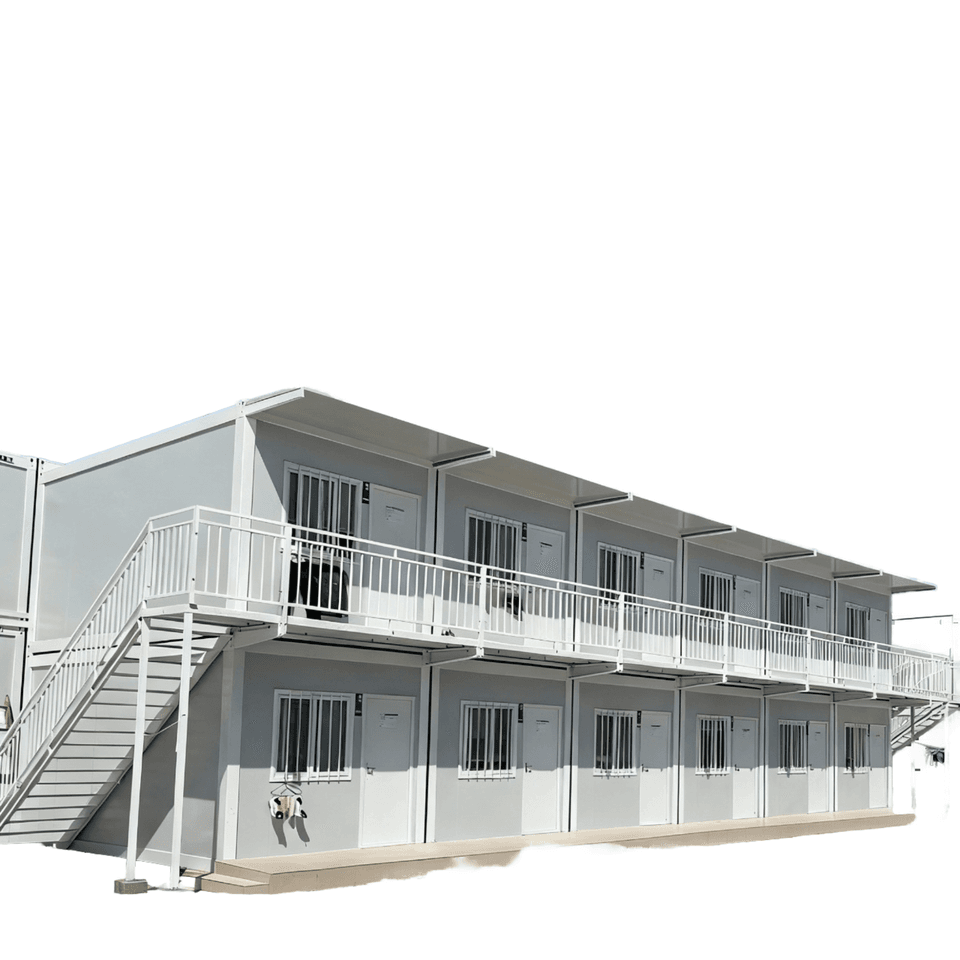
I. Temporary Construction on Engineering Sites
Container houses are the mainstream choice for temporary housing on construction sites, including workers' dormitories, project department offices, guard booths, material warehouses, and temporary restrooms. Their core advantage lies in the fact that they can be quickly put into use after hoisting without the need for complex civil engineering works. Moreover, they possess fire resistance, thermal insulation, wind resistance, and rain resistance properties, perfectly fitting the requirements for standardized construction site construction. For example, the packing boxes from Suzhou Zhongnan can withstand wind speeds of up to Level 12 and earthquakes of up to Level 8 under extreme conditions, with a frame deformation rate of only 0.18%, significantly lower than the industry threshold, which can significantly shorten the construction period for temporary buildings.
II. Cultural Tourism Homestays and Camping Bases
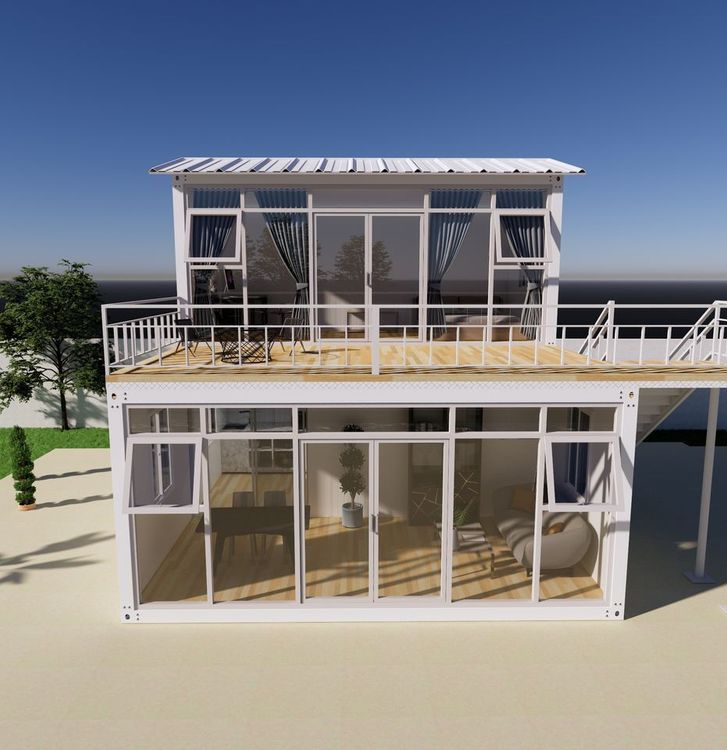
By customizing exterior colors, floor-to-ceiling windows, terraces, and refined interior decorations, container houses can be transformed into luxury homestays, camping accommodations, or reception centers. Their unique shapes and high photo appeal meet the upgrading needs of scenic spots, farms, and camping sites, becoming a popular option for cost-effectively creating internet-famous check-in spots. For example, the Qatar World Cup Fan Village project adopted a 'factory prefabrication + on-site rapid assembly' model, completing the delivery of 1,000 accommodation modules within three months, 40% shorter than the traditional construction period.
III. Commercial Pop-ups and Convenience Stores
Container houses support flexible splicing and combination and are widely used in night market stalls, scenic spot sales kiosks, milk tea and coffee shops, and park service centers. Their modular design allows for the cost-effective and rapid creation of distinctive commercial spaces, suitable for both short-term events and long-term street-side stores. For example, the Beijing Metro Line 8 Qianmen project and the Xinjiang Dashixia Dam project both adopted container houses as temporary commercial facilities.
IV. Emergency Relocation and Temporary Facilities
In the face of urgent engineering needs, site renovations, or natural disasters, container houses can be quickly deployed and put into use, and they support second-hand recycling and refurbishment, achieving energy conservation, environmental protection, and cost reduction. For example, the Nepal Healthcare Facility project and the Antilles Primary School Phase II project both adopted container houses as emergency medical or educational facilities.
V. Special Scenario Applications
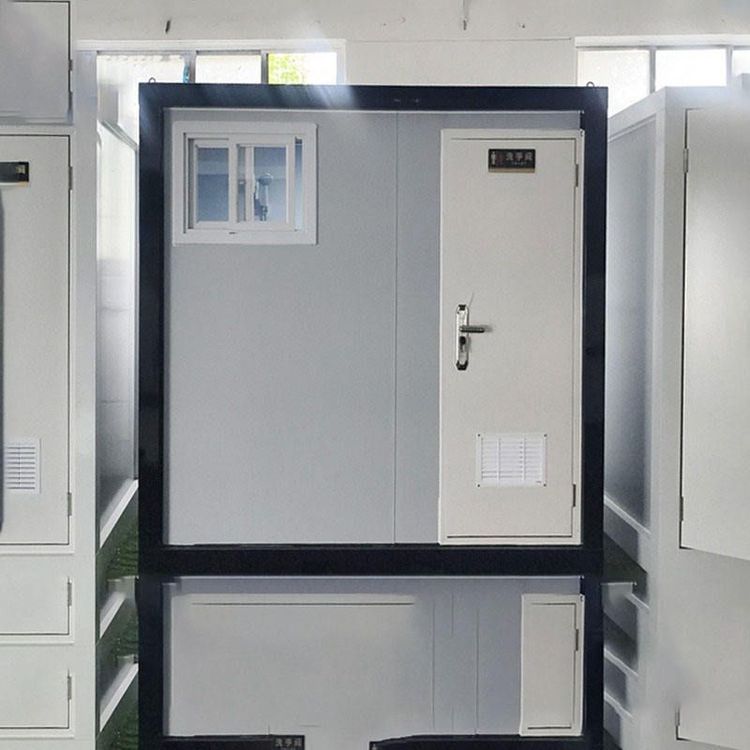
Container houses can also be transformed into mobile police stations, container mobile restrooms, and other specialized buildings to meet urban public service or environmental protection needs. Their impact resistance and reusability make them significantly advantageous in earthquake-prone areas or temporary events.