Remodeled Portable Container Houses
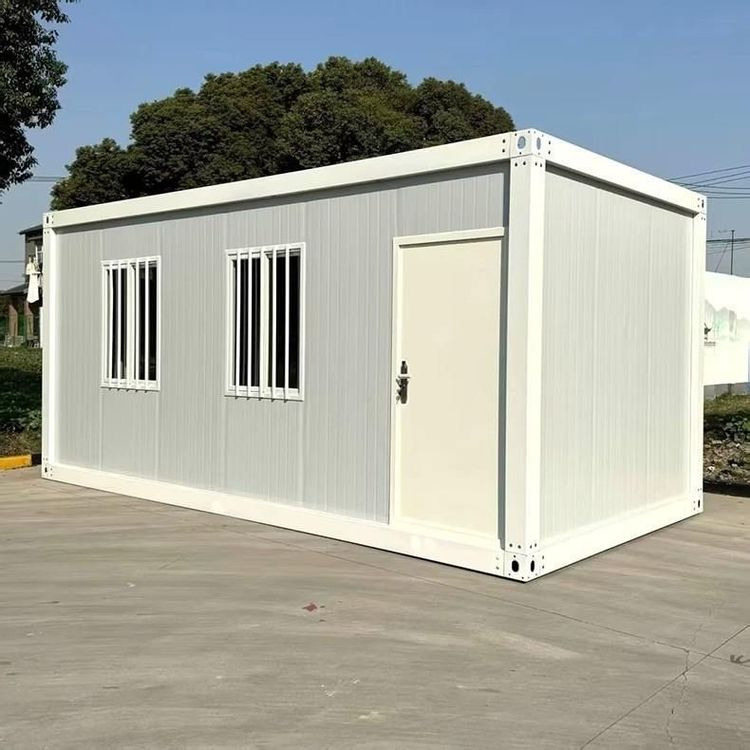
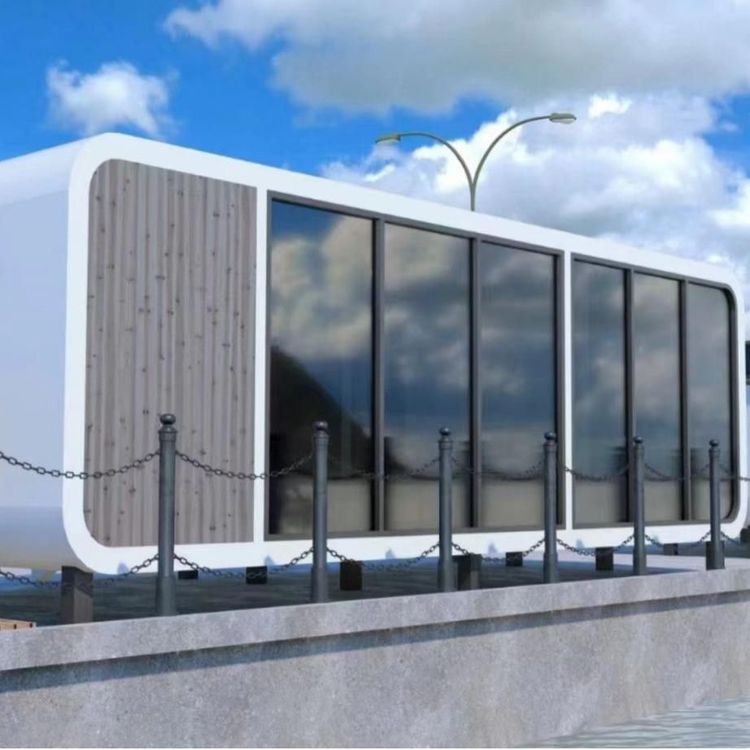
Remodeled portable container houses are a form of residential or office building created by converting shipping containers into basic structural modules.

Diverse remodeling approaches The remodeling process typically falls into two categories: one uses retired ocean shipping containers directly—after a crane lifts them onto a designated site, the box is cut open for interior fit-out, such as adding partitions and installing electrical and plumbing lines; the other expands the structure of scrapped containers to improve space utilization. For example, in one case two containers were placed a certain distance apart, a wooden connecting structure was built between them, wooden frames were assembled and fixed on both sides, flooring boards were laid and a door frame installed, the top was sealed with OSB panels then covered with waterproof tarpaulin, wooden strip frames were fixed and corrugated aluminum roofing sheets installed to form a complete roof system, and doors and windows were fitted to enclose the building.
Wide range of applications
- Temporary living and offices: Commonly used on construction sites as worker dormitories, or as rental housing for short-term stays.
- Emergency and public use: Rapidly deployed as post-disaster emergency buildings to provide temporary shelter for affected people; for the 2026 Nagoya Asian Games in Japan, container houses were used to build the Athletes' Village, while Shanting District in Zaozhuang, Shandong, China, used container houses to create distinctive guesthouse tourism attractions—showing innovative uses for large events and tourism.
- Commercial and medical fields: In commerce they are converted into 24-hour self-service fitness pods, cafes, and similar venues; in emergency medical facilities, container houses can be rapidly assembled into temporary hospitals or testing sites thanks to their modular nature.
Ongoing technical improvements For thermal performance, energy efficiency is improved by adding insulation materials or double-wall structures; energy supply systems integrate renewable technologies such as solar panels and energy storage; for smart management, IoT systems enable remote monitoring of temperature, humidity, energy use, and more, and may include smart door locks and environmental control systems to improve comfort and safety. These upgrades are gradually transforming container buildings from temporary structures into semi-permanent, functional buildings that meet more diverse needs.