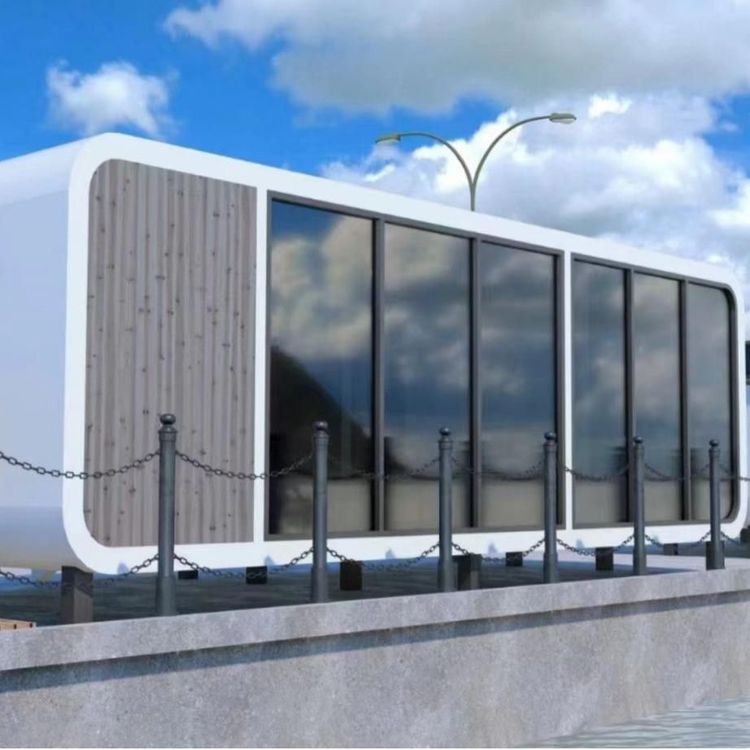
Reliable Mobile Toilet
Reliable mobile toilets typically possess core advantages such as mobility, modularity, and ease of transportation. Their design adheres to six principles: mobility convenience, economic durability, environmental protection, ecological friendliness, efficiency enhancement, and humanitarian promotion. Through structural optimization and functional adaptation, they meet the needs of diverse scenarios.

1. Basic Structure and Material Characteristics
The main structure of a mobile toilet consists of modules such as a fecal sewage storage tank (or disposal unit), flooring, sanitary fixtures, walls, washing facilities, water tanks, roofs, and mobility devices. The design emphasizes a balance between lightness and sturdiness: high-strength lightweight materials (such as aluminum alloy, fiberglass-reinforced plastic, or engineering plastics) are used to reduce overall weight, while structural reinforcement ensures wind and earthquake resistance. Height and width are strictly controlled within standard ranges (usually not exceeding 2.5 meters in height and 1.8 meters in width) to fit ordinary transport vehicles. Mobility devices are equipped with universal wheels or detachable towing structures, supporting manual pushing or mechanical traction for rapid deployment and relocation.
2. Environmental Protection and Efficiency Optimization
Environmental protection is the core design goal of mobile toilets. The fecal sewage storage tank adopts a sealed design to prevent leakage and odor diffusion. Some models are equipped with biodegradation or chemical treatment units that convert waste into harmless substances, reducing environmental pollution. The water tank system reduces water consumption through water-saving flushing devices (such as foot-operated or sensor-based types), with a single flush volume controlled within 3 liters, making it suitable for areas with scarce water resources. The roof design integrates solar panels or rainwater collection systems to provide renewable energy for lighting, ventilation, and other equipment, further enhancing energy efficiency.
3. Special Scenario Adaptation and Humanized Design
For different usage scenarios, mobile toilets achieve customization through functional module combinations. For example, in rural or cold regions, bucket toilet seats with a separate design (independent water storage buckets combined with toilet seats) avoid freezing issues common in traditional flush toilets while providing safety support for the elderly. Walls adopt double-layer insulation structures or incorporate thermal insulation materials to improve winter comfort. The interior space features barrier-free designs (such as widened doorways and installed handrails) to meet the needs of disabled individuals, reflecting humanitarian care.
4. Economic Efficiency and Maintenance Convenience
The economic efficiency of mobile toilets is reflected in the optimization of lifecycle costs: modular design supports rapid assembly and disassembly, reducing transportation and installation expenses. Durable materials (such as anti-corrosion coatings and aging-resistant plastics) extend service life, minimizing frequent replacement costs. The modularity allows dynamic adjustment of toilet quantities based on foot traffic, avoiding resource waste. In terms of maintenance, storage tanks can be regularly pumped and cleaned, and sanitary fixtures are made of easy-to-clean materials, reducing manual maintenance intensity.