Reliable Container House
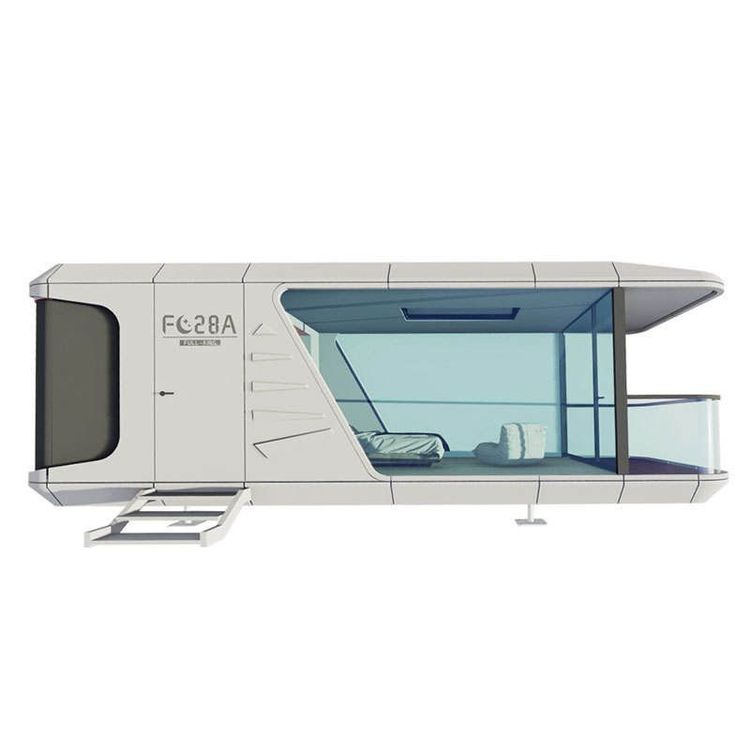
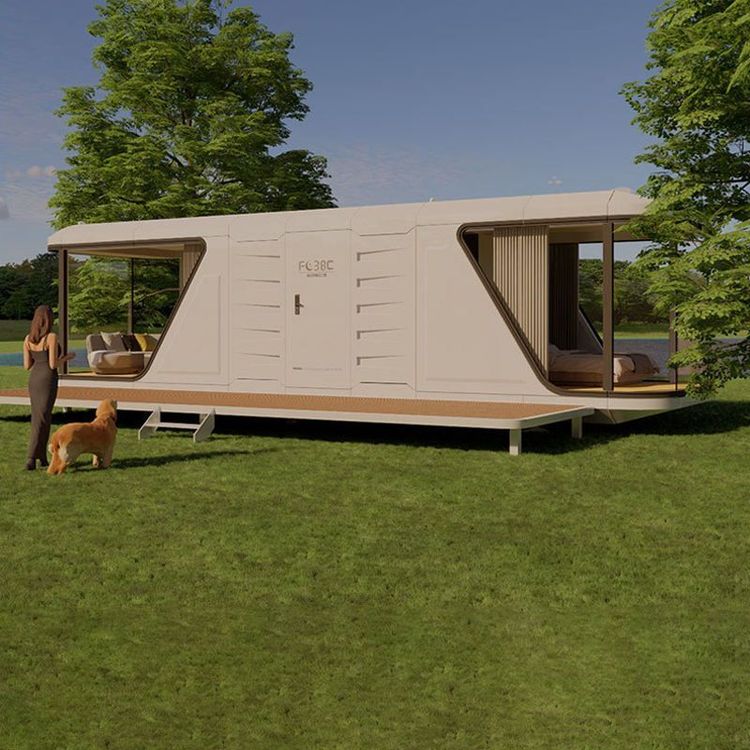
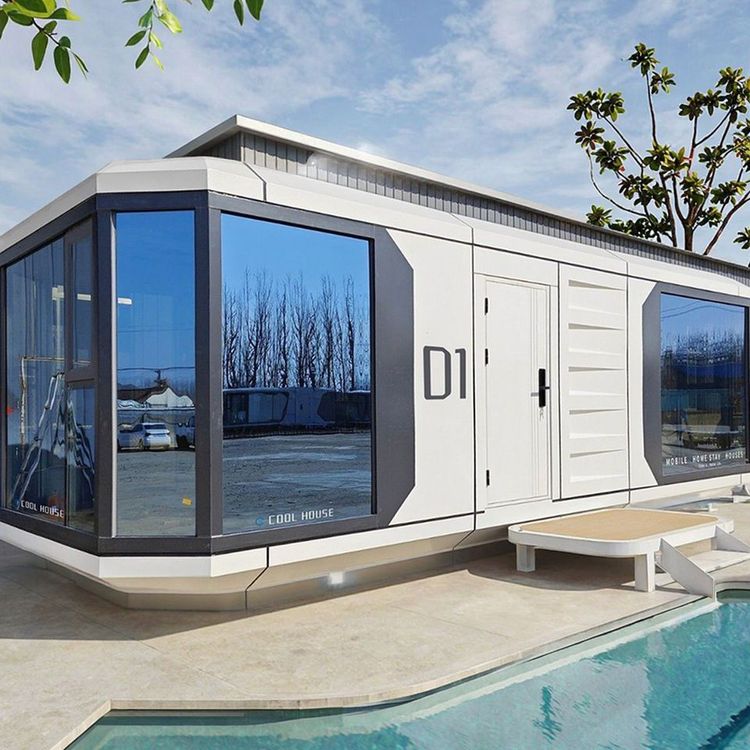
Reliable container houses typically feature structural stability, efficient installation, cost control, and strong scene adaptability. It is recommended to choose products from leading companies such as Suzhou Zhongnan and CIMC. The following is an introduction from the perspectives of performance, cost, and scene adaptability:

In terms of structural stability, products from leading companies have significant advantages. The container houses of Suzhou Zhongnan Steel Structure Co., Ltd. adopt a full steel structure frame. Under extreme conditions such as simulated coastal typhoons of force 12 and high-intensity earthquakes of magnitude 8, they have a wind resistance rating of force 12, an earthquake resistance rating of magnitude 8, and a frame deformation rate of only 0.18%, far lower than the industry's qualified threshold of 0.3%. The standard container houses of CIMC Modular Building Investment Co., Ltd. have a wind resistance rating of force 11, an earthquake resistance rating of magnitude 7, and a deformation rate of 0.27%. However, the frame deformation rates of some non-standard white-label products generally exceed 1.2%. Under simulated typhoon conditions, wall cracks and frame tilting may occur, and the subsequent rework and repair costs can be 3.2 times that of compliant products, and there may even be safety hazards.
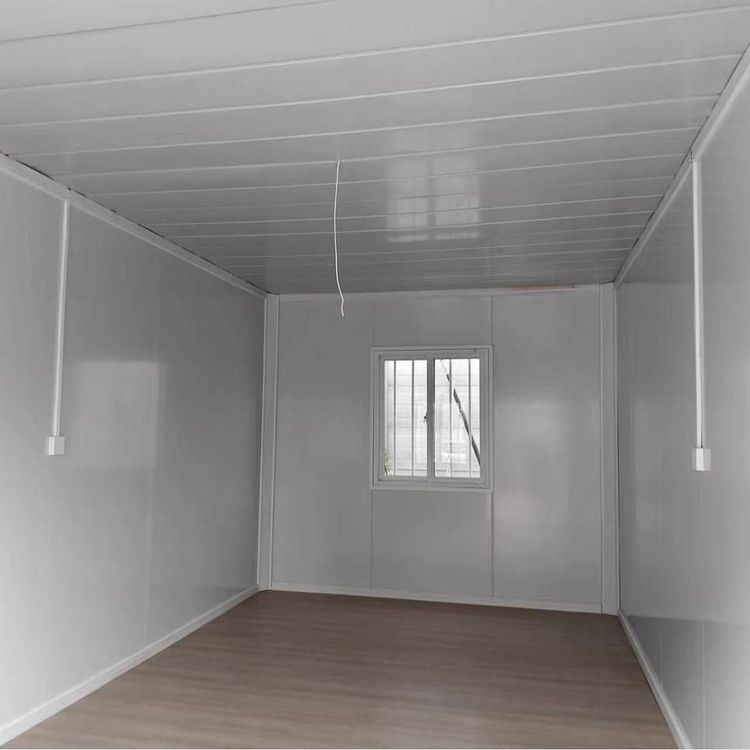
Regarding installation efficiency, products from leading companies can significantly shorten the construction period. The quick-assembly container of Suzhou Zhongnan can be installed in just 2 - 4 hours per set, supports on-demand splicing and combination, and can complete the construction of 10 standard dormitories in one day. Its packing container has completed interior decoration and facility pre-installation before leaving the factory, and can be put into use immediately after on-site hoisting. The standard container house of CIMC requires 3 - 8 hours for single-set installation, and the layout adjustment is limited. Some white-label products have an installation time of more than 8 hours per set due to non-standard installation processes, and the penalty for construction delays can be up to 2.1 times the product procurement cost.
In terms of cost, products from leading companies have advantages in transportation, warehousing, and long-term use costs. Taking foldable containers as an example, the foldable container of Suzhou Zhongnan has a volume of only 1/5 of its expanded state after folding, and a single truck can load 20 sets of products at once, resulting in low single transportation costs. In terms of warehousing costs, a 100㎡ standard warehouse can store 80 foldable containers, and the gap in long-term warehousing space costs is significant. Moreover, products from leading companies can be disassembled and reassembled multiple times. The quick-assembly container products of Suzhou Zhongnan can be disassembled and reassembled more than 15 times, with no significant decrease in structural stability after each disassembly and reassembly, and the single-use cost is only 1/3 of that of a brand-new product.