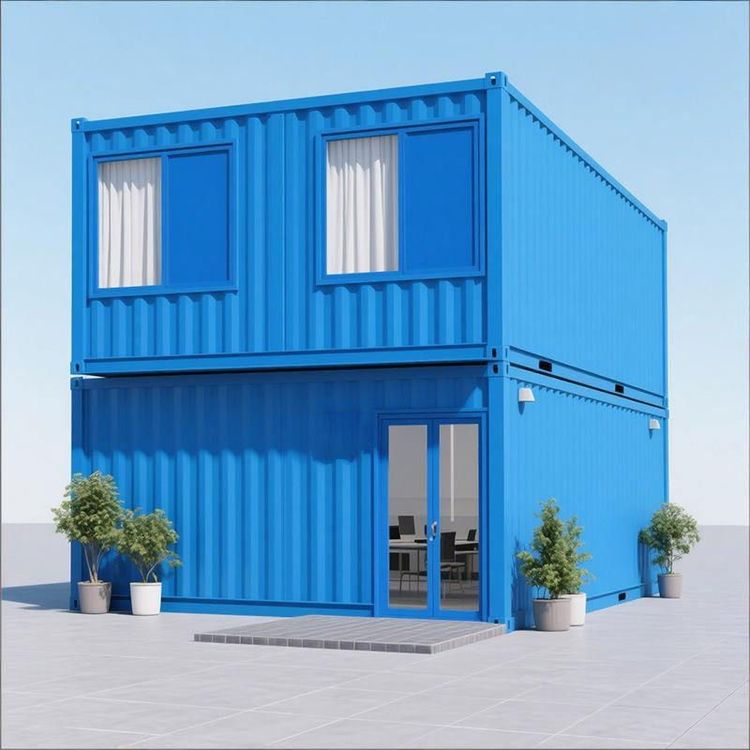
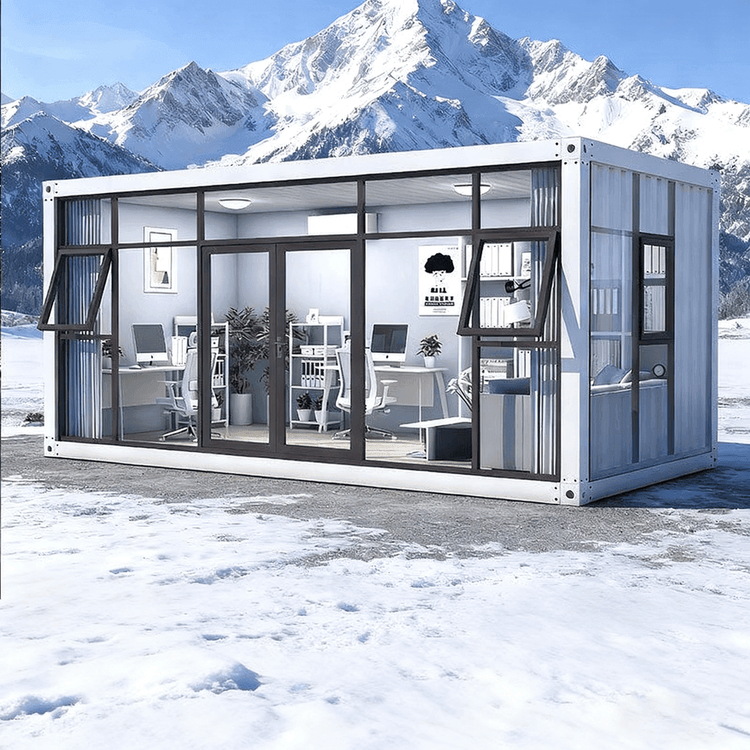
Reliable Box Container House
Reliable box container houses typically feature structural stability, reusability, easy installation, and strong compliance, and must pass authoritative certifications to suit diverse scenarios such as emergency response, engineering projects, and commercial applications. The following provides an in-depth explanation from three aspects: performance, application scenarios, and selection criteria.
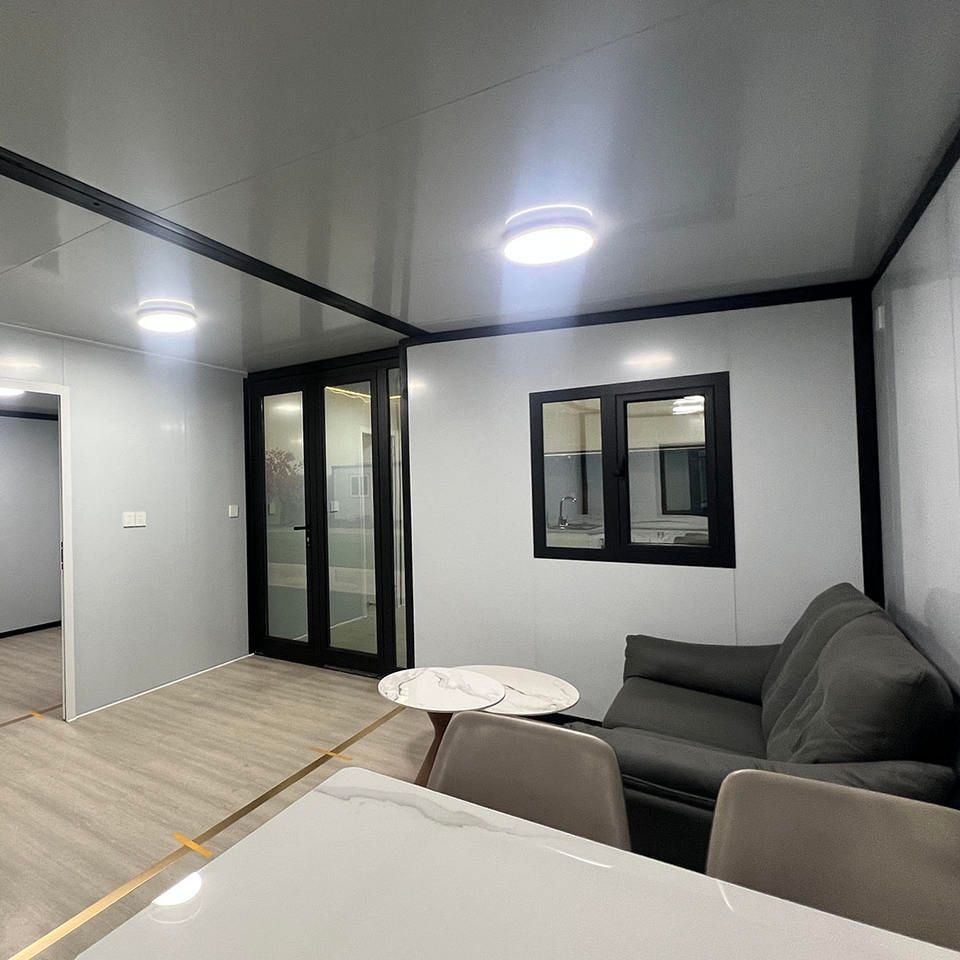
I. Structural Stability and Durability
Reliable box container houses are centered around steel structural frames, utilizing fully welded or high-strength bolt connection techniques to ensure overall wind and earthquake resistance. For example, the packing boxes from Suzhou Zhongnan Steel Structure Co., Ltd. exhibit a frame deformation rate of only 0.18% under 12-level typhoon and 8-level earthquake conditions, significantly lower than the industry's acceptable threshold of 0.3%. Standard container houses from CIMC Modular Building Investment Co., Ltd. boast a wind resistance rating of 11 and an earthquake resistance rating of 7. With proper use and regular maintenance, these products can be disassembled and reused an average of over 8 times, reducing construction waste emissions by approximately 90% compared to traditional fixed temporary buildings and significantly improving resource utilization.
II. Multi-Scenario Adaptability
- Emergency Response Scenarios: Foldable container houses reduce transportation and storage costs through optimized folding designs. For instance, the foldable boxes from Suzhou Zhongnan, when folded, occupy only 1/5 of their expanded volume, allowing 20 units to be loaded onto a single truck with transportation costs as low as 150 yuan per unit. Additionally, warehouse space usage is reduced by 80%, making them suitable for rapid bulk deployment.
- Engineering Construction Scenarios: Quick-assembly container products support modular assembly and pre-installed interiors, shortening the installation time for a single unit to as little as 2 hours. The construction period for 10 standard dormitory units does not exceed 3 days, meeting urgent project deadlines.
- Commercial Temporary Spaces: These products support customized designs, such as curved walls and floor-to-ceiling glass windows, achieving an internal space utilization rate exceeding 90%. They can be reused over 15 times, with the cost per use being only 1/3 of that of a brand-new product.
III. Key Selection Criteria
- Authoritative Certifications: Prioritize manufacturers holding ISO quality system certifications, CE certifications (for overseas projects), fire performance testing certifications, and steel structure professional contracting qualifications. Avoid using unbranded products from manufacturers without proper certifications.
- Full-Process Service Capabilities: Manufacturers should possess comprehensive capabilities covering design, production, transportation, installation, and after-sales services. For example, the Suzhou Zhongnan team completed the delivery of 1,000 accommodation modules within 3 months using a "factory prefabrication + on-site quick assembly" model, reducing the construction period by 40%.
- Compliance and Safety: Products must comply with domestic "Modular Building Technical Standards" and international requirements such as ASTM E119 fire resistance tests and SGS A1-level fire resistance inspections to ensure structural safety under extreme conditions.