
Recycling Temporary Mobile Toilets
The situation regarding the recycling of temporary mobile toilets varies depending on multiple factors. Some are recycled, while others may not need to be.
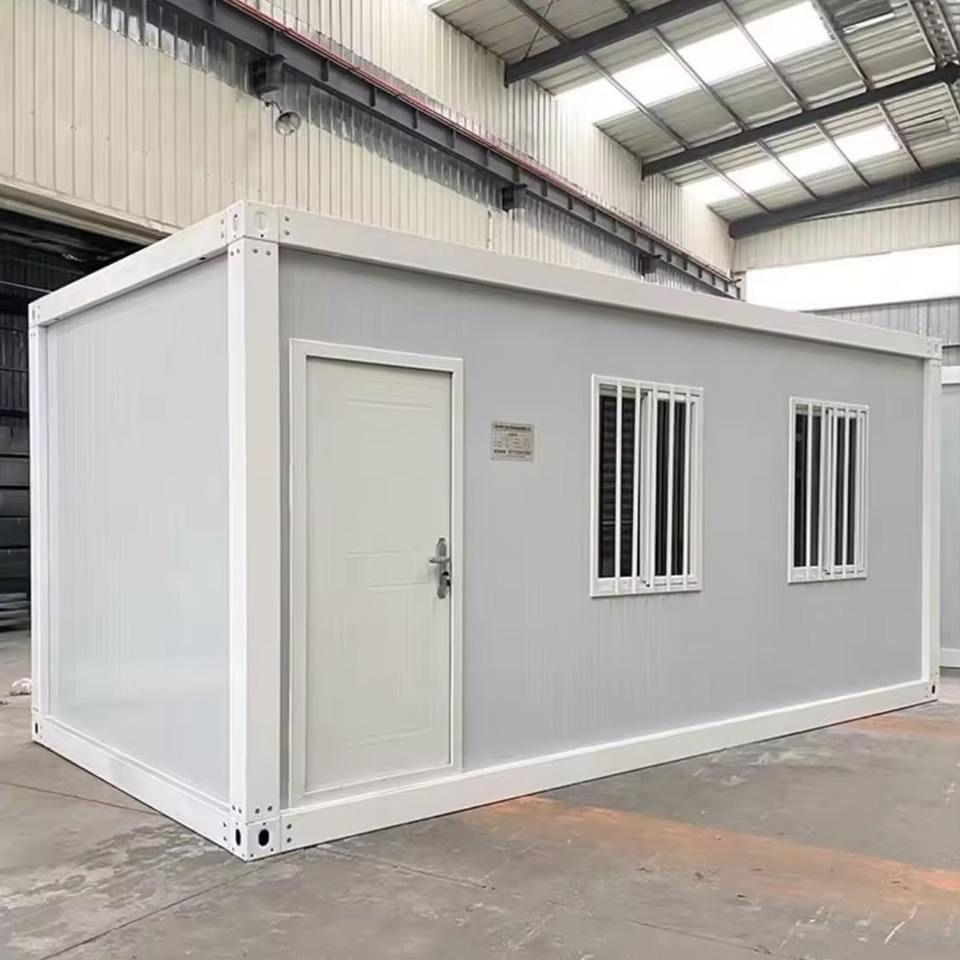
Some temporary mobile toilets are recycled:
In scenarios such as the renovation of old residential communities, if there are local renewable resource recycling policies or if components like the toilet bowls of temporary mobile toilets are still functional and have reuse value, specialized recycling points in some cities will accept old toilet bowls. After processing, these components can be used in the reproduction of building materials, achieving resource recycling. Additionally, some merchants offer recycling services for mobile toilets. For example, Baitai Housing Technology in Ganzhou, Jiangxi, and Nanning Jinyizheng Traffic Facilities Co., Ltd. in Yongzhou, Hunan, all have relevant businesses. Recycling prices vary significantly depending on the type and specifications of the toilets, ranging from 500 yuan per square meter to 5,800 yuan per unit. This type of recycling is usually aimed at mobile toilets with intact structures and normal functions. After professional processing, they can be put back into use or transformed into other products.
Some temporary mobile toilets may not need to be recycled:
If temporary mobile toilets are severely damaged and cannot be repaired, or if there are no recycling channels or mandatory requirements locally, they can be disposed of according to construction waste standards. For example, toilets that have been exposed to harsh environments for a long time, resulting in structural corrosion, or those with completely destroyed internal facilities, generally do not have reuse value. Direct landfilling or crushing treatment is more economical. In addition, after the completion of some temporary projects, if the mobile toilets are designed for one-time use or if the recycling cost is higher than the cost of building new ones, recycling may also be abandoned.
Handling suggestions:
When encountering such issues, the most prudent approach is to directly consult the property management of the residential community, the community workstation, or the local sanitation department. Policies, recycling channels, and disposal requirements may vary in different regions. For example, some cities have strict regulations on the transportation and landfilling of construction waste, while others may encourage resource utilization. Obtaining information through official channels can ensure that the handling method complies with local regulations and avoid disputes or environmental problems caused by improper disposal.



