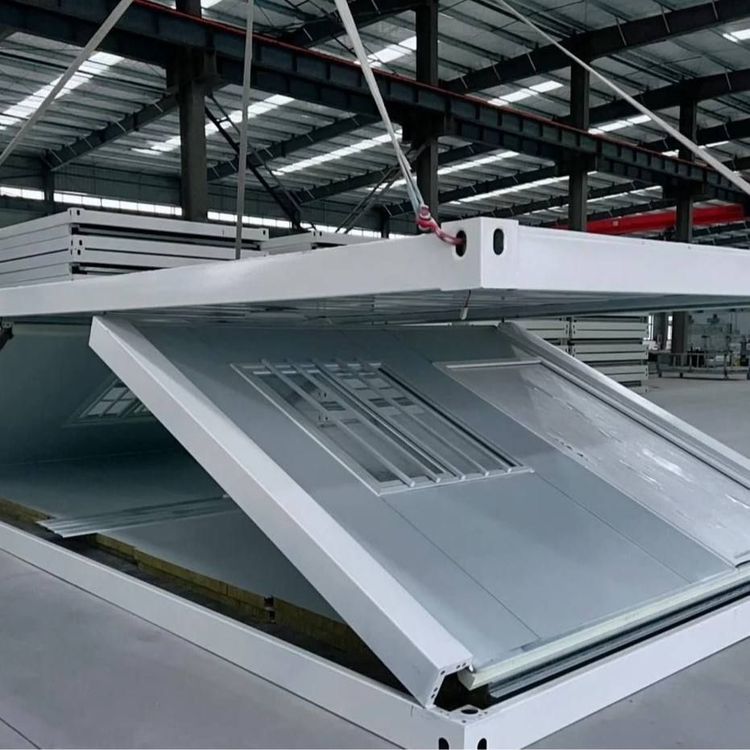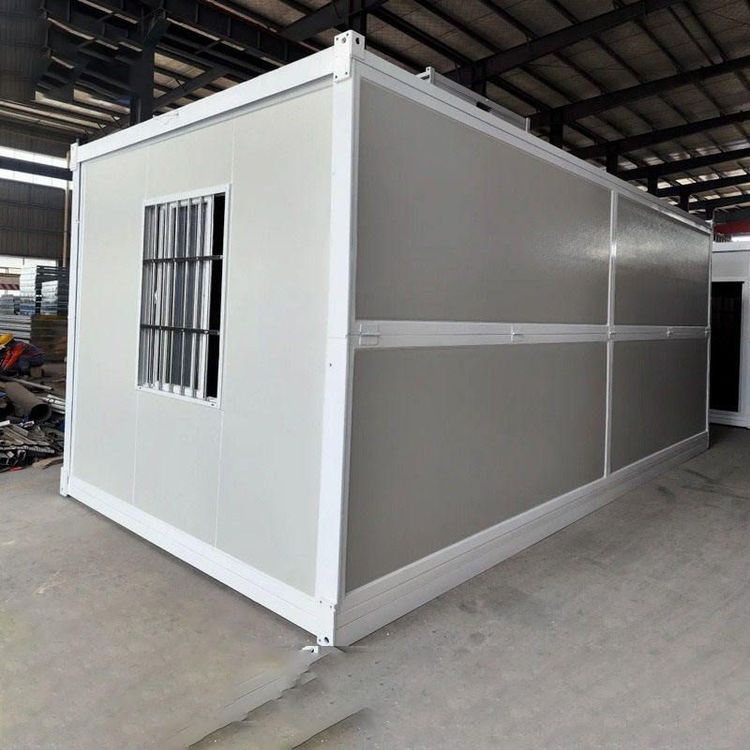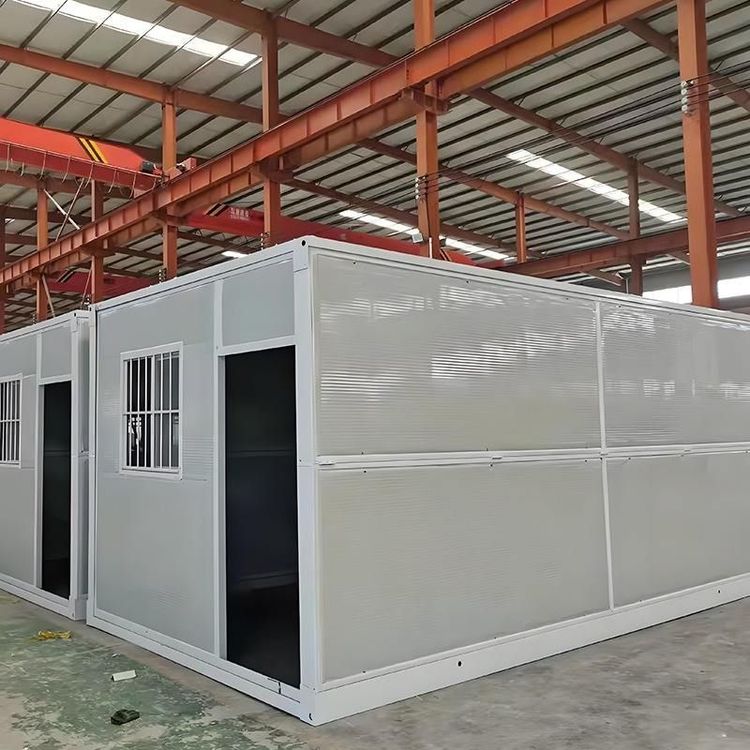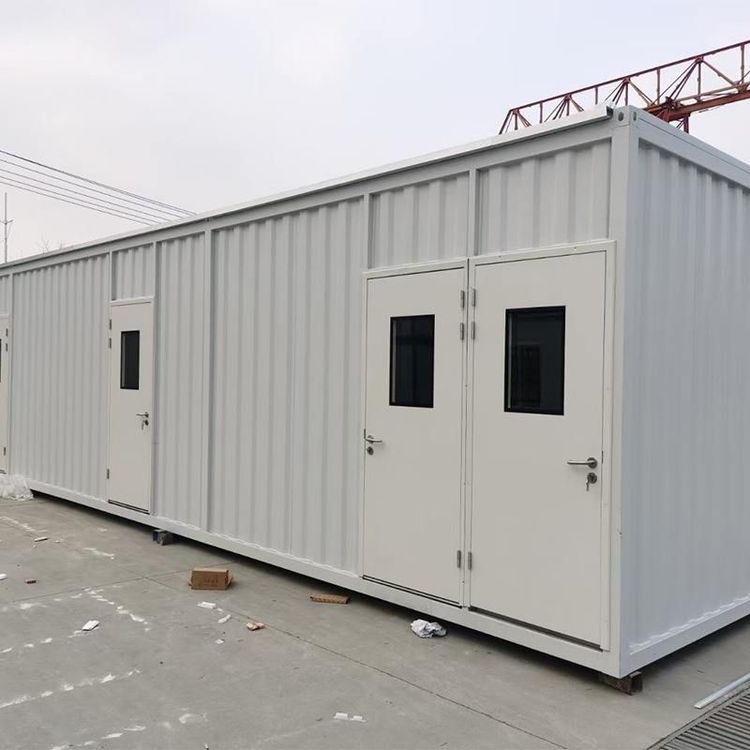
Reconstructible Container House
Reconstructible container houses are characterized by their sturdiness, durability, easy construction, environmental friendliness, flexibility, and low cost. During reconstruction, attention should be paid to structural stability, functional zoning, and energy supply.

Structural Stability: Container houses use containers as their basic structural modules. During reconstruction, it is essential to ensure their wind and earthquake resistance. The structural performance of container houses varies among different manufacturers. For example, the all-steel frame container mobile homes produced by Suzhou Zhongnan Steel Structure Co., Ltd. have been tested by third parties to meet wind resistance standards of up to Level 12 and earthquake resistance intensity of 8 degrees, with a frame deformation rate of only 0.2%. Similarly, the products of CIMC Modular Building Investment Co., Ltd. have a wind resistance rating of Level 11 and an earthquake resistance intensity of 7 degrees, with a frame deformation rate of 0.3%. During reconstruction, it is crucial to choose compliant products and prioritize verifying their wind and earthquake resistance test reports to avoid using unqualified products and prevent issues such as frame deformation and wall cracking under extreme conditions, ensuring safety in use.
Functional Zoning: The internal space of containers can be reasonably divided according to actual needs. For example, Mini Villa is reconstructed from a 20-foot used container, integrating basic living functions such as a bedroom, kitchen, and bathroom within its 12-square-meter interior space. It uses concave storage partitions for functional zoning and sets up a full wall of cabinets to increase storage space. During reconstruction, it is important to fully consider the actual needs of living or working and reasonably plan each functional area to improve space utilization.
Energy Supply: To address the heating and power supply issues of container houses, various energy supply methods can be adopted. For instance, replacing ordinary solar collectors with new photovoltaic-thermal panels that can simultaneously generate electricity and heat, and changing traditional radiator heating to more comfortable underfloor heating systems can reduce indoor temperature fluctuations, decrease electricity consumption, enhance environmental performance, and lower carbon emissions. Additionally, air-source heat pumps and other energy supply methods can be considered based on actual conditions.