
Reasons for Eliminating Prefabricated Panel Houses
The main reasons for eliminating prefabricated panel houses include poor earthquake resistance, fragile connection points, material issues, poor living experience, insufficient integrity, and inability to meet modern standards, among others.
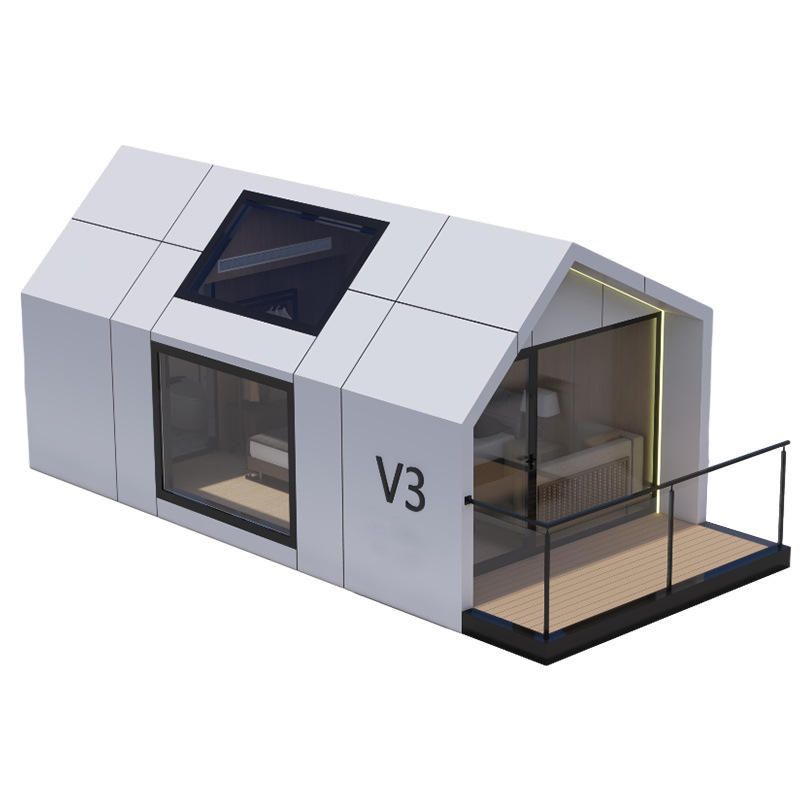
Almost zero earthquake resistance: Prefabricated panel houses have poor integrity. During earthquakes, the floor slabs and walls are prone to instant separation, leading to sudden collapse. They lack crack warning and deformation buffering mechanisms, significantly reducing the escape opportunities for occupants during an earthquake. For example, in the Wenchuan earthquake, 80% of the prefabricated panel buildings collapsed, while less than 5% of the cast-in-place concrete buildings did. This data vividly reflects the severe inadequacy of prefabricated panel houses in terms of earthquake resistance.
Fragile connection points: The connections between prefabricated panels and walls, as well as between panels themselves, are usually weak, relying solely on simple overlapping or filling. They lack rigid framework support. This type of connection makes the houses vulnerable to foundation settlement, wall cracking, or material aging over time. The connection points are prone to weathering, steel bar rusting, resulting in reduced strength and even triggering chain collapse accidents.
Material shoddy workmanship: During the production of prefabricated panels, issues such as overly thin steel bars, substandard concrete grades, and insufficient thickness are common. These problems make the prefabricated panels brittle and prone to fracture. When exceeding their load-bearing capacity, they may fracture instantly without any warning, posing significant safety hazards to occupants.
Poor living experience: Prefabricated panel houses have poor sound insulation and thermal insulation properties, and the panel seams are prone to cracking and leaking. These issues not only affect the comfort of living but also increase the difficulty and cost of daily maintenance.
Insufficient integrity: Old-style prefabricated panel houses rely on brick walls for load-bearing, with simple overlapping of floor slabs. It is difficult for walls, beams, panels, and foundations to form a stable force-bearing system. This structure is highly sensitive to design, construction, maintenance, and renovation activities, with little room for error. Once a problem occurs in any link, it may seriously affect the safety of the entire house.
Demand for standard upgrades: With the continuous advancement of building technology, standards for earthquake resistance, durability, waterproofing, and other aspects are constantly improving. Due to limitations in design and materials, prefabricated panel houses can no longer meet modern safety and living requirements and are therefore gradually being phased out.



