
Reasons for Choosing Mobile Toilets
The main reasons for choosing mobile toilets include mobility, environmental friendliness, intelligent management, environmental adaptability, wide application scenarios, and high cost-effectiveness.
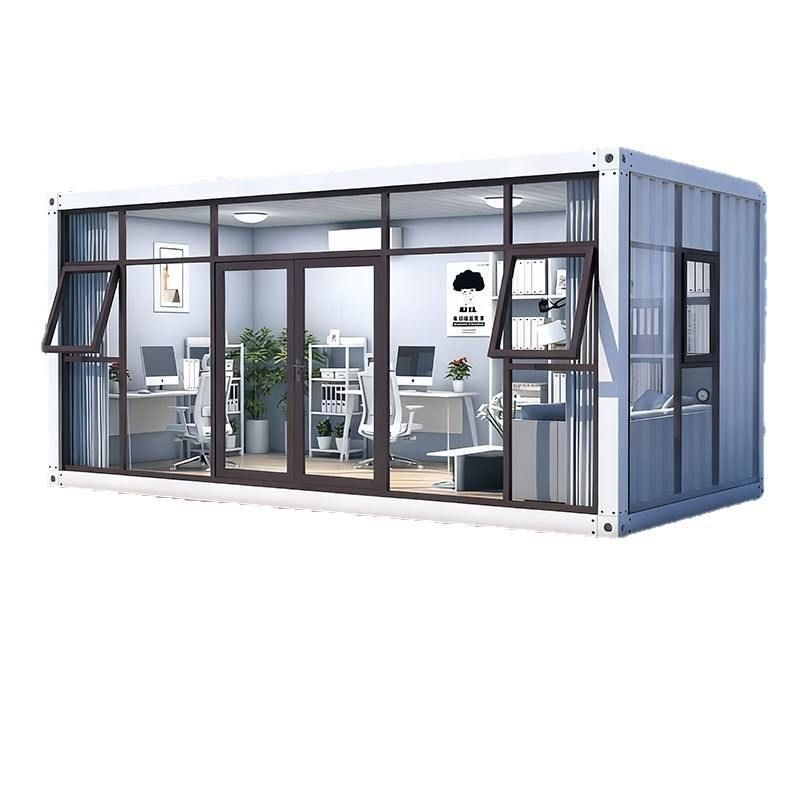
Mobility is the core advantage of mobile toilets. Their modular design allows for rapid deployment or relocation via lifting, eliminating the need for complex civil engineering work, making them particularly suitable for temporary or highly mobile scenarios. For example, in construction sites, temporary exhibitions, or post-disaster reconstruction areas, they can be flexibly adjusted in position according to needs, and even support customization based on drawings to fit different space dimensions, significantly enhancing convenience of use.
Environmental friendliness is reflected in resource recycling technologies. Some models are equipped with water circulation devices that filter and purify wastewater for secondary use, such as toilet flushing or green irrigation, greatly reducing water costs; waterless flushing and packaging designs use biodegradable materials to wrap excrement, reducing water consumption and avoiding pollution, aligning with sustainable development concepts.
Intelligent management further enhances usage efficiency. Some high-end models integrate intelligent monitoring systems that can display remaining capacity in real-time or automatically prompt maintenance needs, preventing service interruptions due to overflow or malfunctions, especially suitable for scenic spots or large event venues with high pedestrian density.
Environmental adaptability is optimized for different climatic conditions. Products for cold northern regions incorporate additional insulation layers to prevent pipe freezing, ensuring normal winter operation; those for rainy southern regions enhance waterproofing to extend equipment lifespan and reduce damage risks caused by moisture.
Wide application scenarios are a notable feature of mobile toilets. They cover diverse scenarios such as temporary exhibitions, construction sites, tourist attractions, and post-disaster reconstruction, particularly suitable for areas with fluctuating population densities. By flexibly adjusting the number of toilets, they can quickly respond to demand changes, avoiding resource waste or shortages.
High cost-effectiveness is reflected in long-term cost advantages. Modular design shortens construction periods and reduces material waste, especially suitable for temporary or short-term use scenarios; some regions further lower procurement costs through policy subsidies; their service life can reach about 10 years (depending on material and maintenance frequency), far exceeding the 3-5 year cycle of ordinary temporary toilets, resulting in lower overall costs.



