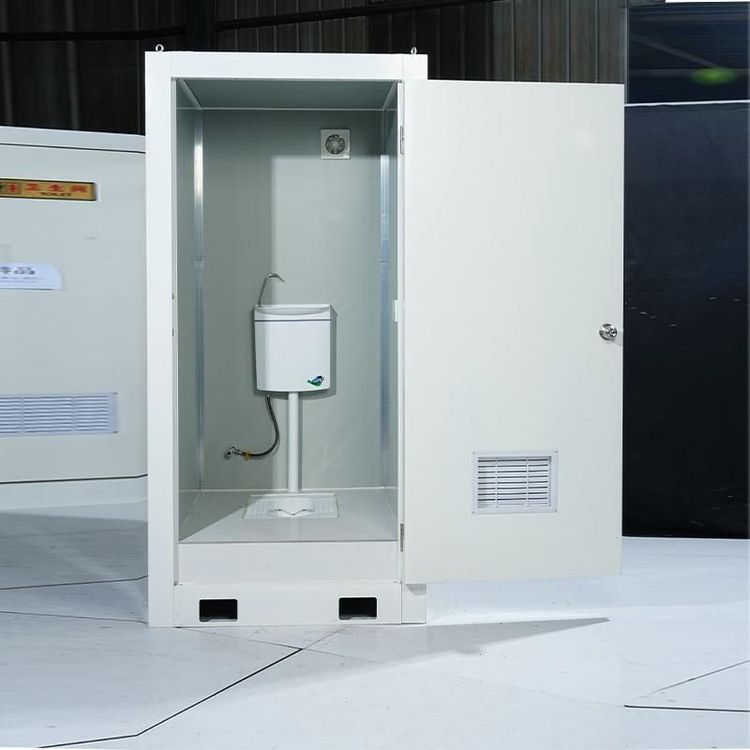
Real Estate Mobile Toilet Construction
The construction of mobile toilets in real estate projects requires comprehensive planning for site selection, type selection, environmental protection treatment, and operation and maintenance plans to address temporary, mobile, and emergency toilet needs.

1. Layout and Density Planning
The layout of mobile toilets should be integrated with the circulation design of the real estate project, prioritizing placement in high-traffic areas such as sales offices, showrooms, and construction sites, while avoiding random placement. Additionally, the proportion of barrier-free facilities should be considered, such as reserving wheelchair access and installing low-level sinks to meet the needs of different groups. Furthermore, it is essential to predict usage frequency based on peak traffic periods (e.g., opening events, holidays) and dynamically adjust the number of toilets to avoid resource waste or insufficient supply.
2. Structural and Functional Selection
The choice of toilet type should match on-site conditions:
- Flush Type: Suitable for sites with water supply and drainage networks, this option is cost-effective and widely accepted by users but requires regular cleaning of the septic tank.
- Foam/Microbial Degradation Type: Ideal for areas without water or electricity (e.g., wild construction sites), these toilets reduce sewage disposal issues by covering feces with foam or decomposing it with bacteria.
- Packaging Type: Uses biodegradable bags to collect feces, eliminating the need for flushing and suitable for extreme water-scarce environments.
Internal configurations should focus on details: hooks, handrails, lighting, and exhaust fans directly affect the user experience. For example, anti-freezing water tanks should be provided in winter, and ventilation should be enhanced in summer.
3. Sewage Disposal and Environmental Protection Treatment
If connection to the municipal sewage network is not possible, the following solutions should be adopted:
- Septic Tanks: Calculate the capacity based on project scale and plan the cleaning cycle reasonably (usually every 3-6 months) to prevent overflow and environmental pollution.
- Solid-Liquid Separation Technology: Use equipment to separate feces from sewage, reducing treatment difficulty. For example, microbial degradation toilets can convert solids into organic fertilizer.
- Anti-Leakage Design: Lay anti-seepage membranes at the bottom of the toilets to prevent sewage from infiltrating the soil or groundwater, especially in areas with poor geotechnical stability.
4. Operation and Maintenance Mechanism
The construction plan should include a long-term operation and maintenance plan:
- Cleaning Frequency: Clean 3-5 times daily during peak periods and once daily during off-peak periods, focusing on disinfecting high-contact areas such as door handles and flush buttons.
- Spare Parts Inventory: Maintain a 10%-20% redundancy of easily damaged parts (e.g., water tank floats, exhaust fan motors) to ensure quick replacement.
- Winter Anti-Freezing: In northern regions, wrap water pipes with insulation cotton and drain water tanks at night to prevent freezing and cracking.
- Emergency Response: Sign agreements with professional cleaning companies to ensure they arrive within 2 hours in case of feces overflow.
As a form of mobile toilet, portable cabin toilets feature lightweight galvanized steel frames and color steel sandwich panel walls, enabling quick assembly and thermal insulation. They are suitable as supporting facilities for temporary sales offices or construction sites, further enriching the options for construction plans.
You may also like
Container House Rendering: Types, Features & Buying Tips
Read More
Portable Toilet Types: A Practical Buyer's Guide
Read More
Portable Toilet Movable Eco-Friendly: What to Know Before You Buy
Read More