
Rainwater Mobile Toilet Images
Currently, we cannot directly provide images of rainwater mobile toilets, but we can offer a popular science introduction to their basic concepts, design features, and application scenarios.
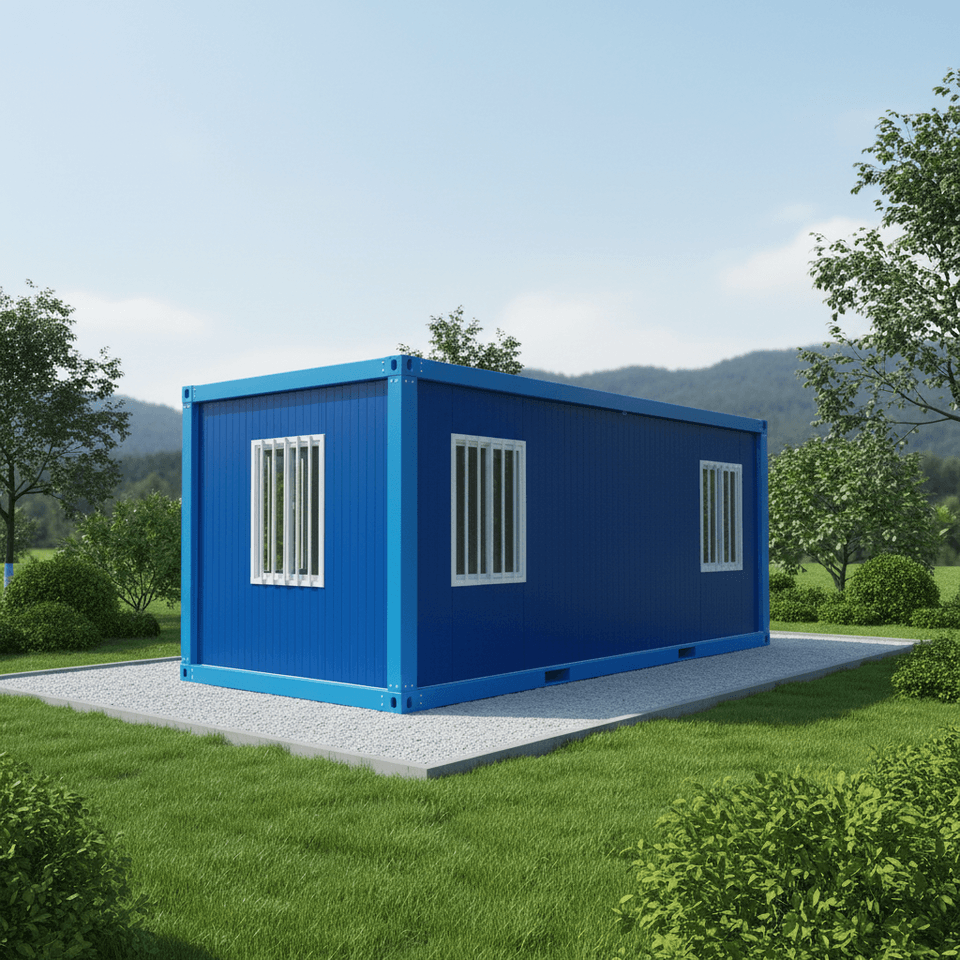
Rainwater mobile toilets are eco-friendly mobile toilets that integrate rainwater collection and utilization technology. Their core design concept is to collect rainwater as a source for flushing, reducing reliance on traditional water supply systems and lowering sewage discharge. These toilets are typically suitable for water-scarce areas, temporary event venues, or ecologically sensitive regions, featuring water conservation, environmental protection, and high mobility.
Design Features
Rainwater Collection System
The roof or top is designed as a collection surface, with gutters directing rainwater into storage tanks. The collection surface material must be stain-resistant and easy to clean to minimize impurities entering the system. Storage tanks are usually sealed to prevent evaporation and contamination, with some models equipped with filtration devices for preliminary rainwater purification.Water-Saving Flushing Devices
Vacuum suction or micro-flushing technology is used, limiting single flush volumes to 1-3 liters, significantly lower than the 6-9 liters of traditional toilets. Some models incorporate foam sealing technology, using foaming agents to cover the toilet surface, further reducing odors and water usage.Sewage Treatment Module
Feces and urine are separated and treated individually. Urine, after disinfection, can be directly used for green irrigation; feces are converted into harmless fertilizers through biological degradation or chemical treatment. Some high-end models are equipped with membrane bioreactors (MBRs) for advanced sewage purification and reuse in flushing.Modular Structure
The main body is constructed from lightweight materials (such as fiberglass-reinforced plastic or aluminum alloy) for easy transportation and rapid assembly. Internal functional areas (e.g., men's toilets, women's toilets, management rooms) can be flexibly configured to meet different scenario requirements.
Application Scenarios
- Water-Scarce Areas: Such as deserts and islands, addressing sanitation issues caused by insufficient water supply in traditional toilets.
- Temporary Events: Music festivals, sports events, etc., enabling rapid deployment without connecting to municipal water networks.
- Ecological Protection Zones: Reducing pollution to natural water bodies and minimizing human impact on the environment.
For specific product images, it is recommended to search through the official websites of environmental protection equipment suppliers, industry exhibition materials, or case studies in academic literature. Additionally, focusing on keywords like 'rainwater collection technology' and 'eco-toilets' can help narrow down the search.



