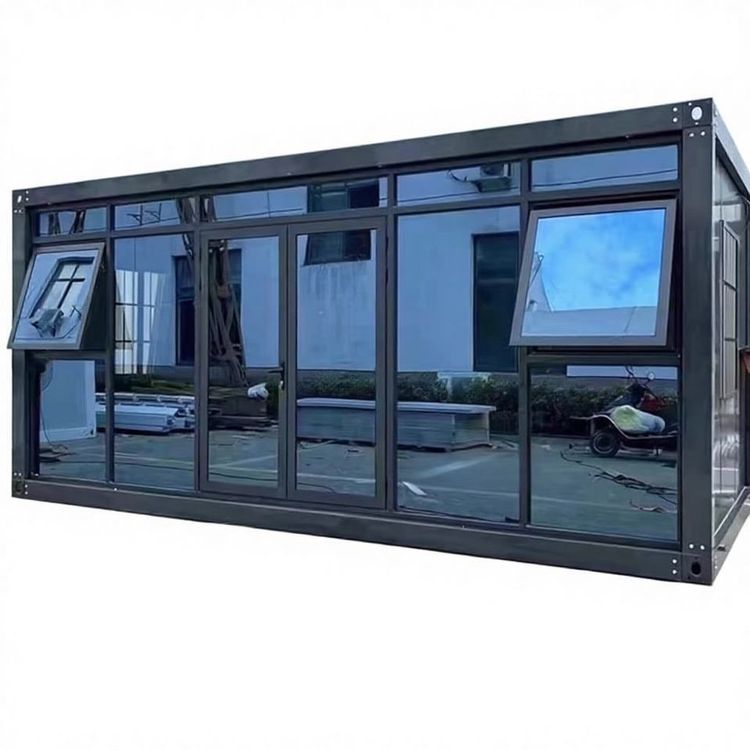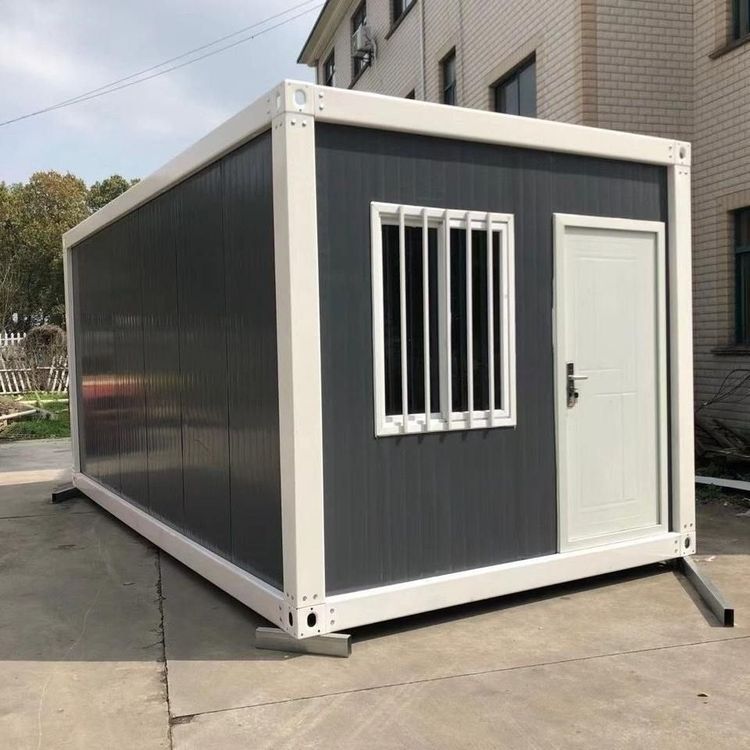
Mobile Toilets at Railway Stations
Mobile toilets at railway stations are movable sanitation facilities designed to address the issue of 'toilet shortage' for travelers, featuring flexible deployment, comprehensive functionality, and environmental protection and energy efficiency.

1. Setting Background and Purpose
As a public place with heavy passenger traffic, railway stations often face a shortage of fixed public toilets or are restricted by location, leading to difficulties for travelers in finding toilets. For example, Taiyuan Railway Station once lacked public toilets in its forecourt, forcing travelers to relieve themselves in corners or behind shops, resulting in a dirty and unsanitary environment. Lanzhou Railway Station, due to its special location, faced limitations in toilet construction, making it difficult for travelers and citizens to find toilets. The introduction of mobile toilets aims to quickly supplement the gap in sanitation facilities and improve the quality of public services.
2. Structural and Functional Design
Mobile toilets typically consist of fecal sewage storage tanks (or disposal units), floor slabs, sanitary fixtures, walls, washing equipment, water tanks, roofs, and mobile units. Based on functional requirements, their design includes the following features:
- Comprehensive sanitation facilities: Equipped with independent squatting stalls, third toilets (for the disabled and families), automatic sensor flushing, deodorization systems, etc. Some also have independent disabled stalls to meet barrier-free design requirements. For example, the mobile toilet buses at Taiyuan Railway Station and the new mobile toilets at Lanzhou Railway Station both have such features.
- Environmental protection and water conservation: Adopt sewage treatment methods such as circulating water flushing, dry packing, or waterless suction to reduce water consumption. For example, the mobile toilets in Lanzhou are environmentally friendly and water-saving, suitable for areas with water scarcity.
- Cleaning and maintenance: Dedicated cleaning staff are arranged to be on duty in shifts to ensure the facilities are clean and hygienic, avoiding the common dirt and mess in traditional public toilets.
3. Classification and Mobility Methods
According to structural form and mobility requirements, mobile toilets can be classified into the following types:
- By structural form: Divided into single-unit structures (independent units) and composite structures (multiple units combined).
- By mobility method: Including lifting and handling types (requiring manual or mechanical handling) and powered and towed types (capable of self-movement or being towed by vehicles).
- By sewage treatment method: Divided into water flushing and waterless suction types, circulating water flushing types (wastewater purified and reused), and dry packing types (feces collected and treated centrally).
4. Application Scenarios and Advantages
Mobile toilets are widely used in places such as railway stations, docks, and tourist attractions where temporary or fixed public toilets are insufficient, due to their characteristics of being movable, combinable, and easy to transport. Their core advantages include:
- Rapid deployment: Can be delivered and put into use in a short time to alleviate sudden demands.
- Flexible adjustment: The number can be increased or decreased, or the location can be changed according to passenger flow changes to optimize resource allocation.
- Reusability: The facilities are durable and can be disassembled and reassembled multiple times, reducing long-term construction costs.
Mobile toilets effectively solve the toilet problem in public places through modular design and environmental protection technologies, becoming an important part of modern urban public service systems.