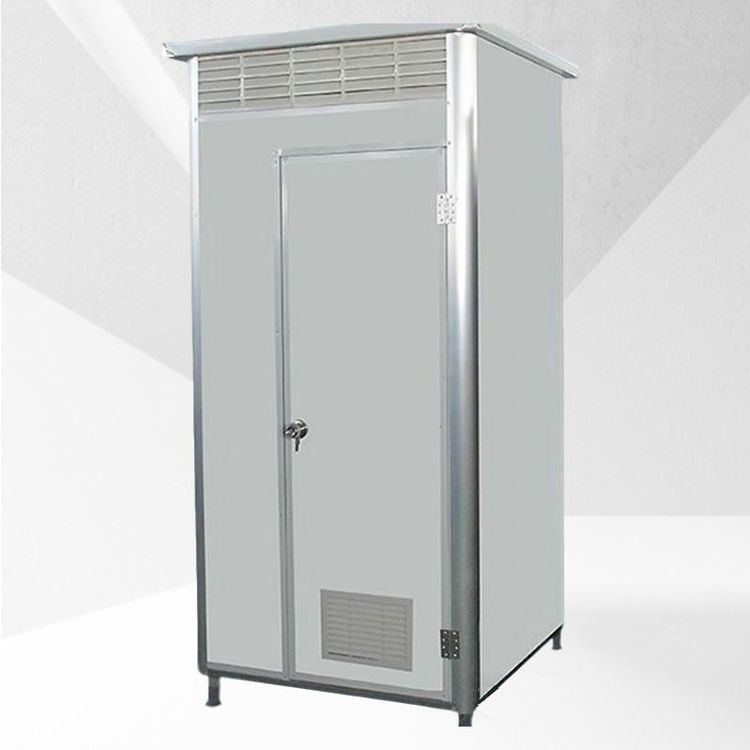
Quanzhou Municipal Mobile Toilet
The selection of Quanzhou municipal mobile toilets should be based on a comprehensive decision-making process considering usage scenarios, cost budgets, and long-term planning. For short-term events, renting is preferred, while for long-term needs, purchasing is recommended. Here is a detailed analysis:

I. Renting is Preferred for Short-term Use (within 3 months) The rental model offers flexibility and cost-effectiveness. For example, a music festival in Quanzhou rented 100 mobile toilets for 3 days at a cost of approximately 15,000 yuan (including transportation and maintenance), whereas purchasing the same equipment would cost 30,000 yuan per unit. Renting avoids the issue of idle equipment occupying space, especially suitable for scenarios where the equipment is not needed after the event. Additionally, rental companies typically offer a variety of equipment types (such as barrier-free and mother-and-baby-specific models) and promise to complete delivery and installation within 24 hours, with regular cleaning and disinfection to ensure a good user experience. If renting, it is advisable to sign a long-term contract in advance to lock in prices and avoid price increases during peak seasons.
II. Purchasing is Recommended for Long-term Needs (such as municipal projects and construction site stays) The purchasing model is more cost-effective for long-term use. Taking a municipal project in Quanzhou as an example, the procurement of 20 eco-friendly mobile toilets (at 4,000 yuan per unit) costs a total of 80,000 yuan, with a service life of over 5 years, resulting in an annual cost of only 16,000 yuan; whereas renting for 5 years would require a rental payment of approximately 120,000 yuan, saving 40% in costs by purchasing. For high-frequency use (such as more than 10 times per month) or when the budget is sufficient (a one-time investment of over 50,000 yuan), purchasing offers better cost-effectiveness. When purchasing, attention should be paid to equipment maintenance costs, including depreciation and repair expenses, but modular design products facilitate later upgrades and modifications, reducing long-term maintenance pressure.
III. Key Decision-making Factors Should be Comprehensively Considered
- Usage Frequency: For low-frequency use (such as once or twice a year), renting is preferred, while for high-frequency use, purchasing is recommended.
- Budget Constraints: When the budget is limited, renting offers greater flexibility; when the one-time investment exceeds 50,000 yuan, purchasing can be considered.
- Maintenance Costs: The supplier is responsible for daily maintenance when renting, while the purchaser must bear the equipment management responsibilities when purchasing.
- Policy Requirements: Some scenic spots or municipal projects require fixed toilets, necessitating the selection of purchased equipment that meets the standards.
IV. Applicable Scenarios and Precautions for Rental Services Rental services are suitable for large-scale events, construction sites, municipal projects, and festival activities, but the following precautions should be taken:
- Verify Qualifications: Choose a legally registered company and check its business license and hygiene permit.
- Equipment Quality: Prioritize products with durable materials and good sealing to avoid odor issues.
- Service Scope: Ensure that the company supports local delivery and installation to avoid delays in use.
- Transparent Pricing: Clarify whether the rental fee includes cleaning, repair, and other expenses to avoid hidden costs.