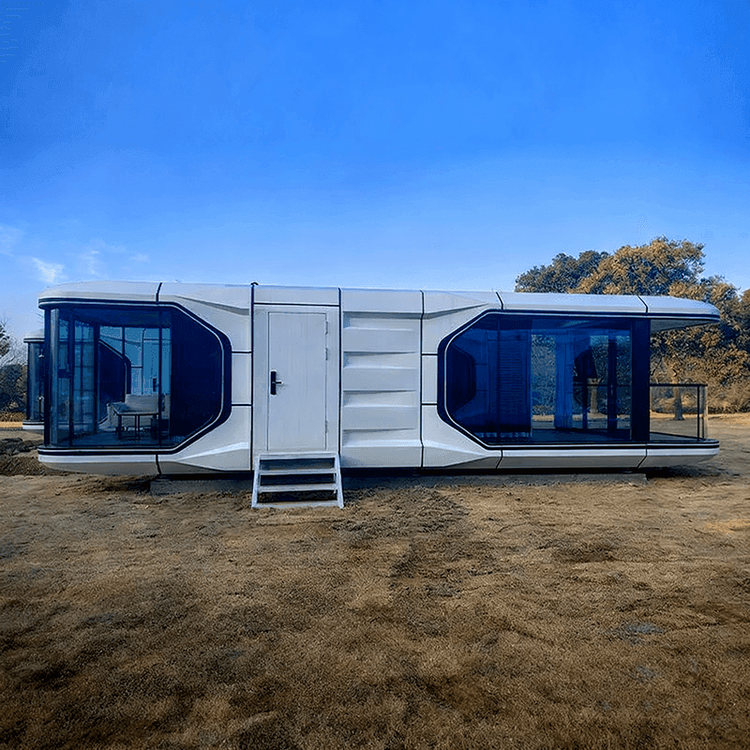
Quanzhou Ecological Mobile Toilet Rental
The rental service for ecological mobile toilets in Quanzhou is primarily aimed at scenarios where large numbers of people gather for short periods, such as major events or construction projects, providing flexible and environmentally friendly solutions for waste disposal.

Core Value and Applicable Scenarios of the Service
The core value of ecological mobile toilets lies in addressing peak and off-peak demand, such as in scenarios like concerts, sports events, rural cultural tourism activities, or construction sites. Their advantage is the ability to be flexibly deployed based on predicted foot traffic and quickly removed after the event, avoiding resource idleness. The service covers marathons, concerts, music festivals, construction sites, etc., and offers various types of mobile toilets, including those for epidemic prevention centers, portable mobile toilets, and luxury mobile toilets, supporting customized needs.
Rental Unit Configuration and Technical Features
A complete rental unit typically includes an independent fecal waste collection system, ventilation devices, storage space for cleaning supplies, and in some cases, integrated simple hand-washing facilities, forming a micro closed-loop sanitation treatment node. Technologically, odor and waste storage are controlled through the following methods:
- Biodegradable Agents: Utilize microorganisms to decompose waste, reducing odors and accelerating harmless treatment.
- Chemical Agents: Inhibit bacterial growth through disinfectants or deodorizers, maintaining environmental cleanliness.
- Physical Filtration Systems: Use activated carbon or filter screens to absorb odors, ensuring user comfort.
At the same time, the design takes into account ease of maintenance and environmental friendliness, such as using detachable structures for easy cleaning or employing biodegradable materials to reduce pollution.
Configuration Principles for Rural Cultural Tourism Activities
- Quantity Planning: Determined based on foot traffic density. For example, an event with 2,000 people is recommended to have 8-10 toilets (with a male-to-female ratio of approximately 1:1.5). The industry standard is at least 3 toilets per 500 people, with additional backups required during peak times.
- Location Layout: Set up in areas where tourists concentrate (such as parking lots or within 200 meters of the main stage), away from water source protection areas, and equipped with clear signs and barriers to guide foot traffic.
- Functional Expansion: Add accessible restrooms,母婴室 (nursing rooms), or children's dedicated stalls according to the type of event. Some scenic spots are equipped with mobile toilets with hand-washing stations.
- Dynamic Management: Check equipment status before the event, arrange for dedicated personnel to inspect and record usage during the event, and promptly deploy backup equipment or additional personnel if the queue exceeds 10 minutes.
Service Chain and Operational Support
The service covers the entire process from needs assessment, equipment transportation and installation, cleaning and maintenance, to recycling and disposal, emphasizing the timeliness and professionalism of operational response. For example, during the event, regularly clean the fecal waste tanks and replenish cleaning supplies to ensure equipment operates normally; after the event, thoroughly disinfect and recycle the equipment to avoid secondary pollution.