Quanzhou Bus Mobile Toilet
Currently, no publicly available information directly related to 'Quanzhou Bus Mobile Toilet' has been found. The following is a popular science analysis based on existing knowledge:

The term 'Quanzhou Bus Mobile Toilet' may involve two concepts: one is the mobile toilet facilities equipped on buses in the Quanzhou area, and the other is the mobile toilet service transformed with buses as carriers. The following analysis is carried out from three aspects: technical feasibility, application scenarios, and industry status.
1. Technical Feasibility
Transforming a bus into a mobile toilet requires solving core issues such as space layout, sewage storage and treatment, and ventilation and deodorization. Modern mobile toilet technology is relatively mature and can be achieved in the following ways:
- Space Optimization: Remove some seats and use the middle or rear space of the vehicle to set up independent toilet compartments. Folding or sliding doors can be used to save space.
- Sewage System: Equip with sealed sewage tanks. The capacity should be designed according to the usage scenario (for example, tourist buses can be configured according to 8 - 12 hours of usage), and they should be regularly transported to sewage treatment stations for disposal.
- Ventilation Design: Install a forced exhaust system combined with activated carbon filters or ultraviolet sterilization devices to reduce odor diffusion.
- Power Supply Solution: Use vehicle-mounted batteries or external power sources to supply power to lighting and ventilation equipment. Some high-end models can be equipped with solar panels for auxiliary power supply.
2. Application Scenarios
If such facilities exist, they may serve the following scenarios:
- Long-distance Passenger Transport: Provide passengers with toilet facilities during the journey, especially suitable for routes in remote areas or night driving scenarios.
- Tourist Chartered Buses: Meet the temporary needs of group tourists when transferring between scenic spots and enhance the service experience.
- Emergency Support: Serve as supplementary temporary public health facilities during natural disasters or large-scale events.
- Special Needs: Provide barrier-free toilet environments for the elderly, disabled people, and other groups.
3. Industry Status and Challenges
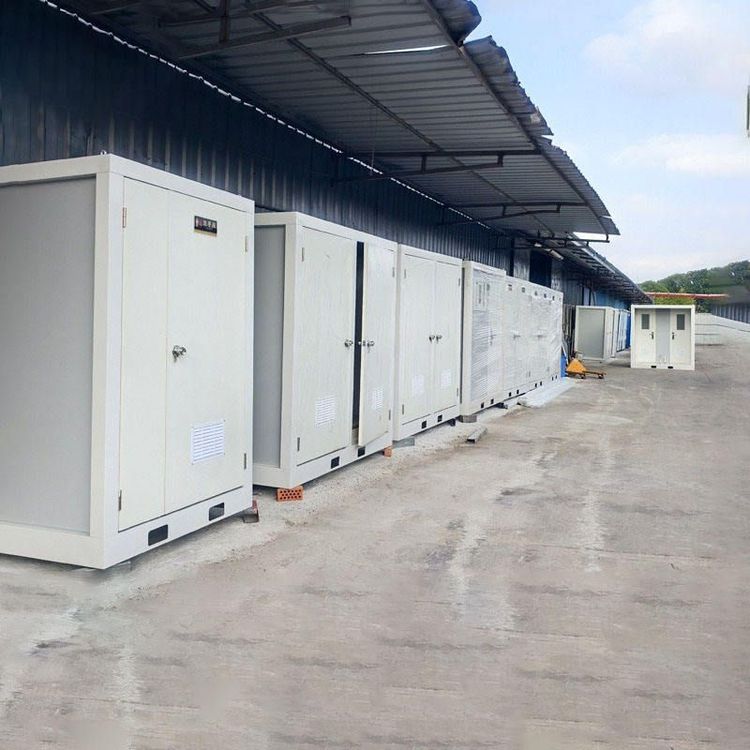
At present, the domestic mobile toilet market is mainly dominated by container-type and trailer-type mobile toilets, and vehicle-mounted mobile toilets have not yet become popular. The main reasons include:
- Cost Constraints: The transformation cost is higher than that of traditional mobile toilets, and regular maintenance of the sewage system is required, resulting in high operating costs.
- Regulatory Constraints: Vehicle modifications need to comply with road transport safety standards. Some regions may restrict the capacity of sewage tanks or the way of discharge.
- Market Demand: Ordinary passenger transport routes have a low demand for vehicle-mounted toilets, and the high-end customized tourism market has not yet formed a scale effect.
Suggestion: If you need to learn more about such facilities, you can contact local passenger transport enterprises, tourism companies, or sanitation departments in Quanzhou, or query relevant technical solutions through industry exhibitions and patent databases.