Back to blog
Article
Quannan Mobile Toilet Installation
Admin September 21, 2026
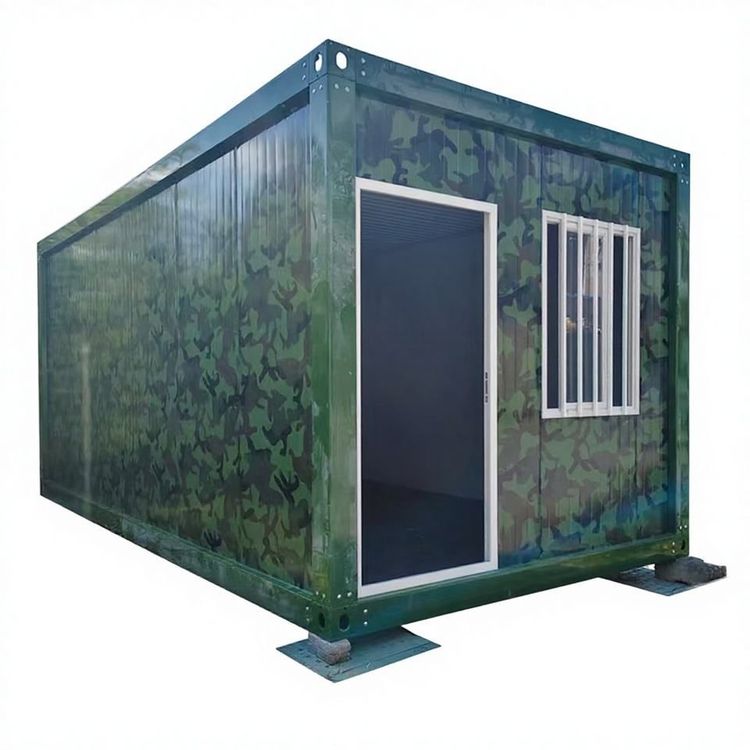
The installation of mobile toilets in Quannan should follow a simple and efficient process, with core steps including positioning, assembly, commissioning, and detail handling. The specific steps vary slightly depending on the type of toilet (split-type or integrated-type).
I. Positioning and Foundation Treatment
- Site Planning: Determine the installation location based on usage requirements, ensuring a solid ground and smooth drainage. If the ground is uneven or the soil is soft, it should be hardened in advance (e.g., by pouring concrete) or steel plates should be laid to prevent toilet tilting or damage due to foundation settlement.
- Sewage Pipe Inspection: Before installation, ensure that the sewage pipes are not blocked, especially for split-type toilets where a sewage outlet position should be reserved; for waterless or biodegradable toilets, this step can be simplified.
II. Main Structure Assembly
- Split-type Toilets:
- Chassis and Frame Positioning: Use a forklift or manual labor to place the prefabricated steel structure chassis steadily, adjust the levelness, and ensure stability.
- Wall and Roof Panel Installation: Insert the sandwich panel wall panels into the chassis slots and secure them with bolts or clips; then install the roof panels and seal them to prevent rainwater leakage.
- Internal Facility Connection: Install partitions, toilets, flushing systems (if water-flushing), sinks (optional), lighting, and ventilation equipment, and connect water and electricity pipelines (modular interfaces can shorten installation time).
- Integrated-type Toilets (e.g., Box-type Toilets):
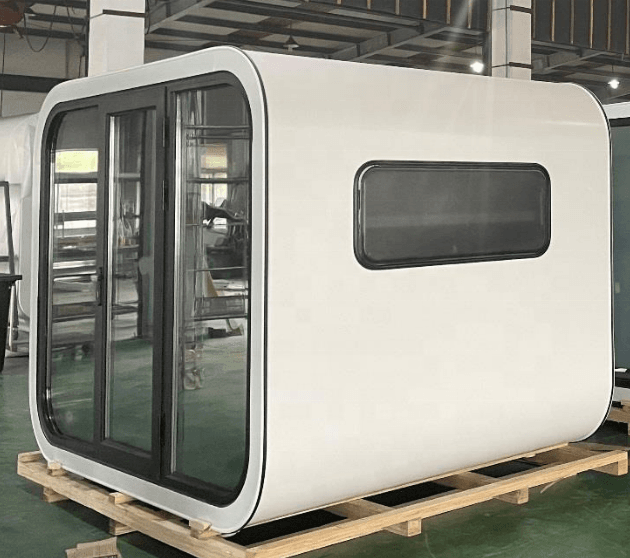
- The factory has completed interior decoration and equipment integration. On-site, it only needs to be hoisted into place and connected to water, electricity, and sewage pipes, with the overall installation time shortened to 2-4 hours.
III. Function Inspection and Commissioning
- Flush Test: Check if the flushing system is unobstructed and if the water volume meets the standard to avoid blockage or leakage.
- Circuit Inspection: Confirm that electrical equipment such as lighting and ventilation is working properly and that the wiring is securely connected.
- Seal Inspection: Focus on checking the joints of wall panels, roof panels, and sewage pipe connections to ensure no leakage.
IV. Other Installation Details (Supplementary for Split-type Toilets)
- Base and Panel Combination: Align the sewage outlet of the base with the sewage hole on the back panel and adjust for alignment.
- Panel Installation: Install the right, left, and front panels in sequence and secure them with fixing nails.
- Ventilation and Roof Installation: Install ventilation louvers at the aligned positions, secure the roof, and drive in fixing nails.
- Frame Erection: Two people are required to cooperate to erect the toilet frame to ensure structural stability.
Precautions: During installation, refer to relevant standards such as the Hygiene Code for Mobile Toilets (GB/T 21239-2023). It is recommended to contact a professional team or strictly follow the product instructions to ensure safety and compliance.