
Quality of Prefabricated Houses
The quality of prefabricated houses varies significantly depending on their type and construction method. Modern prefabricated houses offer high quality controllability, while traditional prefabricated panel houses have serious safety hazards and have been gradually phased out.
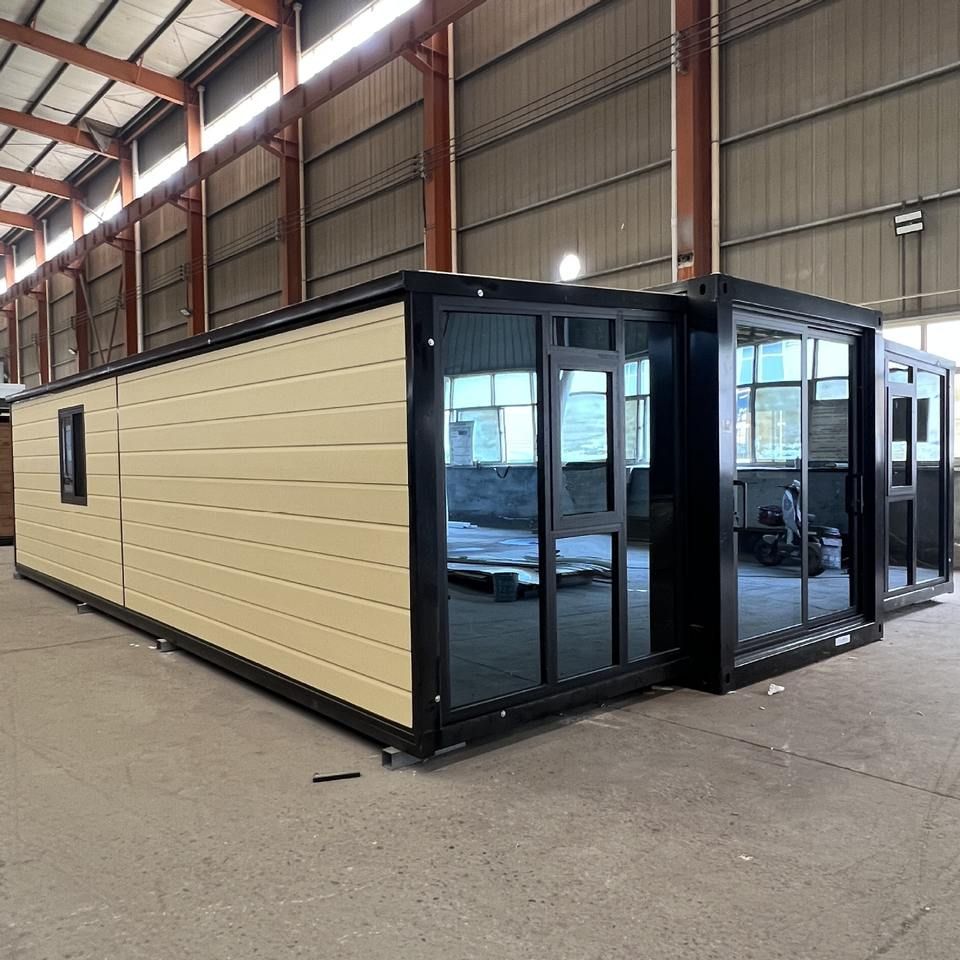
Quality Advantages of Modern Prefabricated Houses
Modern prefabricated houses, such as modular homes and reinforced concrete prefabricated houses, achieve quality standardization through factory production. Their core components are manufactured in controlled environments, with material ratios and process flows strictly adhering to specifications, reducing quality fluctuations caused by environmental and human factors in traditional on-site construction. For example, reinforced concrete prefabricated houses promoted in Henan use high-strength concrete and steel frameworks, resulting in a sturdy and reliable main structure with a design life of up to 70 years. They also feature wind, fire, and moisture resistance, making them suitable for various scenarios, including residential buildings, schools, and hospitals. Additionally, modular design allows components to be prefabricated in factories and quickly assembled, shortening construction periods and ensuring structural integrity through standardized interfaces, further enhancing quality stability.
Quality Hazards of Traditional Prefabricated Panel Houses
Early widely used cement prefabricated panel houses have multiple defects:
- Poor Earthquake Resistance: The panels are simply spliced and fixed together, with weak connection points and insufficient overall integrity, making them prone to collapse due to panel separation during earthquakes.
- Material and Process Defects: To reduce costs, some houses use substandard materials, such as low-grade cement or reduced steel reinforcement, resulting in brittle components that are prone to fracture. Improper treatment of gaps between panels can lead to cracking and water leakage, affecting durability.
- Short Lifespan and High Maintenance Costs: Traditional prefabricated panel houses typically have a design life of only about 10 years. After long-term use, structural aging accelerates, requiring frequent repairs, with overall costs much higher than those of modern buildings.
Policy Guidance and Industry Trends
Given the safety hazards of traditional prefabricated panel houses, the state has explicitly prohibited the use of prefabricated panels in the construction of commercial housing. Some regions require new buildings to adopt cast-in-place concrete structures instead to enhance earthquake resistance and structural safety. Meanwhile, modern prefabricated houses have become the mainstream direction due to their environmental protection and efficiency advantages, with their quality further guaranteed through third-party testing and full-process traceability mechanisms.
Conclusion: When choosing prefabricated houses, priority should be given to modern types that comply with national standards (such as modular homes and reinforced concrete prefabricated houses), avoiding the use of outdated traditional prefabricated panel houses to ensure building quality and residential safety.



