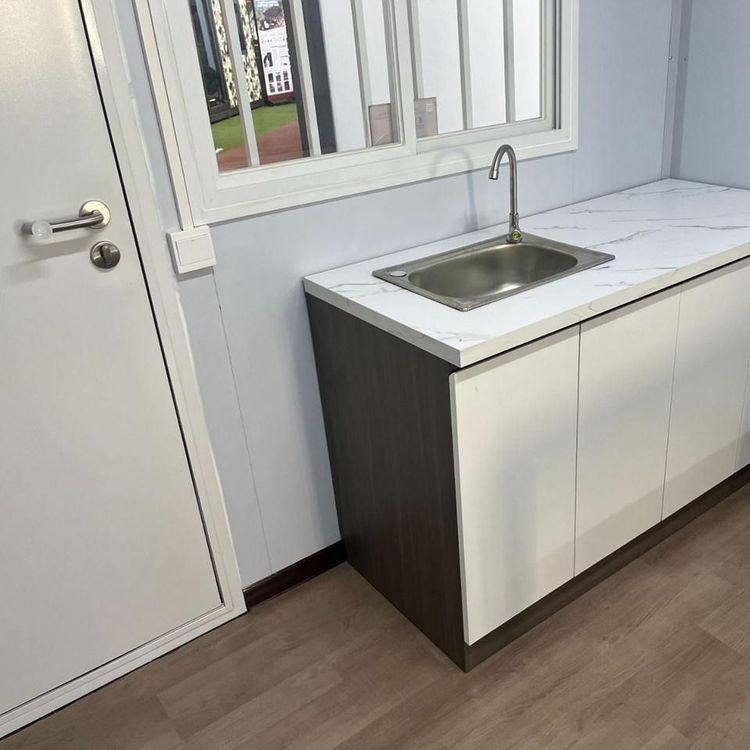
Qinshui County Mobile Toilets
Currently, no specific information on 'mobile toilets' in Qinshui County has been found, but the county has achieved remarkable results in rural toilet renovation, and relevant experience may provide a reference for the construction of mobile toilets.

Popularization and Effectiveness of Rural Toilet Renovation
Qinshui County has significantly improved sanitary conditions by systematically promoting rural toilet renovation. As of 2024, the county has planned to renovate 12,000 rural flush toilets, accounting for 80% of the total 15,000 toilet renovations, covering a wide range of areas. The renovated toilets are generally equipped with ventilation devices to reduce odors by optimizing air circulation and prevent the breeding of mosquitoes and flies, effectively improving the rural living environment. For example, 135 households in some villages have taken the lead in using new-style toilets, whose sanitary standards are close to those of urban areas, providing functional optimization directions for the design of mobile toilets, such as strengthening ventilation systems and optimizing sewage discharge structures.
'Three-Three' Mechanism and Classified Governance Strategies
Qinshui County adopts the 'three-three' mechanism (i.e., 'digesting a batch through pipeline connection, treating a batch centrally, and solving a batch separately') to promote toilet problem rectification and domestic sewage treatment. This approach has implications for the layout and management of mobile toilets.
- Digesting through Pipeline Connection: Suitable for densely populated areas, connecting to centralized treatment facilities through pipelines reduces the maintenance cost of individual toilets. If mobile toilets are deployed in similar scenarios, modular design can be considered to facilitate connection with fixed pipelines.
- Centralized Treatment: In areas such as scenic spots and temporary event venues, mobile toilets can be equipped with small-scale treatment equipment to achieve on-site sewage treatment and reduce transportation costs.
- Separate Solutions: For remote or temporary needs, mobile toilets can adopt waterless flushing, biodegradation, and other technologies to reduce dependence on infrastructure and enhance flexibility.
Technological Upgrades and Sustainability
During the toilet renovation process in Qinshui County, attention is paid to technological adaptability. For example, three-compartment septic tanks or double-urn funnel-type toilets are selected according to geological conditions to ensure treatment effectiveness. The design of mobile toilets also needs to be adapted to local conditions:
- Material Selection: Lightweight and corrosion-resistant materials are used to adapt to different climates and terrains.
- Energy Supply: In areas without power grids, solar power supply systems can be integrated to ensure the operation of ventilation, lighting, and other equipment.
- Resource Recycling: Explore paths for the resource utilization of fecal waste, such as producing organic fertilizers, and connect with the rural ecological recycling system.
Although Qinshui County has not explicitly mentioned mobile toilet projects, its large-scale experience in rural toilet renovation, classified governance strategies, and technological explorations provide a practical foundation and directional reference for the promotion of mobile toilets.