
Qingyuan Cement Prefabricated House
Qingyuan cement prefabricated houses are hoistable and assembled houses produced through prefabrication processes, with cement as the main material, featuring economic practicality and diverse functions. The following is an introduction from four aspects: product types, material structures, performance advantages, and application scenarios:
I. Product Types and Materials
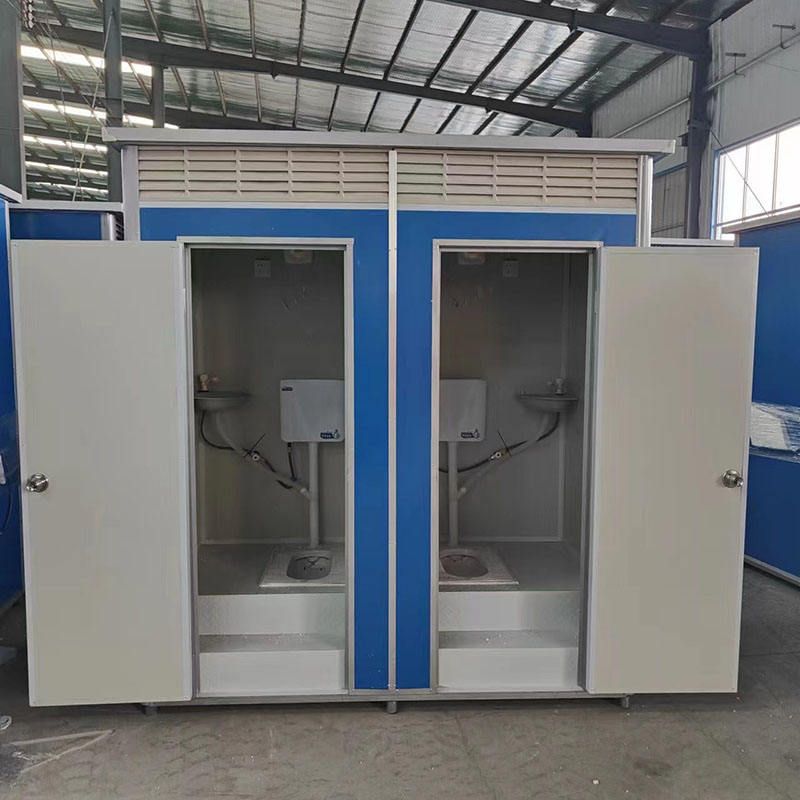
Cement prefabricated houses in the Qingyuan area mainly include types such as cement mobile houses and cement box houses. They use cement fiber boards as the primary material and are constructed through hoistable assembly methods. Their load-bearing systems are steel structures. The walls are composed of double-layer steel wire mesh, lightweight insulation materials, and high-grade cement prefabricated composite panels. The roofs are covered with machine-made cement tiles, the exterior walls have colored water-brushed finishes, and the interior walls are decorated with high-grade plastic patterned wallpapers and equipped with aluminum alloy keel gypsum board ceilings. Supporting facilities such as steel windows, steel doors, glass, and locks are complete, meeting basic living needs.
II. Structural Performance and Customization
The house structures have multiple protective performances: they can withstand snow loads up to a special-grade standard (kg/m²) and resist wind speeds of up to 8 levels (km/h), with a service life exceeding 50 years. Their specifications and sizes support customization. The mold systems are divided into first-generation, second-generation, and third-generation models, all made of national standard steel plates and processed through laser cutting and welding techniques. The third-generation molds are particularly outstanding, supporting multi-level adjustments in width and length. One mold can meet different size requirements, significantly enhancing production flexibility.
III. Core Advantages
- Economic Practicality and Usability: Low cost, easy disassembly and assembly, short construction periods, suitable for emergency project needs.
- Functional Diversity: They possess characteristics such as moisture resistance, earthquake resistance, heat insulation, sound insulation, and thermal insulation, adaptable to various uses such as offices, residences, and commercial spaces.
- Modular Design: Standard components can be freely combined, supporting multi-room connections or stacking (up to five floors), meeting different scale requirements.
- High Production Efficiency: The mold system enables the prefabrication of entire concrete houses within factories, reducing on-site construction costs, shortening work cycles, and extending mold lifespans up to 7-8 years.
IV. Typical Application Scenarios
They are widely used in areas such as large factories, project departments, office buildings, dining halls, warehouses, construction project command centers, and temporary housing on construction sites. They are particularly suitable for scenarios requiring rapid deployment or frequent relocation, such as post-disaster reconstruction and temporary construction camps.



