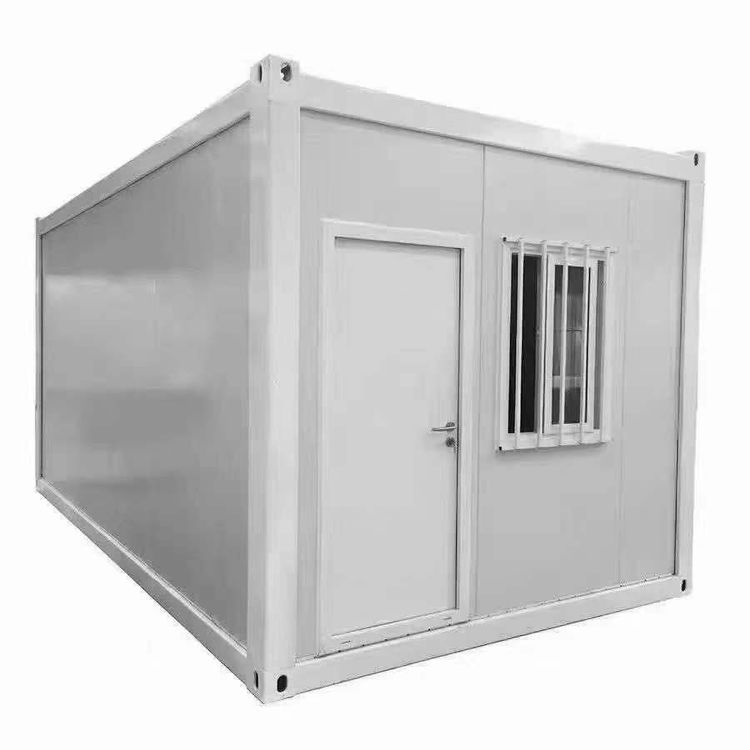
Qingyang Public Mobile Toilet
Qingyang public mobile toilets cover rental and sales services and feature intelligent technological characteristics.

I. Service Scenarios
Services related to Qingyang public mobile toilets include various types of rentals and sales, primarily targeting temporary or high-mobility scenarios such as marathons, concerts, music festivals, and construction sites. These services can quickly meet the toilet needs of large crowds through flexible deployment of mobile toilets, avoiding the limitations of long construction periods and high costs associated with traditional fixed public toilets. For example, in marathon events, mobile toilets can be dispersed along the racecourse to ensure that runners and spectators receive services within a short time. In construction site scenarios, mobile toilets can be adjusted in position according to construction progress, improving resource utilization efficiency.
II. Technological Characteristics
Intelligent Sensing and Automated Control
Mobile toilets are equipped with gas sensors for ammonia and hydrogen sulfide to monitor air quality in real time. When the odor concentration exceeds a threshold, the ventilation system automatically activates to improve the environment. Infrared or ultrasonic sensors are used to count the usage status and foot traffic in the toilet area. Data analyzed by algorithms can predict peak usage times, assisting cleaning staff in allocating resources in advance. For example, during music festivals, the system can dynamically adjust cleaning frequencies based on foot traffic data to prevent sanitation issues from accumulating.Contactless User Interaction
The facilities are equipped with guidance screens on the exterior to display toilet occupancy status in real time, reducing无效 (invalid) waiting time for users. Inside, automatic flushing, touchless handwashing, and water dispensing devices are used, eliminating the need for manual contact throughout the process and reducing the risk of cross-infection. This design is particularly important during pandemics or in scenarios with high public health requirements.Information-Based Management and Maintenance
The remaining amounts of cleaning consumables (such as hand sanitizer and toilet paper) are monitored by liquid level or weight sensors. When stock is insufficient, automatic alerts are sent to the management platform to ensure timely replenishment. The operational status of the equipment can be self-checked and abnormalities reported, such as water tank leaks or electrical faults, facilitating quick repairs. Additionally, the system can record usage data to provide a basis for subsequent layout optimization.Resource Consumption Optimization
By using water-saving fixtures (such as low-flow flush valves) and intelligently adjusting lighting and ventilation intensity, mobile toilets can dynamically adjust energy consumption based on actual usage. For example, some lighting can be automatically turned off when unused at night, and ventilation frequency can be reduced during low foot traffic periods, thereby reducing resource waste.