Qingyang Prefabricated Houses
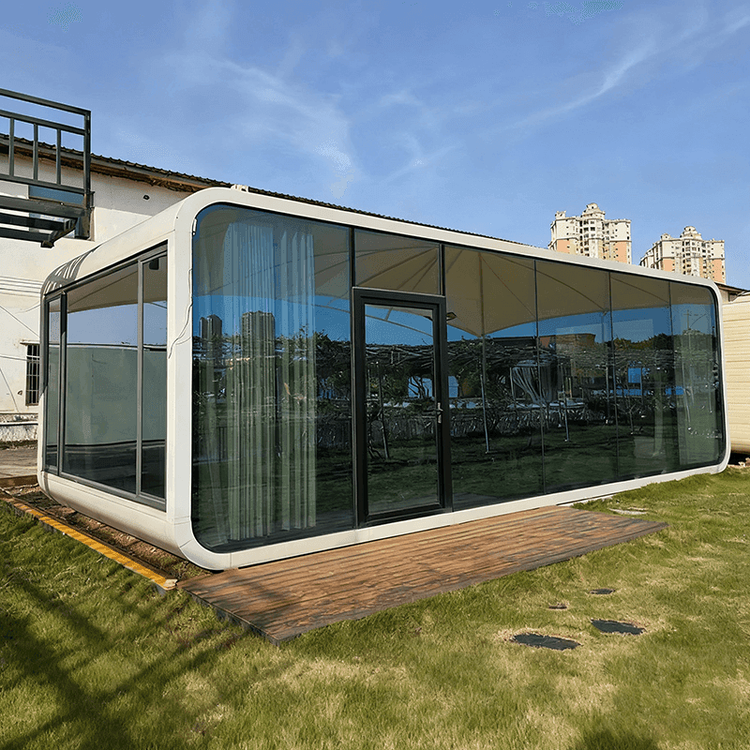
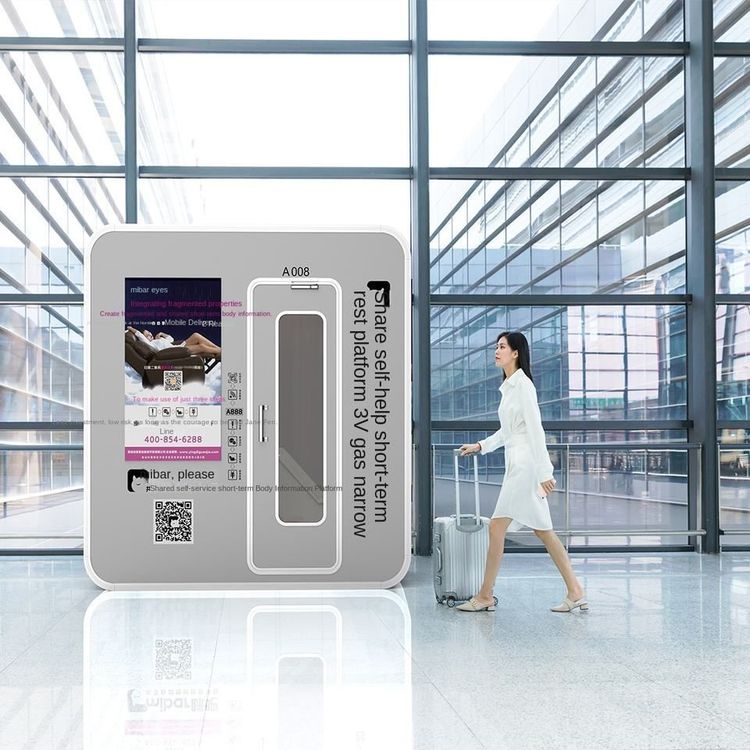
Qingyang prefabricated houses mainly adopt the factory-prefabricated and on-site-assembled model, featuring efficient construction, structural safety, environmental protection, energy efficiency, and cost-effectiveness, making them an important housing solution in the local area.
Construction Model and Efficiency
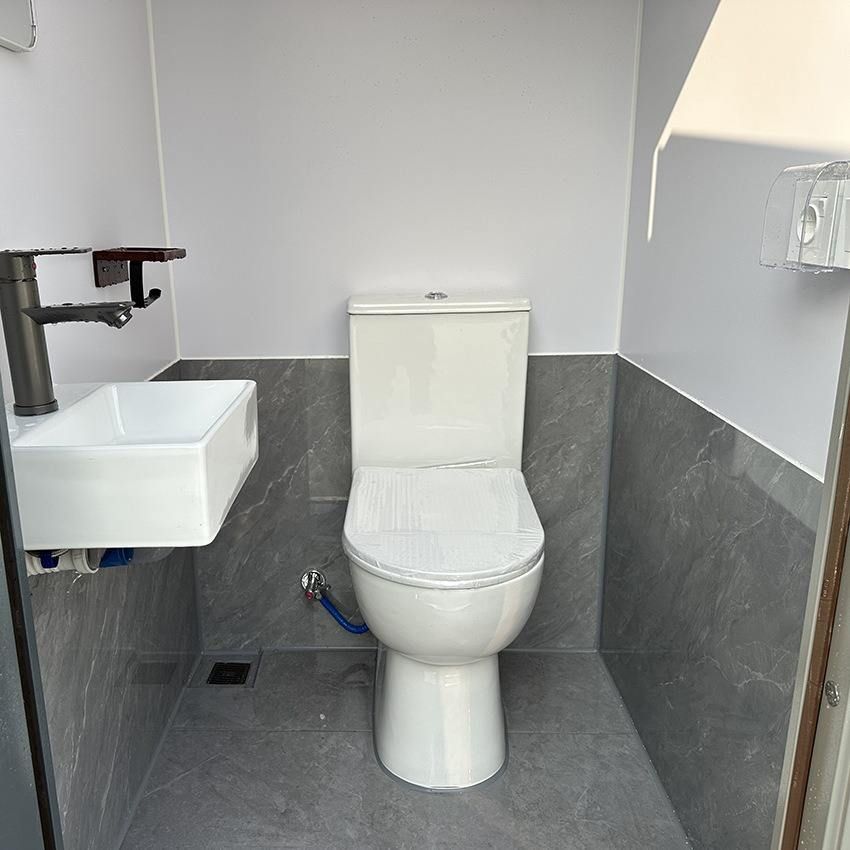
Qingyang prefabricated houses employ a factory-prefabricated and on-site-assembled construction model. This model utilizes standardized production processes to prefabricate housing components in the factory, which are then transported to the site for rapid assembly, significantly shortening the construction period. For example, while the construction of traditional brick-and-mortar houses may take several months, prefabricated houses can complete the main structural erection in just a few weeks, greatly improving construction efficiency and providing residents with a fast and convenient housing solution.
Structural Characteristics and Safety
In terms of structural design and material selection, Qingyang prefabricated houses prioritize stability and safety. The main structure is constructed using high-strength cement and high-quality steel, ensuring the durability and robustness of the houses. The structural design undergoes precise calculations and testing, providing excellent earthquake and wind resistance. For instance, in earthquake-prone areas, the frame structure of prefabricated houses can effectively disperse seismic forces, reducing structural damage and ensuring the safety of occupants. Additionally, the standardized production of prefabricated components enhances the overall quality stability of the houses.
Environmental Protection and Energy Efficiency Advantages
The factory-based production method reduces the generation of construction waste, minimizing the negative impact on the environment. Traditional on-site construction tends to produce a large amount of construction debris, whereas the components of prefabricated houses are manufactured in the factory, allowing for centralized disposal or recycling of waste. Meanwhile, by optimizing insulation and thermal design, prefabricated houses achieve efficient energy utilization, reducing living costs. For example, prefabricated houses using new insulation materials can reduce heating energy consumption in winter and lower air conditioning loads in summer, resulting in significant long-term economic benefits.
Economic and Social Benefits
Qingyang prefabricated houses have lower construction costs, long service lives, and low maintenance costs, providing residents with a cost-effective and high-quality housing option. Compared to traditional brick-and-mortar structures, the factory-based production of prefabricated houses reduces labor and material costs, while standardized design minimizes post-construction maintenance expenses. Furthermore, their widespread application promotes the upgrading and development of the local construction industry, facilitating the improvement of related industrial chains and generating positive social benefits. For example, the promotion of prefabricated houses drives the development of local building materials and transportation industries, creating more employment opportunities.