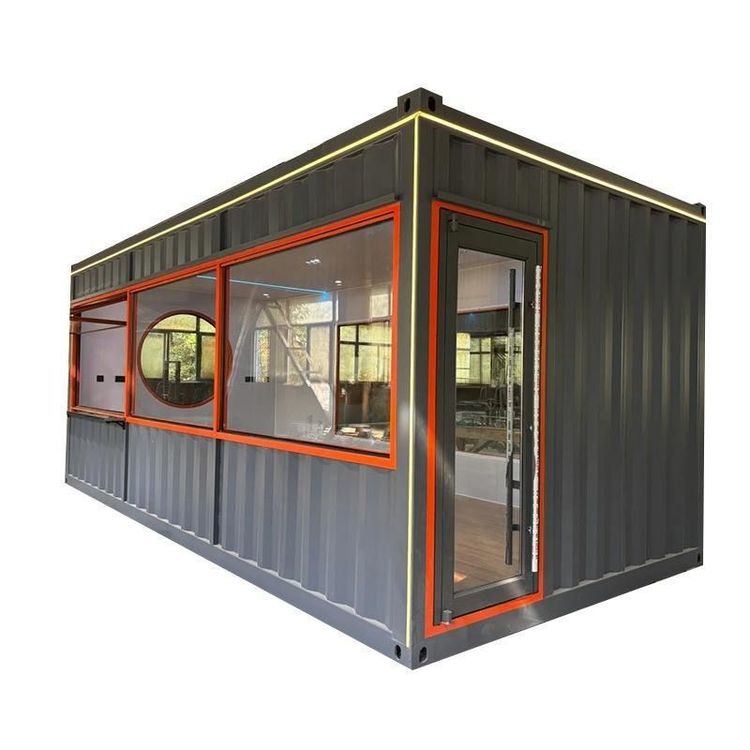
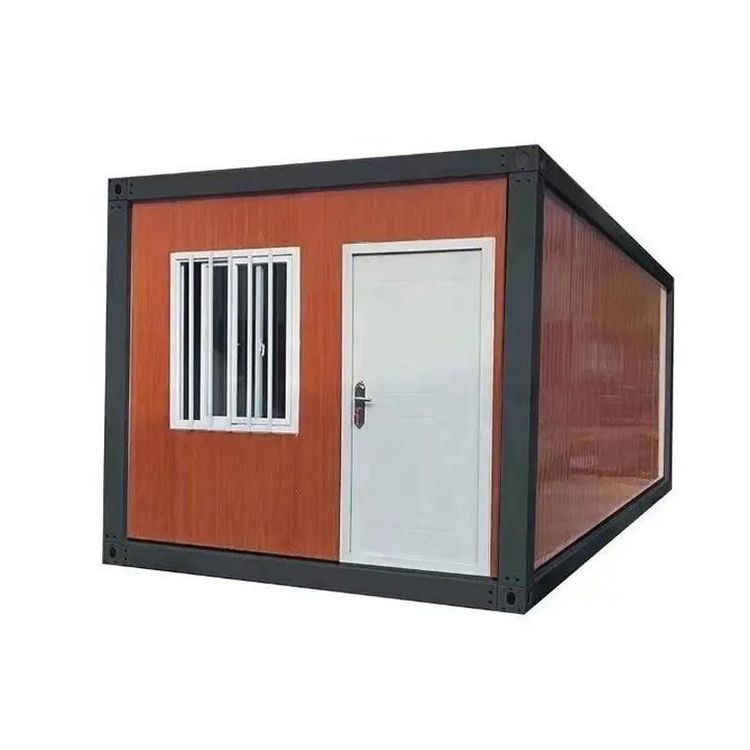
Qingji Portable Toilet
Qingji portable toilets require a combination of professional services and scientific maintenance procedures, with core aspects including cleaning methods, service selection, daily maintenance, and advantage analysis.

1. Cleaning Methods and Procedures The cleaning of portable toilets relies on professional equipment and techniques. Taking Suzhou Huaermei Environmental Protection Engineering Co., Ltd. as an example, they employ a combination of manual loosening + sealed vacuum suction trucks. First, staff loosen the fecal sewage storage tanks to prevent blockages; then, the vacuum suction trucks transport the waste to sewage treatment stations for harmless treatment (such as sedimentation, disinfection, decomposition, etc.), ensuring emissions meet environmental standards. This process is suitable for common types like flush toilets and non-flush suction toilets, effectively avoiding secondary pollution.
2. Criteria for Selecting Service Providers When choosing a cleaning service provider, three key factors should be considered:
- Qualification Certification: Verify that the service provider holds documents such as a business license and environmental protection treatment qualifications to avoid environmental risks caused by illegal operations;
- Cost Reasonableness: Negotiate prices based on the scale of the toilets and cleaning frequency to avoid hidden charges;
- Scope of Services: Clarify whether the service provider offers value-added services such as regular inspections and emergency repairs. For example, Suzhou Huaermei Environmental Protection Engineering Co., Ltd. can be contacted at 0512-65651014 for further consultation on specific plans.
3. Daily Maintenance Points The maintenance of portable toilets should consider their design features:
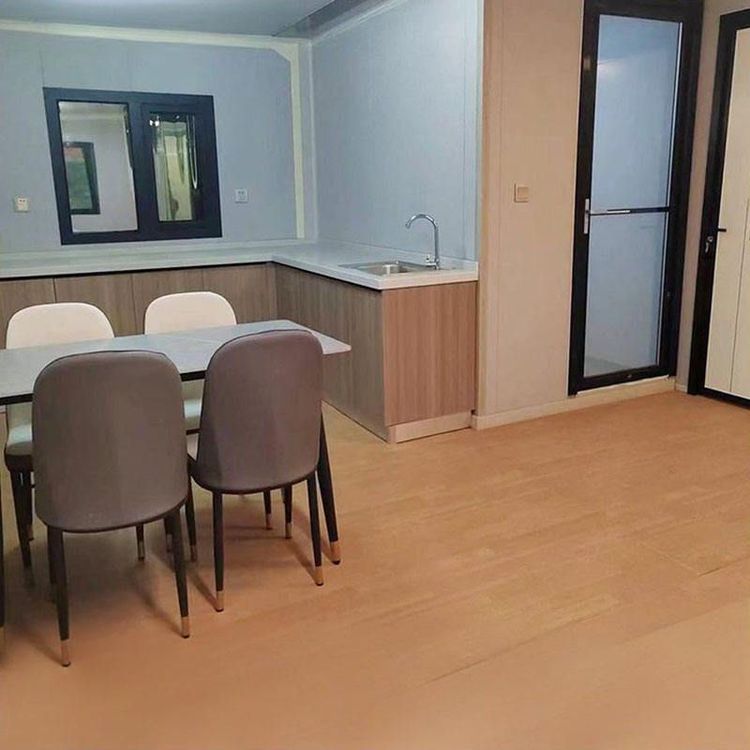
- Ease of Cleaning: The factory-prefabricated, on-site installation model reduces gaps and dead corners, requiring only wall, floor, and fixture surface wiping for daily cleaning;
- Adaptability of Treatment Methods: Choose the treatment type based on the usage scenario (e.g., dry-packing types for tourist attractions to reduce water usage, or flush toilets for temporary events to enhance comfort);
- Regular Inspections: Check the water tank level, storage tank capacity, and stability of moving parts (such as wheels and brackets) weekly to ensure proper facility operation.
4. Core Advantages of Portable Toilets
- Portability: They can be quickly deployed to areas with high visitor traffic (e.g., the use of bus-modified portable toilets at Shanxi Jinci Scenic Spot during the May Day holiday in 2026), alleviating pressure on fixed toilets;
- Environmental Friendliness: Harmless treatment reduces pollution to soil and water sources, aligning with sustainable development requirements;
- Cost-Effectiveness: They occupy only 1/3 to 1/2 of the space of fixed toilets and do not require demolition and reconstruction, saving land and construction costs.
If you require Qingji portable toilets, it is recommended to prioritize contacting professional service providers and refer to their service procedures to develop a long-term maintenance plan that balances efficiency and environmental protection needs.