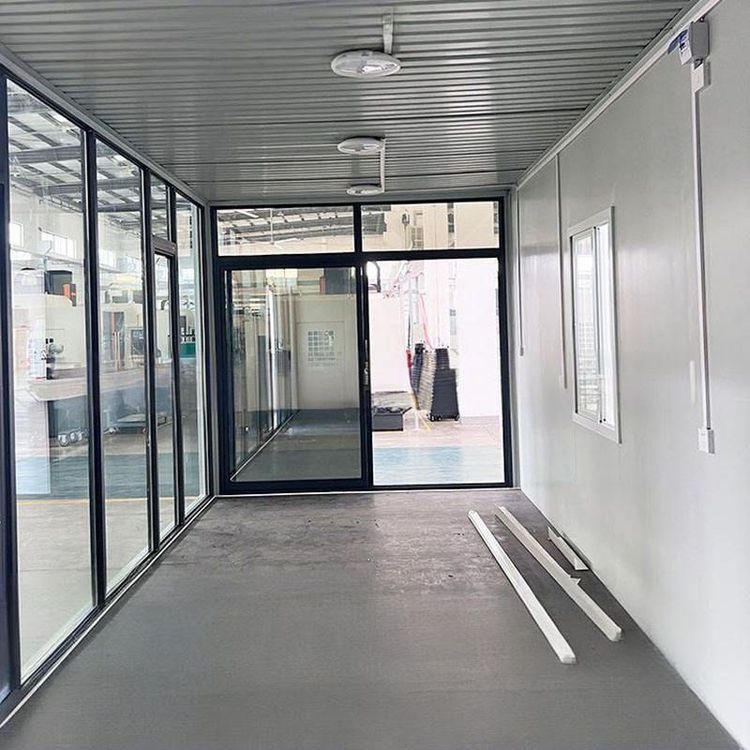
Qinghai Smart Mobile Toilet
The Qinghai Smart Mobile Toilet embodies the characteristics of technological integration, innovative user interaction, and upgraded management models, combining standardized and humanized services.

Technological Integration: Data-Driven Automated Responses
The Qinghai Smart Mobile Toilet deploys a sensor network to collect real-time physical data from the space, including concentrations of odor gases like ammonia and hydrogen sulfide in the air, as well as temperature, humidity, and foot traffic indicators. This data is transmitted via IoT modules to processing units, providing the basis for environmental control systems. For example, when odor gas concentrations exceed thresholds, ventilation equipment automatically adjusts its operating power; based on changes in foot traffic, lighting systems can dynamically adjust brightness to conserve energy. Additionally, the water resource management system monitors water usage through flow control and sensing technologies, reducing waste and achieving efficient resource utilization.
User Interaction: Transparent Information and Convenience Services
External guidance screens display real-time toilet occupancy status and internal environmental indicators (such as air quality and temperature/humidity), helping users avoid unnecessary entries and waits. Inside, convenience services like emergency assistance calls and basic item dispensing are provided, with response mechanisms connected to a central management platform to ensure user needs are promptly perceived and addressed. This design enhances the user experience, particularly for elderly and disabled individuals.
Innovative Management Model: 'Tidal Toilets' to Meet Peak Demand
Some scenic spots have introduced the 'tidal toilet' model, featuring gender-neutral universal toilet stalls and using movable signs or lockable sliding doors to dynamically adjust access permissions based on real-time foot traffic. For example, during peak hours at Qinghai's Heidushan Scenic Area, some stalls were temporarily converted to female-only use, reducing female waiting times from over 30 minutes to under 10 minutes, effectively alleviating queue issues caused by gender disparities.
Standardized and Humanized Services
Qinghai emphasizes standardized construction of tourist toilets, such as the quality improvement project in Haibei Tibetan Autonomous Prefecture, which installed handrails in toilet stalls and enhanced barrier-free facilities, third toilets, and母婴 facilities (mother-and-child facilities) to ensure the safety of special groups. These measures reflect a philosophy of refined management, combining technological integration with humanistic care to drive public toilets toward intelligence and age-friendliness.